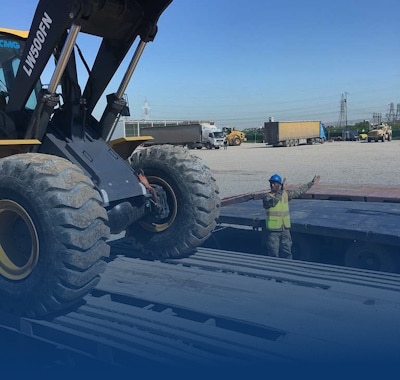
Autonomous Transport Minimizes Risks in Military Ops
Freedom Heavy Haul can offer expedited Pickup and Delivery for any size shipment anywhere in the USA. Contact us today for No Hassle, No Pressure Pricing.
The use of autonomous systems in military operations is changing how tasks are done. It brings better safety and efficiency to missions.
Autonomous transport helps a lot in making military logistics safer. It moves people and supplies safely, away from dangers on the ground.
This move to autonomous solutions makes military work safer and more effective. So, using autonomous transport is getting more important in today’s military plans.
The Evolution of Military Transport Technology
The history of military transport shows a lot of change. It has moved from manual work to using advanced autonomous systems. This change has made military work much better.
From Manual to Autonomous: A Historical Perspective
At first, soldiers did everything by hand. Then, machines came in and made things easier. Now, we have autonomous systems that work on their own.
Important moments include:
- The start of using machines in the early 1900s.
- The first autonomous ground vehicles in the late 1900s.
- Using unmanned aerial vehicles (UAVs) in the military.
Recent Breakthroughs in Military Autonomous Systems
Recently, military autonomous systems have gotten a lot better. This is thanks to new AI, sensors, and ways to talk to each other. These changes have made the systems smarter and more useful.
- They can now navigate better and avoid things.
- They make decisions faster with AI.
- They can send and get information in real time.
The Strategic Shift Toward Unmanned Vehicles
Now, we are using more unmanned vehicles. This is to make the military work better and safer. Unmanned vehicles are good because they:
- Keep people safe in dangerous places.
- Can work for a long time without getting tired.
- Can watch and gather information in real time.
This change will keep going. We will keep making these systems better. This will change how the military works and fights.
How Autonomous Transport Reduces Risk in Military Operations
Autonomous transport has changed how military risks are handled. It keeps human soldiers safe from danger. This is thanks to the use of self-driving systems.
Removing Human Operators from Dangerous Environments
Autonomous transport keeps people out of harm’s way. This is key in IED detection and disposal. Self-driving vehicles can find and clear threats without risking human lives.
IED Detection and Disposal Operations
Self-driving cars with smart sensors can find mines and IEDs. This cuts down on injuries and deaths. A military expert said, “The use of autonomous systems for IED detection has been a game-changer, significantly reducing the number of injuries and fatalities.“
Hazardous Material Transport
Autonomous transport also moves dangerous stuff safely. This includes chemicals and biological agents. It keeps soldiers safe and follows strict rules for moving dangerous goods.
Minimizing Casualties in High-Risk Zones
Autonomous systems can work in risky areas without fear of harm. This is key in places where attacks are common. It lets military work go on smoothly and safely.
Enhancing Mission Success Rates Through Automation
Autonomous transport makes missions more likely to succeed. Self-driving systems do tasks well and fast. This makes military work more reliable and successful.
Types of Autonomous Vehicles Revolutionizing Battlefield Logistics
Autonomous vehicles are changing how we move things on the battlefield. They make getting supplies faster and safer. This helps the military work better and cuts down on risks.
Unmanned Ground Vehicles (UGVs) for Supply Transport
UGVs are now used to move supplies in the military. They can go through tough places without people. This makes it safer for soldiers.
UGVs can work all the time. This makes moving supplies more efficient.
Autonomous Aerial Delivery Systems and Drones
Drones and aerial systems are changing how we send supplies. They can get to places fast and safely. Drones can carry many things, like medicine or ammo.
Drones are safer for people. They can go where it’s too dangerous for planes. They can also move quickly to meet new needs.
Naval Autonomous Systems for Maritime Operations
Naval systems are key for the Navy’s work at sea. They help with watching, finding mines, and fighting subs. They work in all kinds of water.
These systems can stay out at sea for a long time. They watch and gather info without needing people. This keeps sailors safe.
| Type of Autonomous Vehicle | Primary Use | Benefits |
|---|---|---|
| Unmanned Ground Vehicles (UGVs) | Supply Transport | Enhanced Safety, Operational Efficiency |
| Autonomous Aerial Delivery Systems and Drones | Aerial Delivery | Rapid Deployment, Risk Reduction |
| Naval Autonomous Systems | Maritime Operations | Persistence, Enhanced Surveillance |
Key Technologies Powering Military Autonomous Transport
Military autonomous transport uses smart tech to work well. These techs help vehicles move through tough places, make smart choices, and do their jobs right.
Advanced AI and Machine Learning Systems
AI and machine learning are key for military transport. They let vehicles learn, change, and get better with time. AI helps vehicles see threats and stay safe.
Sensor Integration and Environmental Awareness
Sensors are important for knowing what’s around. They help vehicles see and react to their world. This is done with:
LIDAR and Radar Systems
LIDAR and radar give vehicles exact info about their path. LIDAR uses laser light to see the world clearly. Radar finds objects and how fast they’re moving.
Computer Vision Applications
Computer vision helps vehicles understand what they see. It lets them spot things, see patterns, and make quick choices.
| Technology | Function | Benefits |
|---|---|---|
| LIDAR | Provides spatial data | Accurate navigation |
| Radar | Detects objects and velocities | Enhanced situational awareness |
| Computer Vision | Interprets visual data | Real-time decision-making |
Communication Networks and Command Systems
Good communication and command systems are key. They let vehicles and bases talk in real time. This helps make smart plans and carry out missions.
“The integration of advanced technologies in military autonomous transport is revolutionizing the way we conduct operations, enhancing efficiency, and reducing risk.”
These techs are changing military work. They make missions safer, more efficient, and successful.
Real-World Applications: Autonomous Transport in Active Combat Zones
In tough places, self-driving transport is changing the game. It’s making military work better, safer, and more effective. This is true in active combat zones.
Supply Chain Management in Contested Environments
Self-driving transport is changing how we manage supplies in hard places. Unmanned Ground Vehicles (UGVs) and Autonomous Aerial Delivery Systems help get important stuff where it needs to go fast. They go through tough spots and dangerous areas, keeping people safe.
This new way of managing supplies makes things run smoother. It also gives a big edge in military battles.
Casualty Evacuation Using Autonomous Platforms
Self-driving vehicles are saving lives by quickly getting wounded people to safety. They can get to the hurt ones fast, without risking medical teams.
“The ability to evacuate casualties quickly and safely is a significant advantage in military operations,” said General James Smith. He points out how vital self-driving systems are in today’s wars.
Success Stories from Recent Military Deployments
Autonomous transport has shown its worth in recent military missions. It’s made things run better and cut down on injuries.
Middle East Operations
In the Middle East, self-driving tech has helped manage supplies and get wounded people to safety. Its success shows how it can boost military strength.
Training Exercises and Simulations
Self-driving tech is also used in training and simulations. It helps prepare soldiers for the real challenges of war. This training is key to using self-driving systems well in action.
Overcoming Challenges in Military Autonomous Systems
Military autonomous systems are key in today’s wars. They face many challenges to work well. We need to understand these problems well.
Technical Obstacles in Unpredictable Combat Environments
Technical issues are big problems for these systems. Sensor problems, navigation failures, and communication issues can hurt their work. To fix this, developers are making these systems stronger and more flexible.
Cybersecurity Concerns and Counter-Measures
Cybersecurity is a big worry. Autonomous systems can get hacked, which is bad. To keep them safe, we use encryption and secure ways to talk.
Integration with Existing Military Infrastructure and Personnel
Getting these systems to work with old military stuff and people is hard. We need to make sure they work well together. Also, we must train military folks to use them right.
By solving these problems, the military can use these systems better. This will make things safer and more efficient in tough war situations.
The Pentagon’s Strategic Investment in Autonomous Transport
The Pentagon is making big moves in autonomous transport. This change is to make things run smoother, safer, and more successful. They’re using self-driving tech in many areas, like moving supplies and getting wounded soldiers to safety.
Current Funding Initiatives and Development Programs
The Pentagon is putting money into new transport tech. They’re working on better AI, sensors, and ways to talk to each other. For example, the Defense Advanced Research Projects Agency (DARPA) is working on self-driving systems for tough places. Here’s a quick look at what they’re funding:
| Program Name | Focus Area | Funding Allocation |
|---|---|---|
| DARPA Autonomous Systems | AI and Sensor Integration | $100 million |
| Army’s Autonomous Ground Vehicles | UGV Development | $50 million |
| Naval Autonomous Systems | Maritime Operations | $75 million |
Military-Industry Partnerships Driving Innovation
Partnerships between the military and companies are key to new tech. Firms like Lockheed Martin and Northrop Grumman are teaming up with the Pentagon. Together, they’re making the military’s tech better and faster to use.
Navigating Ethical Considerations in Autonomous Military Transport
Autonomous military transport is changing how armies work. But it brings big ethical worries. As armies start using these systems, they face a tough ethical challenge. They must make sure these technologies are used right.
Decision-Making Authority and Human Oversight
One big worry is who makes decisions and who watches over these systems. These systems can be controlled by humans or work on their own. It’s a big debate about how much humans should watch over them.
It’s important to have enough human oversight to avoid bad outcomes. This means finding the right balance between tech and rules. It also means making policies for when humans should step in.
Finding the right balance is hard. More autonomy can make things safer and faster. But it also makes us worry about who’s in charge and if they’re making good choices.
International Regulations and Rules of Engagement
Another big issue is making rules for using these systems worldwide. As they get more common, we need clear rules for everyone. These rules should cover what’s okay to do, how to handle problems, and how to act in fights.
Creating these rules needs countries to work together. It’s hard because everyone has different views. But, we need common rules to make sure these systems are used right and follow the law.
Beyond Risk Reduction: Additional Strategic Advantages
Autonomous transport in the military does more than just cut down risks. It brings many benefits that make operations better. These advantages go beyond just reducing risks, making military work more effective in many ways.
Operational Efficiency and Resource Optimization
Autonomous transport systems make things run smoother. They help with moving goods and people around. This means military teams can use their resources better, get things done faster, and respond quicker.
This is very important in fast-changing battle scenes. Quick support is key to success.
Enhanced Intelligence Gathering and Reconnaissance Capabilities
Autonomous vehicles come with top-notch sensors and spy gear. They help gather more and better information. This includes data on enemy locations, the ground, and other important stuff.
This info is crucial for making smart choices and planning ahead. It helps leaders make better decisions.
Autonomous Transport: Shaping the Future of Military Operations
Autonomous transport is changing how the military works. It makes them work better, safer, and more effective. Autonomous vehicles take people out of danger, cutting down on injuries and improving success.
The future of military work will be shaped by new tech. The Pentagon is investing in this tech. It’s working with companies to make it better.
Autonomous systems will help the military work more precisely and flexibly. It will change how they manage supplies and gather intel. Its growth is key to the military’s future.
FAQ
What is autonomous transport in military operations?
Autonomous transport in military operations uses unmanned vehicles. These include drones, UGVs, and naval systems. They carry supplies, people, and equipment without a human driver.
How does autonomous transport minimize risks in military operations?
It makes operations safer by keeping humans out of danger. This lowers the chance of getting hurt. It also helps missions succeed better because of automation.
What are the benefits of using UGVs for supply transport?
UGVs make things safer and cut down on risks. They also make things more efficient. This lets soldiers focus on important tasks.
What role does AI play in military autonomous transport?
AI is key for military transport. It helps vehicles move through tough places. It also spots obstacles and makes quick decisions.
How do autonomous aerial delivery systems and drones contribute to military operations?
Drones and aerial systems help a lot. They move things fast and safely. They also gather important information and do reconnaissance.
What are the cybersecurity concerns associated with military autonomous systems?
There’s a big worry about hacking and data breaches. But, strong security can help keep systems safe.
How are international regulations and rules of engagement impacting the development of autonomous military transport?
Rules are changing to handle the new tech. It’s important to think about ethics, laws, and how it works.
What is the Pentagon’s role in advancing autonomous transport technology?
The Pentagon is helping by funding and supporting research. This pushes innovation and teamwork with companies.
How will autonomous transport shape the future of military operations?
It will change things a lot. It will make operations better, safer, and more efficient. It will also bring new ways to gather information.