Expert Guide: What to Know Before Shipping a Skid Steer Loader
Freedom Heavy Haul can offer expedited Pickup and Delivery for any size shipment anywhere in the USA. Contact us today for No Hassle, No Pressure Pricing.
Moving heavy equipment like a skid steer loader presents unique challenges. These versatile machines are essential on construction sites and farms. Their compact design belies a significant weight, often reaching 7,500 pounds.
Transporting such valuable construction equipment requires careful planning. Public roads are not suitable for these powerful vehicles. That’s why professional transport services are the standard solution.
We provide expert guidance for a successful equipment shipping experience. Our comprehensive guide covers every critical step. You will gain the knowledge needed for a smooth process.
Understanding transport timelines is crucial. Domestic moves within the continental United States typically take 7 to 10 business days. Costs for international transport can vary widely, from $2,000 to $5,000.
With approximately 95% of domestic moves handled by trucking companies, selecting the right partner is vital. We help you navigate preparation, documentation, and logistics. Our goal is your complete confidence.
Preparing Your Skid Steer Loader for Shipping
The journey of your valuable construction machinery begins long before the transport vehicle arrives. We recommend a systematic approach to preparation that ensures complete safety and compliance. This process protects your investment throughout the relocation.
Assessing Specifications and Current State
Accurate weight and dimension measurements are absolutely essential. The average unit weighs approximately 7,500 pounds, but your specific model may vary significantly. Obtain precise figures from manufacturer specifications or certified scales.
Conduct a thorough inspection of all parts and components. Document the current condition with detailed photographs from multiple angles. This creates an important record that protects your interests.
- Check hydraulic hoses for brittleness or leaks
- Inspect welds for any visible cracks
- Ensure all fasteners, pins, and bolts remain securely tightened
Cleaning and Fluid Management Procedures
Thorough cleaning removes dirt, mud, and debris that could contaminate other cargo. This step is particularly important for international moves with strict regulations. A clean surface also makes damage more visible during inspection.
Draining fluids including fuel, oil, and hydraulic fluid prevents dangerous spills during transit. This preparation step complies with safety regulations and reduces environmental risks. Always follow proper disposal procedures for these substances.
| Preparation Step | Key Benefit | Special Considerations |
|---|---|---|
| Weight Verification | Accurate Transport Planning | Use certified scales for precision |
| Fluid Drainage | Spill Prevention | Check international regulations |
| Component Inspection | Damage Identification | Photograph all angles |
Remove or secure all detachable components and accessories. Taking out batteries eliminates electrical issues and provides more accurate weight calculations. These steps complete the essential preparation process for your valuable machinery.
Understanding Heavy Equipment Transport Options
We provide comprehensive transport options designed to meet the specific needs of your valuable machinery. The right choice depends on multiple factors including budget, distance, and required protection levels.
Flatbed vs. Enclosed Trailers
Flatbed trailers offer the most common solution for equipment transport. These open-air vehicles provide excellent accessibility for loading and unloading heavy loads. They represent a cost-effective choice for shorter distances.
Enclosed trailers deliver superior protection for your cargo. Over 80% of skid steers travel this way for added security. We recommend this method for long-distance moves or high-value construction equipment.
Lowboy and RGN trailers accommodate larger loads with lower deck heights. Each trailer type serves distinct purposes in the transportation chain.
International Shipping Considerations
International equipment transport requires specialized planning. Container shipping protects your machinery during sea transit. This method also simplifies customs clearance procedures.
Costs for international moves typically range from $2,000 to $5,000. The final price depends on destination distance and logistics complexity. Proper documentation ensures smooth border crossings.
We handle all international shipping requirements with precision. Our expertise guarantees your equipment reaches its destination securely.
What to Know Before Shipping a Skid Steer Loader
Safety protocols form the foundation of every successful heavy equipment transport operation. We prioritize protective measures that safeguard your investment throughout the entire process. Proper planning prevents complications during equipment shipping.
Key Safety Precautions and Best Practices
Domestic transportation typically requires 7 to 10 business days for completion. Approximately 95% of these moves utilize professional trucking companies. This statistic highlights the importance of experienced handling.
Operator certification represents a critical safety requirement. Only trained personnel should load and secure your machinery. Comprehensive pre-transport inspections identify potential issues early.
Personal protective equipment is mandatory for all handlers. This includes hard hats, safety glasses, and steel-toed boots. Proper restraint systems must be engaged before transit begins.
We recommend consulting with specialized equipment shipping experts. Their knowledge ensures compliance with industry standards. Professional guidance streamlines the entire transportation process.
Thorough preparation and certified handling prevent 90% of transport-related incidents.
Coordination between preparation, documentation, and loading ensures smooth delivery. Each phase requires careful attention to safety procedures. This systematic approach protects your valuable construction assets.
Securing Equipment and Attachments for Safe Transit
Proper securing is the final, critical step before your machinery hits the road. We ensure every piece of equipment is immobilized to withstand the forces of transit. This process protects your valuable investment and guarantees public safety.
Proper Tie-Down Procedures and Anchor Points
Always use heavy-duty chains or straps rated for your equipment’s total weight. Connect these directly to the manufacturer-designated anchor points on your machinery. These reinforced points are engineered to handle the stress of transport.
The total working load limit for all tie-downs must equal at least 50% of the cargo’s weight. This requirement prevents dangerous movement during transit. For a standard unit, we recommend a minimum of four heavy-duty chains.
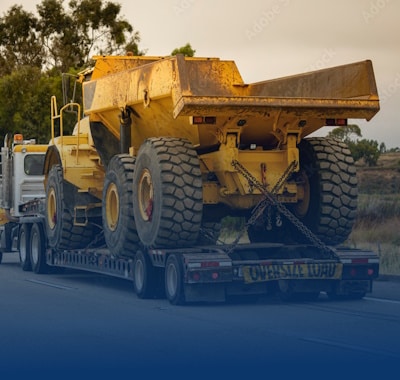
Position your tie-downs at approximately 45-degree angles toward the trailer deck. This optimal angle counters forward, backward, and sideways shifts. Crossing chains in an “X” pattern adds stability and prevents twisting.
| Tie-Down Component | Purpose | Best Practice |
|---|---|---|
| Heavy-Duty Chains | Primary Restraint | Rated for full vehicle weight |
| Anchor Points | Secure Attachment | Use manufacturer-reinforced locations only |
| Edge Protectors | Prevent Damage | Place where chains contact sharp edges |
Tighten all binders and ratchets until the equipment is completely immobile. Apply edge protectors wherever chains contact sharp corners. This simple step prevents damage to both your equipment and the securing materials.
Inspect all anchor points and chains after the first few miles of travel. Periodic checks throughout the journey ensure continued security. Properly secured attachments prevent shifting during loading and unloading.
Navigating Shipping Procedures and Documentation
Accurate paperwork forms the backbone of every successful equipment relocation. We manage these critical details with precision, ensuring full compliance and protection for your assets. Our systematic approach covers every requirement.
Bill of Lading and Insurance Requirements
The bill of lading acts as your primary contract. This document details the condition of your machinery, pickup location, and final destination. Complete it meticulously before transit begins.
Insurance requirements safeguard your investment against potential loss. Verify that coverage limits match the actual value of your construction equipment. Understand all policy circumstances for complete peace of mind.
Permits and Customs for International Moves
International transportation demands additional preparation. Each country has specific customs regulations that must be followed. Our team secures all necessary permits and documentation.
We coordinate communication between all parties involved. This includes shipping companies, customs brokers, and regulatory authorities. Proper procedures prevent costly delays and ensure legal compliance.
| Document Type | Primary Function | Key Consideration |
|---|---|---|
| Bill of Lading | Legal Contract | Detail equipment condition accurately |
| Insurance Certificate | Financial Protection | Match coverage to equipment value |
| Customs Documentation | International Compliance | Varies by destination country |
| Transport Permits | Legal Authorization | Required for oversized loads |
Keep copies of all paperwork for your records. This includes inspection reports, insurance certificates, and permits. Thorough documentation provides clear accountability throughout the entire process.
Tips for a Smooth Heavy Equipment Transport Experience
The efficiency of your machinery delivery hinges on meticulous route analysis and scheduling. We dedicate significant attention to this critical planning phase. Proper coordination prevents costly delays and ensures your construction equipment arrives exactly when needed.
Planning the Route and Scheduling
Careful route planning is essential for smooth heavy equipment transport. We analyze your specific transport route before departure, identifying potential challenges like low bridges and construction zones. This proactive approach minimizes delays on the road.
Proper scheduling accounts for distance, expected transit time, and site access hours. Route selection considers road conditions, traffic patterns, and weather forecasts. We coordinate pickup and delivery times that align with your project timeline.
Weight distribution planning places heavier machines toward the front of the trailer. This positioning maintains proper tongue weight and prevents dangerous sway. Professional truck drivers maintain safe speeds and adequate following distances.
Clear communication between transport companies and your team ensures everyone understands timing expectations. We monitor conditions along the entire route and adjust schedules when necessary. This coordination guarantees your loader arrives safely and on schedule.
Final Steps for a Successful Equipment Shipping Journey
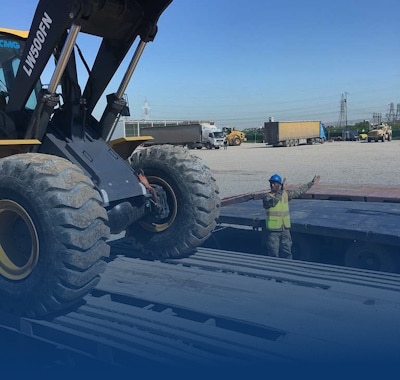
The arrival of your construction equipment marks the culmination of a carefully planned transport process. We coordinate safe unloading using appropriate ramps or cranes based on your machinery’s specifications and site conditions.
Conduct a thorough inspection immediately upon delivery. Compare the machine’s condition against your pre-shipping documentation, noting any new damage on the delivery receipt. Document concerns with photographs for insurance claims.
Verify all attachments and parts are accounted for and functional. Test hydraulic systems, steering, and electrical components before signing acceptance documents. International shipments require proper customs clearance.
Remove securing chains carefully, inspecting anchor points for stress. Clean accumulated debris from transit. Proper maintenance ensures your valuable assets remain productive for years.
We handle every critical step with precision, from preparation to final delivery. Your complete satisfaction remains our ultimate goal throughout the equipment shipping journey.
FAQ
How should we prepare our skid steer loader for transport?
We recommend assessing the machine’s weight, dimensions, and overall condition first. Clean all surfaces thoroughly and drain fluids to prevent leaks. Secure all attachments and moving parts to avoid damage during transit.
What are the differences between flatbed and enclosed trailers for equipment shipping?
Flatbed trailers offer easy loading and are cost-effective for short distances. Enclosed trailers provide superior protection from weather and road debris, ideal for valuable machinery or longer hauls.
What safety precautions are essential for heavy equipment transport?
A> Properly rated tie-downs and secure anchor points are critical. Always verify the total vehicle weight and distribute loads evenly. Our team follows strict protocols to ensure safe movement from your site to the destination.
What documentation is required for shipping construction equipment?
You’ll need a bill of lading, proof of insurance, and any necessary permits. For international moves, customs documentation is also required. We handle all paperwork to streamline the process.
How do you secure attachments and parts during transit?
A> We use industry-approved chains, straps, and binders to fasten all components. Each attachment point is double-checked to prevent shifting. This attention to detail protects your investment throughout the transportation journey.
What factors affect the cost of heavy hauling services?
Distance, equipment size, and transport requirements influence pricing. Additional services like expedited shipping or specialized permits may increase costs. We provide transparent quotes with no hidden fees.
How far in advance should we schedule equipment shipping?
Plan ahead whenever possible. For domestic moves, book at least one week in advance. International shipments require more time for logistics coordination. Early communication ensures we meet your timeline.
What makes your heavy equipment transport service reliable?
Our experienced drivers, modern fleet, and adherence to safety standards set us apart. We maintain constant communication and handle each machine with expert care. Your construction equipment arrives safely and on schedule.