Heavy Haul Equipment Maintenance for Extreme Temperatures
Freedom Heavy Haul can offer expedited Pickup and Delivery for any size shipment anywhere in the USA. Contact us today for No Hassle, No Pressure Pricing.
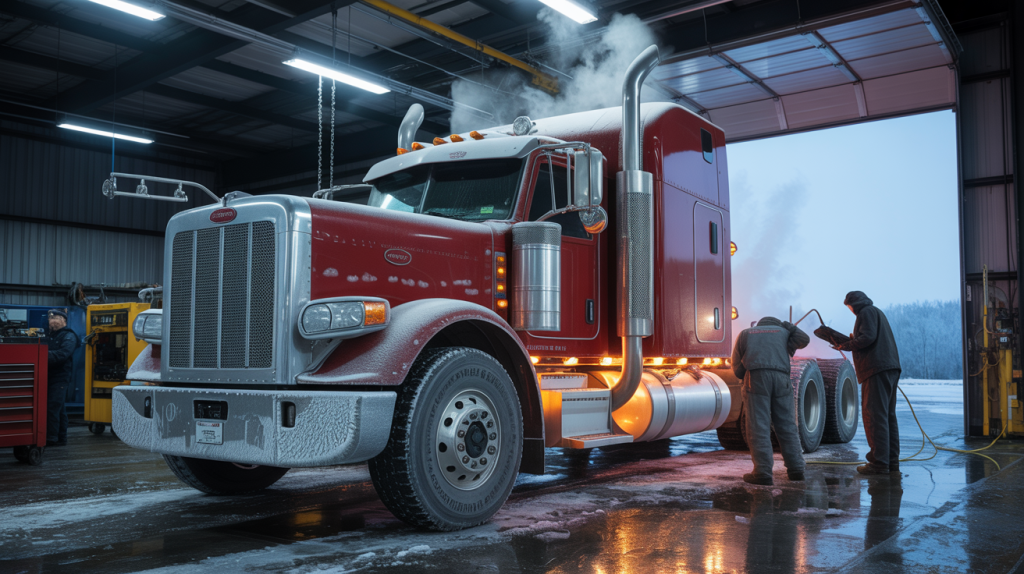
Extreme temperatures don’t “add a little stress” to heavy haul equipment, they change how metal, rubber, fluids, batteries, and air systems behave. Cold tightens tolerances, thickens fluids, and freezes moisture. Heat thins lubricants, accelerates wear, and pushes cooling systems to their limits. Either way, the result is the same: what felt reliable yesterday can become a failure point today.
This guide lays out a maintenance approach that treats temperature as a real operating condition, not a seasonal inconvenience. Think of it as building a truck-and-trailer setup that stays predictable whether you’re staging in sub-zero weather or crawling through scorching summer grades.
Why temperature extremes hit heavy haul harder than “normal” trucking
Heavy haul operations amplify temperature problems because:
- Loads are heavier, so brakes, driveline, hubs, and tires carry more heat and stress.
- Routes often include long grades, low-speed maneuvering, and complex staging, which raises thermal load on systems.
- A breakdown can be harder to recover from because an oversized configuration is not easy to tow or reposition.
That’s why maintenance for extreme temperatures is not a “shop checklist” only. It’s part of how you run the entire operation, the same way you’d standardize your safety and compliance process so decisions stay consistent under pressure.
Layer 1: Fluids that behave differently in cold and heat
Fluids are the first place extreme temperatures reveal weakness, because fluids are always moving, always under pressure, and always reacting.
Engine oil and viscosity management
- In cold weather, oil thickens and takes longer to circulate, which increases wear at startup.
- In hot weather, oil thins and loses protective film strength, especially under high load and high RPM.
Maintenance habit: choose oil specifications based on your operating region and duty cycle, then stick to more conservative change intervals when temperatures stay extreme for weeks.
Coolant isn’t just “green liquid”
Coolant protects against freezing and boil-over, but it also defends against corrosion inside the system.
- Too weak and you risk freezing.
- Too strong and heat transfer efficiency can drop.
Maintenance habit: test coolant strength and condition, not just the level.
Fuel system temperature issues
- Cold increases risk of fuel gelling and filter plugging.
- Heat can worsen contamination problems and accelerate filter loading.
Maintenance habit: treat fuel quality as a maintenance variable, not a purchasing detail.
Layer 2: Cooling system and airflow are your summer survival kit
Heat rarely kills an engine instantly. It usually kills it slowly by weakening hoses, stressing seals, and pushing temperatures beyond what the system can shed.
Radiator, CAC, and airflow discipline
Dust, bugs, and debris reduce airflow and heat exchange.
- Clean radiators and charge air coolers on a schedule during hot months.
- Inspect fan clutches, shrouds, and belts like your next job depends on it, because it does.
Pressure and hose integrity
A tired hose might survive mild weather but fail in heat.
- Check for soft spots, swelling, and clamp fatigue.
- Replace suspicious components before peak season.
Operational tie-in: if your route includes long grades, high ambient temps, and slow movement through construction zones, that’s not just routingit’s thermal strategy. The same thinking used in advanced route optimization also applies to controlling engine and brake temperatures by choosing better timing, staging, and terrain.
Layer 3: Batteries, electrical, and cold-start reliability
Cold attacks electrical systems in a very direct way: batteries produce less power, and engines demand more power to crank.
Battery and charging system checks
- Load-test batteries before winter, not during winter.
- Inspect grounds and connections; corrosion becomes “invisible sabotage.”
- Confirm alternator output under real load.
Block heaters and starting aids
Block heaters are not a luxury in deep cold, they’re a wear reduction tool.
- Confirm heaters actually warm the engine (don’t assume).
- Protect cords and connectors like critical equipment.
If you’re staging overnight for a complex move, temperature-readiness should be treated like a project planning step, similar to how simulation planning helps teams anticipate what could go wrong before they are committed.
Layer 4: Air systems, brake moisture, and temperature-driven failures
Air systems are famous for “acting fine” until cold weather arrives.
Moisture management is winter brake insurance
Moisture freezes, and frozen moisture creates unpredictable braking.
- Drain tanks more often in cold periods.
- Verify air dryer performance and service intervals.
- Watch for slow pressure build or strange valve behavior.
Brake heat is a summer and mountain problem
In heat and on long grades, brake temperatures rise fast.
- Inspect linings, drums, and rotors before high-heat seasons.
- Monitor hub and brake temps as part of stop routines.
This is also where standards matter. Some operations “wing it” on brake limits and inspection routines, but a structured view like a critical review of safety standards helps you define what “acceptable” should mean when conditions are harsh.
Layer 5: Tires, hubs, suspension, and the parts that quietly fail
Extreme temperatures don’t just affect engines. They affect everything that carries weight and absorbs road shock.
Tires in heat and cold
- Cold reduces flexibility and can reduce traction.
- Heat increases blowout risk, especially if pressure, load rating, or speed isn’t right.
Maintenance habit: inspect sidewalls, check tread, and confirm pressure based on temperature, not yesterday’s reading.
Hubs, bearings, and grease
Heat breaks down lubricants faster. Cold can stiffen grease and hide problems until movement starts.
- Use routine temperature checks during stops.
- Look for leaks and unusual smells, small signs in harsh conditions are big warnings.
Suspension and air bags
Rubber parts and bushings age faster under heat, and cold can make them brittle.
- Inspect air bags for cracks and rubbing points.
- Check mounting hardware and alignment wear patterns.
Securement and temperature: yes, it matters
Temperature changes can affect strap tension and hardware behavior, and extreme conditions create more vibration and surface hazards.
A good habit is to treat securement as a living system:
- check early, re-check after the first segment
- look for shifting, rubbing, or tension loss
- confirm edge protection points are still seated correctly
For deeper securement fundamentals, the practical guide in this flatbed securement article pairs well with temperature-aware maintenance because a mechanically perfect setup still fails if the load starts moving.
A simple “Extreme Temperature Maintenance Plan” you can actually follow
Before the season changes (pre-winter or pre-summer)
- service coolant, test strength and condition
- inspect hoses, belts, clamps, fan clutch, and airflow surfaces
- load-test batteries and check charging system
- service air dryer and drain tanks aggressively
- inspect brakes and hubs for wear trends
- review tire condition and match specs to duty cycle
During extreme weeks (daily/weekly discipline)
- confirm fluid levels with temperature awareness
- perform visual checks for leaks and cracked rubber components
- monitor hub and brake temps during stops
- clean cooling surfaces more often in heat
- drain air tanks more frequently in cold
- keep a “small issues” log so patterns appear before failures
After extreme season (post-stress cleanup)
- schedule inspections that assume hidden wear exists
- replace borderline components before the next peak
- document failures and near-misses so the plan improves
Conclusion
Heavy haul equipment maintenance for extreme temperatures is about controlling reality, not fighting surprises. Cold changes how fluids flow, how batteries perform, and how moisture behaves in air systems. Heat accelerates wear, weakens cooling capacity, and punishes brakes, hubs, and tires under load. When your maintenance plan treats temperature as a core operating variable, and ties it into safety, routing, and inspection discipline, you get fewer breakdowns, fewer delays, and a calmer operation that performs consistently when conditions are at their worst.