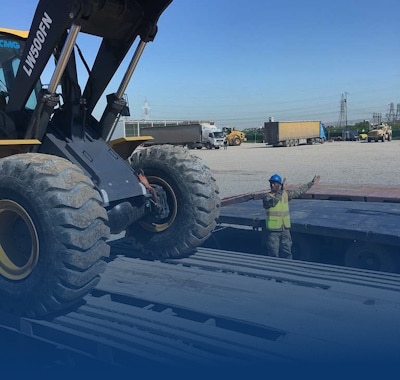
How AI Coordinates Massive Earthmoving Fleets
Freedom Heavy Haul can offer expedited Pickup and Delivery for any size shipment anywhere in the USA. Contact us today for No Hassle, No Pressure Pricing.
The construction and mining industries are changing fast. Machine learning and AI in earthmoving are making a big difference. They help manage fleet management better, making things more efficient and productive.
AI systems can look at lots of data. They make earthmoving equipment work better. This means lower costs and safer work places. It’s very important for big projects.
Thanks to AI technology, companies can work more precisely and reliably. This makes them more productive and keeps workers safe.
The Evolution of Fleet Management in Earthmoving Operations
Fleet management in earthmoving has changed a lot. It moved from old ways to new digital systems. This change is for better efficiency, lower costs, and safety.
Traditional Methods and Their Limitations
Old ways of managing fleets used paper and talking. These methods had big problems:
- Inefficient data collection and reporting
- Difficulty in real-time monitoring
- Increased likelihood of human error
- Limited ability to optimize fleet performance
These issues made it hard for earthmoving to be very efficient and productive.
The Digital Transformation Journey
New tech like GPS, IoT sensors, and data analytics changed fleet management. These tools help:
- Watch fleet activities in real time
- Make decisions based on data
- Plan maintenance better
- Make operations more efficient
This move to digital has set the stage for even more advanced tech. Like AI, to make fleet management even better in earthmoving.
How AI Coordinates Massive Earthmoving Fleets: The Technology Behind It
AI in earthmoving fleets uses many parts that work together. It makes decisions fast, predicts things, and manages fleets well.
Machine Learning Algorithms for Fleet Optimization
Machine learning is key for better fleet management. It looks at lots of data to find patterns and guess what will happen next. This helps with planning routes, saving fuel, and being more productive.
Some big benefits of machine learning include:
- Improved route planning and reduced travel time
- Enhanced predictive maintenance to minimize downtime
- Optimized fuel consumption and reduced emissions
Real-time Data Processing Systems
Real-time data systems are vital for quick decisions in AI fleets. They use data from sensors, GPS, and IoT devices. This gives a full view of what’s happening.
The perks of real-time data include:
- Enhanced situational awareness
- Improved response times to operational changes
- Better decision-making through data-driven insights
Edge Computing in Remote Operations
Edge computing is key in remote areas with limited internet. It makes data processing faster and more efficient. This is crucial for operations that need quick decisions.
Experts say, “Edge computing is a game-changer for remote operations, allowing for faster data processing and reduced reliance on centralized data centers.”
In summary, AI in earthmoving fleets uses complex tech. Machine learning, real-time data, and edge computing make these operations more efficient and productive.
Recent Breakthroughs in AI-Powered Fleet Coordination
The earthmoving industry is changing fast with AI. New AI technologies are making things work better and faster.
Autonomous Navigation Systems
Autonomous systems are leading the way in AI. They let machines move on their own, even in tough places. A study found they make things safer and cheaper by up to 20%.
Predictive Maintenance Innovations
AI is also changing how we keep machines running. It looks at sensor data to guess when things might break. This way, we can fix things before they stop working. Companies using this method have cut their maintenance costs by 15%.
AI-Driven Terrain Analysis
AI is now helping plan earthmoving projects better. It looks at terrain data to make plans safer and greener.
LiDAR Integration for Precision Mapping
LiDAR and AI together make super accurate 3D maps. This helps plan and do earthmoving work better. “The use of LiDAR has improved our site surveying by 30%,” says a project manager.
Real-time Soil Composition Analysis
AI also helps analyze soil as it’s being moved. This lets operators make better choices, saving time and money. An expert says,
“AI-driven soil analysis has the potential to save millions in unnecessary excavation costs.”
Major Industry Players Adopting AI Fleet Coordination
AI is changing how big earthmoving fleets are managed. Top companies are leading this change. They are making operations more efficient, safe, and productive.
Many big players are using AI in their fleet management. This shows AI’s big potential in construction and mining.
Caterpillar’s AI Integration Strategy
Caterpillar is a big name in heavy machinery. They use AI to make their fleets better. They predict when machines need maintenance and help operators work better.
They use AI in their Cat® Connect technology. This gives customers real-time data and insights. It helps them make better decisions about their fleets.
Komatsu’s Smart Construction Initiative
Komatsu started the Smart Construction initiative. It uses AI, IoT, and big data to make construction sites smarter. They use autonomous and semi-autonomous equipment and AI to watch over the site.
They also use data analytics to make operations more efficient. Komatsu shows how AI can improve construction work.
John Deere’s WorkSight Technology
John Deere has WorkSight technology. It uses AI to help manage fleets. WorkSight lets customers monitor machines, diagnose problems remotely, and analyze productivity.
It helps customers run their operations better and less downtime. John Deere uses AI and data to give customers useful insights.
Volvo Construction Equipment’s Autonomous Solutions
Volvo Construction Equipment is working on AI for fleet management. They are making autonomous machines. This helps improve safety, cut costs, and boost productivity.
Their AI systems work with manned equipment. This makes the fleet more efficient. Volvo is moving towards fully autonomous construction sites.
| Company | AI Initiative | Key Features |
|---|---|---|
| Caterpillar | AI Integration Strategy | Machine learning for fleet optimization, predictive maintenance |
| Komatsu | Smart Construction | Autonomous equipment, AI-powered monitoring, data analytics |
| John Deere | WorkSight Technology | Machine monitoring, remote diagnostics, productivity analysis |
| Volvo CE | Autonomous Solutions | Autonomous machinery, AI-powered systems for improved safety and productivity |
Case Study: AI Coordination in Large-Scale Mining Operations
AI is changing the mining world. It makes managing fleets better and makes work more efficient. Big mining companies are using new tech.
Rio Tinto’s Autonomous Haulage System
Rio Tinto leads in using AI in mining. Their Autonomous Haulage System (AHS) uses autonomous haulage trucks. These trucks carry iron ore, making work better and cheaper.
The AHS works all day, every day. It moves safely and precisely through the mine.
Using AHS has made work 15% better. It also uses less fuel. Rio Tinto shows how AI can make mining better.
BHP’s Integrated Remote Operations Centers
BHP uses a different method with Integrated Remote Operations Centers (IROC). IROC lets them watch and control mining from afar. This makes work safer and more efficient.
- Real-time monitoring of equipment and operations
- Enhanced safety through remote operation
- Improved efficiency through data-driven decisions
Measurable Efficiency Improvements
AI has made mining work better. It shows in how much work gets done and how safe it is.
Productivity Metrics
AI has made mining work more efficient. For example, trucks that drive by themselves are up to 20% better. Key improvements include:
- More use of equipment
- Less time for fixing things
- More work done
Safety Enhancements
Safety is very important in mining. AI helps a lot. Centers and systems that work by themselves keep people safe from danger.
| Safety Metric | Improvement |
|---|---|
| Accident Rate | 30% reduction |
| Near Miss Incidents | 25% decrease |
Environmental Impact of AI-Optimized Earthmoving
AI is changing how we do earthmoving. It makes big projects better for the planet. AI helps machines work together better, cutting down on harm to nature.
Fuel Efficiency and Emissions Reduction
AI makes machines use less fuel. It finds the best routes and cuts down on waiting. This saves money and makes the air cleaner.
Studies say AI can cut fuel use by 15%. This means less pollution and a healthier planet.
Precision Earthworks and Habitat Preservation
AI helps make earthworks more precise. This means less damage to nature. It also means less work to fix the land after projects are done.
So, AI makes earthmoving kinder to the environment.
Water Management and Erosion Control
AI looks at land to stop water problems. It helps manage water to keep soil in place. This keeps water clean and protects nature.
In short, AI helps the earth in many ways. It saves fuel, cuts pollution, and protects nature. As we use more AI, projects will harm the planet less.
Challenges and Limitations in AI Fleet Coordination
AI is changing the earthmoving industry a lot. But, there are big challenges to face. These include technical, operational, and regulatory problems.
Technical Hurdles in Harsh Environments
Earthmoving happens in tough places. Places with very hot or cold weather, lots of dust, and shaking. This can hurt the AI equipment and its setup.
Caterpillar is working hard to make better hardware. Hardware that can handle these harsh conditions.
Integration with Legacy Equipment
Many earthmoving jobs still use old machines. These machines might not work well with new AI tech. It’s hard to make them work together.
Komatsu is trying to solve this problem. They want to help old machines work with new AI.
Cybersecurity Concerns
Using AI and connected tech in earthmoving raises big security worries. We need to protect against cyber attacks. This keeps operations running smoothly.
Strong security steps are key to keeping AI safe.
Regulatory and Compliance Issues
The rules for AI in earthmoving are still being made. It’s important to follow these rules. This includes keeping data private and following safety and environmental laws.
Companies must keep up with these rules. This helps them avoid big problems.
In short, AI can really help earthmoving. But, we must solve these big challenges first. By tackling these issues, we can make AI work better for everyone.
Economic Implications for the Construction and Mining Industries
AI is changing the construction and mining industries. It affects many areas. We need to look at the costs, jobs, and how AI helps companies stand out.
Cost-Benefit Analysis
Using AI in earthmoving fleets can save a lot of money. Less money is spent on running the fleet because of better management. Fuel and maintenance costs also go down.
A big company found that AI cut their costs by 15% in the first year.
| Cost Component | Pre-AI Implementation | Post-AI Implementation |
|---|---|---|
| Fuel Costs | $100,000 | $85,000 |
| Maintenance Costs | $50,000 | $40,000 |
| Operational Expenses | $200,000 | $170,000 |
Workforce Transitions
AI means jobs change and new skills are needed. Some jobs might go away, but new ones will come. Companies are helping workers learn new things.
Competitive Advantage
Using AI helps companies stay ahead. They work better, spend less, and make smarter choices. This is key in tight markets where time and money matter a lot.
The Road Ahead: Emerging Trends Shaping Tomorrow’s Earthmoving Fleets
The future of earthmoving fleets is changing fast. New trends are coming that will make the industry better. AI is getting smarter, leading to better ways to manage fleets.
Digital twins are becoming popular. They let companies like Caterpillar and Komatsu watch and plan their work in real time. This makes their work better, cheaper, and safer.
AI is also helping predict when machines might break down. This means less time waiting for repairs. Companies like Rio Tinto and BHP save a lot of money this way.
We will see more cool uses of AI and tech in the future. Earthmoving fleets will work better, faster, and greener. New trends and tech will lead the way.
FAQ
How does AI improve the coordination of massive earthmoving fleets?
AI makes big earthmoving fleets work better. It plans operations, predicts when things need fixing, and keeps everyone safe. It does this by watching and analyzing data in real time.
What are the benefits of using machine learning algorithms in fleet management?
Machine learning helps manage fleets by looking at lots of data. It makes operations smoother, cuts downtime, and boosts efficiency.
How does edge computing support remote earthmoving operations?
Edge computing helps by processing data fast in far-off places. This cuts down on delays and helps make better decisions.
What is the role of LiDAR integration in AI-driven terrain analysis?
LiDAR helps map and analyze land accurately. This makes planning and doing earthmoving work more precise.
How do major industry players like Caterpillar and Komatsu implement AI fleet coordination?
Big names like Caterpillar and Komatsu use AI in their gear and ways of working. They do things like guide machines on their own and guess when things need fixing.
What are the environmental benefits of AI-optimized earthmoving?
AI makes earthmoving better for the planet. It uses less fuel, cuts down on pollution, and does earthworks more accurately. This helps keep habitats safe and manages water better.
What are the challenges faced by AI fleet coordination in harsh environments?
AI has trouble working in tough places. Things like how well equipment lasts and staying connected are big problems.
How can AI implementation affect the workforce in the construction and mining industries?
Using AI might change how people work in construction and mining. Workers will need to learn new things to work with AI.
What are the emerging trends shaping the future of earthmoving fleets?
New trends like better AI, self-driving machines, and quick data analysis are changing earthmoving fleets. They will keep making things better.