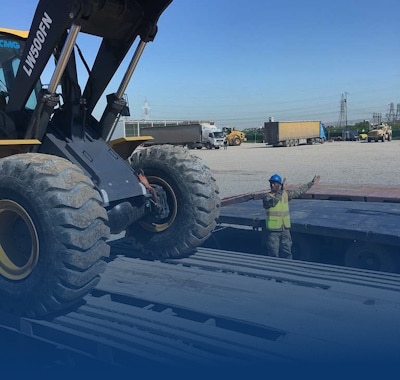
How AI Runs Modern Mines Without Humans
Freedom Heavy Haul can offer expedited Pickup and Delivery for any size shipment anywhere in the USA. Contact us today for No Hassle, No Pressure Pricing.
The mining industry is changing fast with autonomous mining tech. This change makes mines work better and safer.
AI in mining lets mines run without humans. This cuts down on accidents and boosts work speed. Self-driving vehicles and tools help move and get materials, making mining smoother.
As modern mining techniques grow, mining will get greener. AI helps mines work smarter, saving money and the planet.
The Rise of Autonomous Mining Operations
Autonomous mining operations are changing the mining world. They use AI and automation to make mining better. This change is not just about using machines instead of people. It’s about making mining safer, more efficient, and productive.
More and more mining companies are using this technology. They want to stay competitive in the market.
Evolution of Mining Systems
At first, mining was done by people. But over the last ten years, we’ve seen big changes. Automation started with simple tasks like hauling and drilling.
Now, thanks to AI and machine learning, whole mining operations are automated. Autonomous haulage systems (AHS) let mines run without drivers. This is a big step forward.
Companies like Rio Tinto and BHP are leading this change. They use AHS in their mines in Australia.
Recent Breakthroughs
New advancements in mining automation are exciting. They come from AI, robotics, and data analytics.
Drones are now used for aerial surveys and monitoring. They give real-time data on the mine’s condition and progress.
| Aspect | Traditional Mining | Autonomous Mining |
|---|---|---|
| Operational Hours | Limited by shift changes | 24/7 Continuous Operation |
| Safety | Human risk in hazardous environments | Reduced human risk, improved safety |
| Efficiency | Dependent on human factors | Optimized through AI and data analytics |
The move to autonomous mining is a big change. It’s not just a trend. With AI and technology getting better, we’ll see even more advanced systems soon.
The AI Systems Running Modern Mines Without Humans
AI in mining has made big changes. Now, mines can run by themselves. They use new tech to work well and safely.
Core Technologies Powering Autonomous Mining
Autonomous mining uses key tech. Machine learning algorithms help make mining better. Computer vision and sensors keep an eye on equipment.
These tech areas are important:
- Advanced navigation and mapping systems
- Real-time data analytics
- Predictive maintenance
- Automated equipment control
Machine Learning Algorithms for Resource Extraction
Machine learning is key for mining. It looks at data to find minerals. This makes mining more precise.
| Algorithm Type | Application | Benefits |
|---|---|---|
| Supervised Learning | Predictive modeling of mineral deposits | Improved accuracy in resource estimation |
| Unsupervised Learning | Identifying patterns in geological data | Enhanced discovery of new resources |
| Reinforcement Learning | Optimizing extraction processes | Increased efficiency and reduced costs |
Computer Vision and Sensor Integration
Computer vision and sensors are vital. They watch equipment and surroundings. This keeps mining safe and efficient.
Some uses are:
- Monitoring equipment condition
- Detecting anomalies and potential hazards
- Enhancing navigation and control systems
With these techs, mines work better and safer. This is a big step forward for mining.
Real-Time Data Analytics in Autonomous Mining
Real-time data analytics is key in modern mining. It changes how mines work and use resources. Mining companies use advanced analytics to make smart choices, improve operations, and boost efficiency.
Predictive Analytics for Resource Identification
Predictive analytics is a big part of real-time data in mining. It helps find resources better and faster. By looking at geological data and equipment performance, it finds the best places to mine.
Benefits of Predictive Analytics:
- More accurate finding of resources
- More efficient exploration
- Smarter decisions with data
Operational Optimization Through Big Data
Big data analytics is also vital in mining. It uses lots of data from sensors and equipment. This helps mines plan better routes, use equipment well, and schedule maintenance.
| Operational Aspect | Big Data Application | Benefit |
|---|---|---|
| Haulage Routes | Route optimization using GPS and terrain data | Less fuel used and fewer emissions |
| Equipment Utilization | Real-time monitoring of equipment performance | More work done and less downtime |
| Maintenance Scheduling | Predictive maintenance based on equipment condition | Lower maintenance costs and less unplanned downtime |
Digital Twin Technology for Mine Simulation
Digital twin technology is used in mining to create virtual mines. It lets companies test scenarios and predict outcomes. This way, they can improve operations without stopping actual mining.
Digital twin technology with real-time data analytics helps mining companies:
- Test different mining plans to find the best
- See and avoid potential problems
- Work better together through a shared digital space
Leading Autonomous Mining Operations Worldwide
Big mining companies are leading the way with new tech. They want to work better, safer, and faster. Many top mining companies are making big steps forward.
Rio Tinto’s Mine of the Future in Australia’s Pilbara
Rio Tinto is a leader in using new tech for mining. Their “Mine of the Future” in Pilbara, Australia, uses special trucks that drive by themselves. This has cut down costs and made mining safer by reducing the need for people in dangerous places.
- Implementation of autonomous haulage systems
- Significant reduction in operational costs
- Enhanced safety through reduced human intervention
BHP’s Autonomous Fleet in Western Australia
BHP is also big on new mining tech, like its trucks in Western Australia. These trucks help BHP mine better and safer. It’s part of BHP’s plan to use tech to get better at mining.
- Deployment of autonomous haul trucks
- Improved productivity and safety
- Integration with broader operational strategy
Resolute Mining’s Fully Automated Underground Operations in Mali
Resolute Mining is doing underground mining in Mali in a new way. They use advanced tech to make mining safer and more efficient. This lets them mine places that were too hard or dangerous before.
Fortescue Metals Group’s Autonomous Haulage Systems
Fortescue Metals Group uses special trucks that drive by themselves. This tech has made mining better and safer for them. They’ve seen big gains in how much they can mine and how much it costs.
| Company | Project | Key Technologies | Benefits |
|---|---|---|---|
| Rio Tinto | Mine of the Future, Pilbara | Autonomous Haulage Systems | Reduced operational costs, Enhanced safety |
| BHP | Autonomous Fleet, Western Australia | Autonomous Haul Trucks | Improved productivity, Enhanced safety |
| Resolute Mining | Fully Automated Underground Operations, Mali | Advanced Automation Technologies | Improved efficiency, Access to complex ore bodies |
| Fortescue Metals Group | Autonomous Haulage Systems | Autonomous Haulage Systems | Improved productivity, Reduced operational costs |
Safety Improvements Through AI-Driven Mining
AI is making mines safer. It changes how we think about safety. Now, mines are safer for everyone.
Elimination of Human Risk in Hazardous Environments
AI helps remove human risk in dangerous places. Drones and vehicles can go where people can’t. This lowers the chance of accidents.
Rio Tinto’s systems in Australia’s Pilbara region are a great example. They make mining safer and more efficient.
Key benefits of removing humans from danger include:
- Less chance of accidents and injuries
- Less exposure to harmful stuff
- Better safety record
Predictive Maintenance and Accident Prevention
AI helps with predictive maintenance. It looks at data to predict when equipment might fail. This way, maintenance can happen before it breaks.
This stops accidents caused by broken equipment. It makes the work place safer.
BHP’s use of predictive analytics is a good example. They prevent equipment failures, reducing downtime and improving safety.
Emergency Response Protocols in Autonomous Mines
In case of an emergency, AI mines have quick response plans. These plans act fast to lessen the damage. Systems can isolate areas and alert emergency services.
Fortescue Metals Group has great emergency plans. They work with AI for a quick and coordinated response.
AI and autonomous tech are making mining safer. They also set high standards for work.
Productivity and Efficiency Gains in Human-Free Mining
Human-free mining has changed the mining world a lot. It brings big gains in productivity and efficiency. Now, mining can run all day, every day, without breaks.
24/7 Operations Without Shift Changes
One big plus of human-free mining is working all day, every day. This means more work gets done. For example, Rio Tinto’s systems in Australia work non-stop and are way more productive.
Working all the time means less downtime. This makes resources and equipment work better. It also means more work gets done and better use of expensive tools.
Precision in Extraction and Resource Management
Autonomous mining uses smart tech like machine learning and computer vision. These tools help find and get minerals exactly right. This cuts down on waste and makes the minerals better.
Predictive analytics and digital twin technology help manage resources better. They test different mining plans to make the process better.
Cost Savings Analysis and ROI Metrics
Human-free mining saves a lot of money. It cuts down on labor costs, lowers expenses, and reduces equipment upkeep. Looking at cost savings and ROI is key to seeing the money benefits of mining without people.
| Cost Component | Traditional Mining | Autonomous Mining | % Savings |
|---|---|---|---|
| Labor Costs | $10 million | $2 million | 80% |
| Operational Expenses | $15 million | $10 million | 33% |
| Equipment Maintenance | $5 million | $3 million | 40% |
| Total Costs | $30 million | $15 million | 50% |
The table shows how much money can be saved with autonomous mining. It’s clear that many costs go down.
In short, human-free mining brings big wins. It works all the time, gets things right, and saves money. As more mining goes autonomous, the benefits will keep growing. This will lead to more investment and new ideas in mining.
Environmental Impact of AI-Controlled Mining Operations
AI is making mining better for the planet. It makes mining more efficient and less harmful. This is thanks to new technologies.
Reduced Carbon Footprint Through Optimized Operations
AI helps mining cut down on carbon emissions. AI finds the best routes and cuts down on fuel use. It also knows when to do maintenance, which saves energy.
Rio Tinto in Australia is a great example. Their AI systems make mining better and use less fuel. This lowers carbon emissions.
AI also helps with maintenance. It predicts when machines will break down. This means less energy use and fewer emissions.
Precision Mining and Minimized Ecological Disruption
AI makes mining more precise. This means less harm to the environment. Advanced sensors watch mining in real time.
This precision helps protect nature. It reduces damage to habitats and pollution. AI mining helps the planet for the future.
AI-Managed Land Rehabilitation Programs
AI helps with fixing the land after mining. It looks at soil and plants to fix the land better.
Some use drones with AI to check on the land. They see where the land needs more help. They make sure plants are growing well.
AI in land care helps meet rules and restore nature. It makes ecosystems healthier and more diverse.
Cybersecurity and Resilience in Autonomous Mining Systems
Cybersecurity is very important for mining systems that work alone. A small problem can cause big issues. Mining uses AI and automation more, so it’s at risk for cyber attacks.
Companies are working hard to keep their systems safe. They use special tools, check for problems often, and teach their workers about safety.
Protecting Critical Mining Infrastructure from Cyber Threats
Keeping mining systems safe from cyber attacks is a big goal. This means:
- Using strong firewalls and systems to find intruders
- Checking for weak spots and fixing them
- Teaching people to spot and deal with threats
Case Study: Rio Tinto in Australia uses many ways to keep its systems safe. They use special networks and watch them all the time.
Redundancy Systems and Fail-Safe Protocols
Companies make sure systems keep working even if attacked. They do this by:
- Having two of everything important
- Setting up safe ways to stop things from getting worse
- Testing and updating these systems often
Here’s why having extra systems is good for mining:
| System | Redundancy Benefit | Fail-Safe Benefit |
|---|---|---|
| Power Supply | Keeps working when there’s no power | Prevents losing data and damaging equipment |
| Communication Networks | Keeps control when there’s trouble | Makes sure things shut down safely |
| Control Systems | Prevents downtime | Reduces risk of accidents and injuries |
Industry Collaboration on Security Standards
Working together is key for strong security standards. Sharing knowledge helps mining companies stay safe from cyber threats.
“Collaboration is key to addressing the complex cybersecurity challenges facing the mining industry.” – Expert in mining cybersecurity.
The Socioeconomic Consequences of Automated Mining
Automated mining is changing the mining world. But what does this mean for people and places? We need to look at both the good and bad sides of this change.
AI and automation in mining have caused mixed feelings. Some think it makes the industry better and safer. Others worry about jobs and local economies.
Job Displacement in Traditional Mining Communities
Job loss is a big worry. Mining towns have always relied on mining jobs. Now, automation might make many jobs disappear. The International Labour Organization says up to 40% of mining jobs could be at risk.
Local communities could face big challenges, like more unemployment and stress on services. A study in Australia showed some jobs were lost, but new ones needed different skills.
“The future of work in mining is not just about replacing human labor with machines, but about creating new opportunities for workers to adapt and thrive in a changing environment.”
New Roles and Skills in the AI Mining Ecosystem
Automation might take some jobs, but it also brings new ones. The AI mining world needs skills like data analysis and AI maintenance. Workers need to know how to run complex systems and make smart decisions with AI help.
- Data analysts and scientists
- AI and machine learning engineers
- Automation technicians
- Cybersecurity experts
To help workers, we need to invest in education and training. This will prepare them for the new jobs.
Economic Transformation in Mining-Dependent Regions
Automated mining affects more than just jobs. It changes the whole economy of mining areas. On one side, it can make things more efficient and grow the economy. On the other, it could make things more unequal if not managed right.
Economic diversification is key to fixing this. By growing other sectors like tech and renewable energy, areas can become less dependent on mining. This makes the economy stronger and more stable.
| Economic Indicator | Pre-Automation | Post-Automation |
|---|---|---|
| Employment Rate | 80% | 70% |
| GDP Contribution | $1 Billion | $1.2 Billion |
| Average Income | $50,000 | $55,000 |
In conclusion, automated mining brings both challenges and chances for growth. Understanding these and planning well can help everyone benefit from automation.
The Future of Human-Free Mining and Its Global Implications
The mining world is changing fast. Now, we see more machines working alone. This is thanks to AI and machine learning. It makes mining safer and more efficient.
This big change will affect us all around the world. Mines can work non-stop, making more and saving money. This is good for getting important minerals.
Companies will spend more on new tech. This means more innovation in mining. We might see new ways of doing things in the future.
Everyone is watching how this change will affect us. Governments, companies, and local people are all curious. They want to know how human-free mining will shape our world.
FAQ
What is autonomous mining?
Autonomous mining uses AI and tech to run mines without people. Companies like Rio Tinto and BHP are already using it.
How does AI improve mining safety?
AI makes mines safer by removing human risks. It predicts and stops accidents. It also has emergency plans for mines.
What are the benefits of real-time data analytics in autonomous mining?
Real-time data helps mines find resources better. It makes operations more efficient. It also uses digital twins for better planning.
How does autonomous mining impact the environment?
It makes mines less harmful to the environment. It cuts down carbon emissions. It also mines more precisely and fixes land better.
What are the socioeconomic implications of automated mining?
Automated mining changes jobs in mining areas. It creates new jobs and skills. It also changes the local economy.
How is cybersecurity addressed in autonomous mining systems?
Mining systems protect against cyber threats. They have backup plans and follow safety standards. They work together on security.
What is the role of machine learning in autonomous mining?
Machine learning is key in mining. It analyzes data and makes decisions quickly. This improves how mines work.
Can autonomous mining operate around the clock?
Yes, autonomous mining works all day, every day. This means mines are more productive and efficient.
How does digital twin technology contribute to autonomous mining?
Digital twins help mines by simulating different situations. They help make better decisions for the mine.