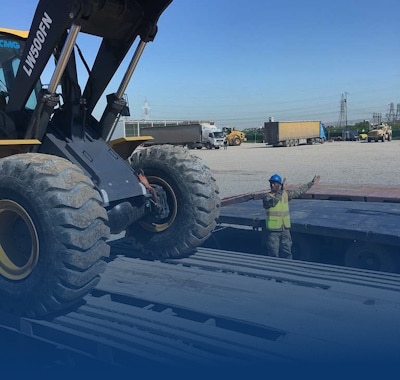
How Military Tech Enables Overnight Asset Relocation
Freedom Heavy Haul can offer expedited Pickup and Delivery for any size shipment anywhere in the USA. Contact us today for No Hassle, No Pressure Pricing.
In today’s defense world, moving things fast is key. Rapid asset relocation helps forces act quickly against new threats. It keeps them ahead in strategy.
Efficient logistics are crucial for fast and safe moves. New military technology makes it possible to move things overnight, even over long distances.
Now, logistics and defense strategy work together better. Thanks to military technology, forces can move and react faster than ever before.
The Evolution of Military Logistics
Military logistics has changed a lot over time. It has adapted to new tech and strategies. Moving things fast and well has been key to military success.
It has evolved to meet the needs of different times. From the Napoleonic Wars to today’s conflicts, it has grown.
Historical Challenges in Asset Mobility
In the past, moving things was hard. There were limited transportation options and inadequate supply chain management. People used horses and wagons, which were slow.
During World War I, armies had trouble moving because of old transport. They relied too much on rail networks.
Then, motorized vehicles came in the early 1900s. This was a big step forward. But it also brought new problems, like needing fuel supply chains and vehicle maintenance.
Even with these new tools, moving things was still hard.
Transition to Modern Rapid Deployment Systems
New tech has changed military logistics a lot. Now, moving things is fast and easy. Advanced transportation platforms like planes and fast ships help a lot.
Digital technologies like software and GPS make things even better. Military forces can now move quickly and respond fast to crises.
This change has helped them project power and meet their goals.
The Technology That Lets the Military Move Heavy Assets Overnight
The military moves heavy equipment fast thanks to new tech. This tech changes how they move things around. It uses digital and physical tools together.
Core Systems and Infrastructure
The military’s ability to move things fast is based on its systems and infrastructure. It has new ways to navigate and talk, and it uses new materials and engineering.
GPS and Satellite Communication Networks
GPS and satellite networks are key for the military’s moves. GPS technology helps find the way, even in tough places. Satellite communication lets units talk to each other in real time. This helps move things fast and right.
Advanced Materials and Engineering
New materials and engineering make things lighter but stronger. Advanced composites and alloys are used in military stuff. This makes things move better and use less fuel, which is good for quick and long operations.
Integration of Digital and Physical Technologies
Digital and physical tech work together to move heavy things fast. This mix includes artificial intelligence (AI) and Internet of Things (IoT) devices.
Digital tech helps watch and manage things in real time. It also helps plan and fix things before they break. Physical tech, like better engines, helps too. Together, they make moving things fast and reliable.
With these techs, the military can act fast. They can move heavy things where they need them. This is a big part of modern military plans, giving them an edge.
Advanced Transportation Platforms for Rapid Deployment
The military can move things fast thanks to advanced transportation platforms. These tools help move big stuff, people, and supplies over different lands and far distances.
These platforms work well because they use air, sea, and land together. This makes moving things fast and smooth.
Strategic Airlift Capabilities
Strategic airlift capabilities are key for moving lots of stuff and people far away. This is important for quick responses and helping friends in far places.
C-17 Globemaster III and C-5M Super Galaxy
The C-17 Globemaster III and C-5M Super Galaxy are top examples. The C-17 can land on short, rough runways. The C-5M is huge and can carry big cargo.
Next-Generation Transport Aircraft
New planes are coming with better materials and tech. They will be more fuel-efficient, carry more, and safer in danger zones.
Maritime Rapid Response Vessels
Maritime rapid response vessels are key for sea support. They can handle different sea conditions and have special cargo tools.
They can get close to the shore and unload cargo. This is great for landing on the beach.
Ground Transport Innovations
Ground transport innovations help move things the last bit. They are made to move fast and over tough terrain. This ensures supplies get where they need to go.
These systems work with air and sea to make moving things fast and complete.
Logistics Command and Control Systems
The backbone of modern military logistics is the command and control systems. They enable real-time tracking and management of assets. These systems are key to efficient and effective military operations.
Real-Time Asset Tracking and Management
Tracking and managing assets in real-time is crucial. GPS tracking, RFID technology, and sensors help. They let military forces know where and how their assets are doing.
This info helps commanders make quick, smart decisions. It’s important for responding to changes in operations.
| Technology | Description | Benefits |
|---|---|---|
| GPS Tracking | Uses satellite signals to find assets’ exact locations. | Improves awareness and asset use. |
| RFID Technology | Uses radio waves to track assets. | Helps manage inventory and cuts down on mistakes. |
AI-Powered Logistics Decision Support
AI helps make smart logistics decisions. It looks at lots of data to give commanders useful info. This includes predicting problems, finding the best routes, and suggesting deployment plans.
Predictive Analytics for Supply Chain Optimization
Predictive analytics is key for better supply chains. It looks at past data, weather, and more. This helps forecast issues and find ways to fix them.
Automated Route Planning and Scheduling
Systems plan the best routes and schedules for moving assets. They use smart algorithms to do this. This makes moving assets faster, uses less fuel, and makes logistics better.
Real-time tracking, AI, and other tech are changing military logistics. They make operations more efficient, quick, and effective. This boosts military readiness and power.
Containerization and Modular Systems in Military Operations
Containerization and modular systems are key in modern military operations. They make things more flexible and quick. These systems help move military assets efficiently.
Standardized Transport Units
Standardized transport units have changed military logistics a lot. They make it easy to move goods by ship, train, or truck. This makes loading and unloading faster, speeding up deployment.
Some big benefits of these units are:
- They use space well
- Make handling and storage easy
- Work well with civilian systems
Rapid Assembly and Disassembly Technologies
Rapid assembly and disassembly are very important in today’s military. They let troops quickly set up or take down equipment. This is very useful in changing situations.
Field-Ready Modular Equipment
Field-ready modular equipment is made to be easy to move and set up. It’s light, strong, and simple to put together. This makes it perfect for use in tough places.
“The use of modular equipment has significantly enhanced our ability to respond to emerging threats in a timely and effective manner.” – General James Smith, US Army
Interoperability with Civilian Infrastructure
Containerization and modular systems work well with civilian systems. They use standard containers and equipment. This makes moving things faster and more efficient.
This is very important for big military operations. It helps move assets quickly across different areas.
Recent Deployments Showcasing Overnight Asset Relocation
Overnight asset relocation has shown its value in recent military actions. This includes missions in the Middle East and humanitarian efforts. It allows forces to quickly respond to crises, delivering vital assets on time.
Case Study: Middle East Operations
In the Middle East, quick asset movement is key. It helps keep operations running smoothly and adapts to security changes.
Operational Effectiveness: Advanced logistics have boosted military success in the region. Strategic airlift and fast ships help move assets fast and well.
| Asset Type | Relocation Method | Response Time |
|---|---|---|
| Troops | Strategic Airlift | Under 12 hours |
| Equipment | Maritime Transport | Within 24 hours |
Case Study: Humanitarian Response Missions
Humanitarian missions also gain from quick asset relocation. It’s vital for fast aid and personnel delivery in disasters or crises.
Hurricane Relief Efforts
After hurricanes, the military is key in relief. Quick asset relocation helps send people, gear, and supplies fast to help.
International Disaster Response
In global disaster responses, quick asset relocation is crucial. The military can quickly get aid and support to those needing it.
Efficient logistics are essential for humanitarian success. Overnight asset relocation is a big part of this efficiency.
The Role of Robotics and Automation in Asset Relocation
Robots and automation are changing how we move military stuff. They make moving things faster, better, and more accurate.
Autonomous Loading and Unloading Systems
Autonomous systems are changing how we handle military stuff. Robots like cranes and forklifts work all day, every day. This makes loading and unloading much quicker.
Key benefits include being more efficient, saving money, and being safer. Robots can lift heavy things carefully, which helps avoid damage or harm.
Drone Support for Logistics Operations
Drones help with logistics in the military. They watch over things, manage inventories, and move important supplies.
Small UAVs for Inventory Management
Small drones help keep track of things. They have sensors and cameras to watch over assets in real-time. This helps find and move things faster.
Heavy-Lift Drone Prototypes
Prototypes of heavy drones can move big things far away. They could make moving things faster and easier, even in hard places.
A military logistics expert said, “Drones in logistics are a big change. They help us respond quickly and make sure our people have what they need.”
“The future of military logistics is in robots and automation. It’s not just moving things; it’s doing it fast, well, and with precision.”
| Technology | Application | Benefits |
|---|---|---|
| Autonomous Loading and Unloading Systems | Handling military assets | Increased efficiency, reduced labor costs, enhanced safety |
| Small UAVs | Inventory management | Real-time monitoring, improved accuracy |
| Heavy-Lift Drones | Transporting heavy assets | Enhanced speed, efficiency, and reach |
Challenges and Limitations in Rapid Asset Deployment
Rapidly moving military assets is hard. It faces many challenges. These include tech, weather, and logistics issues.
Weather and Environmental Constraints
Weather is a big problem in moving assets fast. “Bad weather can really hurt military plans,” say experts. Rain or snow can stop planes from flying. Cold or hot weather can break equipment.
Also, hard terrain makes moving things on the ground tough. Mountains or thick forests need special paths. This slows down moving things.
Infrastructure Requirements
Good infrastructure is key for fast asset moves. This means roads, bridges, ports, and airfields. Without them, moving things is hard or slow.
For example, bad ports can stop ships from coming in. Poor roads can slow down trucks. So, good infrastructure is very important.
Security Considerations
Keeping assets safe is also a big deal. In dangerous places, moving things can be risky. You need extra planning and resources to keep things safe.
Things like escorting convoys or using secret ways to talk are important. General James McConville said, “Keeping things safe is key to good logistics.”
How Military Mobility Innovations Are Reshaping Global Defense Strategy
The fast growth of military mobility is changing how we defend the world. New ways to move things and people are helping forces act fast. This is changing what we think of as defense.
Military mobility is key in today’s defense. It lets countries show power and keep their interests safe everywhere. New transport tech, like fast planes and ships, helps move things fast.
New tech is also making it easier to manage and track things. This includes using computers and AI to help make quick decisions. These changes make defense work better and faster.
As defense strategies get better, military mobility will become even more important. Being able to move forces quickly will keep being a big part of good defense plans. This will lead to more new ideas in moving things and people.
FAQ
What is the significance of rapid asset relocation in military operations?
Rapid asset relocation is key in military operations. It lets forces quickly adapt to new situations. This keeps them ahead and helps them complete their missions well.
How has military logistics evolved over time?
Military logistics has changed a lot. It moved from old ways to new, fast systems. Now, it uses GPS, satellite talk, and AI to help make decisions.
What technologies enable the military to move heavy assets overnight?
To move big things fast, the military uses many techs. These include GPS, satellite talk, and new materials. It also uses digital and physical tech together.
What are some examples of advanced transportation platforms used for rapid deployment?
For quick moves, the military uses special planes like the C-17 Globemaster III. It also uses fast ships and new ground transport.
How do logistics command and control systems enhance military logistics?
Systems like real-time tracking and AI help a lot. They make logistics better by making it faster, more effective, and more ready to respond.
What is the role of containerization and modular systems in military operations?
Containerization and modular systems are very important. They help use standard units, build and take apart things fast, and have ready equipment. This makes military logistics flexible and quick.
How are robotics and automation being used in asset relocation?
Robotics and automation help move things around. They use drones for tasks like checking inventory and moving heavy stuff.
What are some of the challenges and limitations faced in rapid asset deployment?
Moving things fast is hard because of weather, needed places, and keeping things safe. These things can make logistics less effective and slow.
How are innovations in military mobility reshaping global defense strategy?
New ways to move things are changing defense plans. They help respond fast to threats. This changes how we think about defense worldwide.