How to Haul a Crawler Excavator Safely | Expert Tips
Freedom Heavy Haul can offer expedited Pickup and Delivery for any size shipment anywhere in the USA. Contact us today for No Hassle, No Pressure Pricing.
Moving a crawler excavator is a significant undertaking. This heavy equipment requires meticulous planning and expert handling. We understand the immense responsibility involved in this transport process.
These powerful machines, often weighing 80 to 100 tonnes, are vital for major projects. Their transportation is a complex operation. It demands specialized knowledge and careful attention to detail.
Our guide provides a clear, step-by-step process. We cover every critical phase, from initial preparation to final delivery. Our goal is to ensure your valuable equipment arrives without incident.
We have gathered insights from industry leaders and manufacturers. This gives you proven strategies for efficient hauling. These methods minimize risk and protect your investment.
This resource addresses the unique challenges of moving an excavator. We focus on weight distribution, regulatory compliance, and safety protocols. Our approach combines expert knowledge with practical steps.
Whether your heavy equipment move is local or long-distance, proper execution is non-negotiable. We built this guide to build your confidence. It offers the reliable information you need for a successful transport operation.
Understanding the Challenges of Hauling Heavy Equipment
The successful movement of heavy machinery begins with a clear understanding of its inherent transport challenges. We focus on identifying these critical factors early to build a secure and efficient plan.
Assessing the Weight and Size Considerations
Accurate weight and dimension data form the foundation of safe transport. Excavators can range from 8 tonnes to over 120 tonnes. This vast size range demands precise calculation.
Models in the 80- to 100-tonne class require special handling. Their long-arm configurations and attachments add significant size weight complexity. The total weight must include the equipment, attachments, and trailer.
This calculation is vital for complying with gross vehicle weight ratings. Overlooking these requirements can lead to permit denials or road damage.
Recognizing the Physical and Logistical Challenges
The physical act of moving such machinery involves managing its center of gravity. Proper distribution across the trailer is non-negotiable for stability.
Logistical hurdles include matching the right transport vehicles to your equipment’s specifications. This requires careful analysis of load capacity and dimensional restrictions.
We recommend a comprehensive risk assessment for every project. This proactive step identifies hazards related to your specific weight excavator and oversized loads.
Planning and Preparing for Equipment Transport
The foundation of any successful heavy equipment move lies in comprehensive pre-transport planning. We approach this phase with systematic precision to ensure every detail receives proper attention.
Mapping Out the Transportation Route
We begin our planning process by meticulously mapping the complete transportation route. This involves identifying potential obstacles like narrow roads and weight-restricted bridges.
Route planning demands careful attention to bridge and overpass clearances. Proper clearance assessment prevents conflicts with your excavator’s height during transport.
We recommend selecting routes that offer straightforward driving conditions. Complex paths increase risk and extend transportation time unnecessarily.
Gathering Necessary Permits and Approvals
Securing the proper permits is a critical step that cannot be overlooked. Each state maintains its own regulations for oversized loads.
When crossing state lines, separate applications become necessary. These requirements often include specifications for escort vehicles and proper signage.
The permitting process demands strict compliance with local, state, and federal regulations. We ensure all paperwork meets these standards before transport begins.
We factor in adequate time for permit approval processes. Rushing this phase can lead to legal complications that impact your project timeline.
Key Steps to Secure Your Machine for Safe Transport
Securing heavy machinery requires meticulous attention to every detail of the process. We build multiple layers of protection into our securing system. This approach ensures your valuable equipment remains stable throughout the journey.
“Proper securing isn’t just about chains and straps—it’s about creating a complete system that anticipates every potential movement.”
Setting Up Proper Tie-Downs and Connection Points
We begin by identifying all critical tie-down points on your machine. These connection locations must withstand tremendous forces during transport. Our team inspects each point for integrity before proceeding.
We utilize heavy-duty chains and binders rated for your specific load requirements. The configuration follows a specific pattern to distribute forces evenly. This prevents stress concentration on any single component.
| Machine Size | Minimum Tie-Downs | Chain Grade | Additional Securing |
|---|---|---|---|
| Under 40 tonnes | 4 points | Grade 70 | Track chocks |
| 40-80 tonnes | 6 points | Grade 80 | Crossed chains |
| Over 80 tonnes | 8 points | Grade 100 | Full cradle system |
Using the Correct Ramps and Equipment for Loading
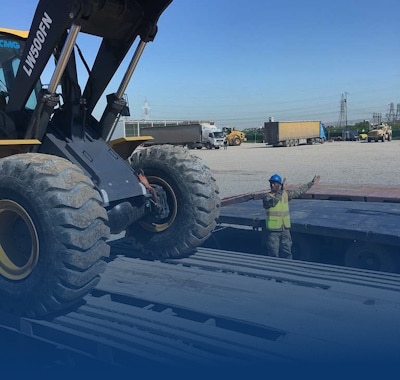
The loading process demands careful preparation. We position the trailer on firm, level ground to create a stable foundation. This prevents shifting during the critical loading phase.
We select ramps rated for your equipment’s full weight capacity. Any debris, grease, or mud is thoroughly removed from all surfaces. This eliminates slipping hazards during the ascent onto the trailer.
Our operators approach the ramp with the heaviest end first. They maintain minimal engine speed and controlled movement. This careful way of loading ensures complete stability from start to finish.
how to haul a crawler excavator safely
Following precise guidelines transforms complex transport operations into systematic procedures. We build our approach around this fundamental principle.
Following Manufacturer and Regulatory Guidelines
Our systematic process integrates manufacturer specifications with legal requirements. This dual approach ensures complete compliance throughout the transportation operation.
We begin by consulting the owner’s manual for specific loading instructions. Manufacturers provide critical details about proper tie-down positions and weight distribution. These guidelines protect your equipment from stress damage during transit.
Before any machine movement, we complete essential preparatory steps. The bucket or attachment lowers completely to the floor. The engine stops, parking brake engages, and battery disconnect switches to “off.” All doors and covers receive secure locks.
Regulatory regulations vary across jurisdictions but share common safety objectives. We maintain awareness of local, state, and federal requirements. This vigilance prevents legal complications during public road travel.
Our team installs tie-downs at manufacturer-specified front and rear positions. These engineered connection points handle transport stresses effectively. Using recommended securements maximizes protection for your valuable excavator.
Transport Regulations and Permits for Oversize Loads
Navigating the legal framework for oversized equipment transport demands precision and foresight. We build compliance into every project from the initial planning stage. This proactive approach ensures smooth movement across jurisdictional boundaries.
Understanding State Weight and Height Restrictions
Each state maintains unique regulations governing oversized loads. These restrictions vary significantly for both weight and height parameters. Some states permit trailers carrying up to 80,000 pounds.
We meticulously verify clearance requirements along your entire route. Bridge and overpass measurements receive careful attention. This prevents conflicts during transport of your valuable excavators.
Coordinating with Escort Vehicles and Special Approvals
Crossing state lines often requires multiple permits. We secure separate approvals from each jurisdiction along your path. This multi-step process demands careful timing and documentation.
Many state regulations mandate escort vehicle accompaniment. These professional escorts alert other road users to your presence. They help maintain safe travel conditions for everyone.
We handle all specialized paperwork for exceptional loads. Our team manages the application process for special approvals. This ensures full compliance before your equipment moves.
Choosing the Right Trailer and Haulage Equipment
Proper trailer selection represents one of the most critical decisions in heavy equipment transportation. We approach this choice with systematic precision, ensuring every component matches your specific requirements.
Evaluating Trailer Weight Ratings and Axle Capacities
We carefully match transport vehicles to your machinery’s exact specifications. Our process begins with comprehensive weight analysis, accounting for both the equipment and trailer itself.
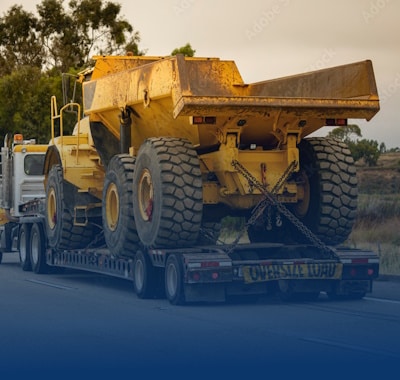
Lowboy trailers typically serve as the optimal solution for crawler excavators. Their design accommodates tall machinery while maintaining a low center of gravity. This configuration enhances stability during transit.
Flatbed trailers offer versatile alternatives for standard hauling needs. We assess axle capacities thoroughly, recognizing that additional axles increase load-bearing capabilities. Some configurations support up to 80,000 pounds in certain states.
Our selection process never pushes weight limits to their maximum. We maintain safety margins that protect your valuable investment throughout the transportation journey.
Safety Tips and Best Practices for Loading and Unloading
Our systematic approach to equipment transfer prioritizes human safety and asset protection. We establish clear protocols for every phase of the operation. This prevents damage and ensures smooth transitions.
“Safety isn’t just a checklist—it’s a culture we build into every movement of your valuable equipment.”
Implementing Secure Loading Procedures
We designate specific duties for each team member before beginning. Everyone maintains awareness of surrounding obstacles and potential hazards. The driver confirms the truck is parked securely on level ground.
Our crew inspects the trailer deck for any damage or debris. We clear the area completely before positioning the equipment. This careful preparation creates optimal conditions for safe loading.
| Inspection Checkpoint | Pre-Loading | Pre-Transit | Post-Unloading |
|---|---|---|---|
| Tie-Down Points | Visual inspection | Stress test verification | Functionality check |
| Equipment Attachment | Secure fastening | Movement restriction | Operational readiness |
| Trailer Condition | Debris removal | Structural integrity | Cleanliness assessment |
| Ground Surface | Level verification | Stability confirmation | Job site preparation |
Conducting Final Inspections Before Transit
We examine all tie-down points and connection hardware thoroughly. Our team checks for cracks, stretches, or fatigued links in chains. Any compromised equipment gets immediately removed from service.
All securing gear must meet or exceed the machine’s weight rating. We walk around the excavator on the transport vehicle for visual confirmation. Nothing should appear out of place before departure.
At the destination, we clear the job site of large debris and level the ground. The unloading process involves controlled chain release and slow ramp descent. We complete a final operational check of the excavator and attachments.
This comprehensive inspection way ensures your equipment operates at full capacity. We never rush these critical steps, regardless of time constraints. Proper execution prevents damage and protects everyone involved.
Wrapping Up Essential Steps for Safe Excavator Transport
Expert excavator transport combines technical knowledge with practical experience for optimal results. We have outlined the complete process from initial planning to final delivery at your destination.
Transporting heavy equipment demands careful attention and professional handling. Some excavators may require partial disassembly before transportation. Our team coordinates this complex procedure with precision.
Professional hauling services eliminate risks associated with moving valuable machinery. We manage permits, provide specialized vehicle fleets, and ensure safe handling of all attachments.
Contact our team today to discuss your specific equipment transport needs. We provide personalized solutions for every project requirement.
FAQ
What are the primary safety concerns when transporting an excavator?
The main concerns involve the machine’s size and weight, which can exceed standard road limits. We focus on securing the load with proper chains and binders, planning the route to avoid height restrictions, and ensuring full compliance with all state transportation regulations to prevent accidents and damage.
Why are permits required for excavator transport?
Permits are mandatory for oversize or overweight loads to ensure public safety and protect road infrastructure. Our team handles the entire permit process, securing the necessary approvals from state departments of transportation before your machinery hits the road.
How do you determine the right trailer for a crawler excavator?
We evaluate the excavator’s total weight, including any attachments, and match it to a trailer with the appropriate weight ratings and axle capacities. Using the correct lowboy or step-deck trailer is critical for stability and legal compliance during the haul.
What is the process for loading a crawler excavator onto a trailer?
Our process involves using heavy-duty ramps on stable ground. The operator carefully drives the machine onto the trailer, centering it for optimal weight distribution. We then secure it using its designated tie-down points with industry-grade chains to eliminate movement.
What should I look for in a final inspection before transit?
Before departure, we conduct a thorough inspection. This includes double-checking all tie-downs for tightness, ensuring the bucket and other attachments are secured, clearing the machine of any debris, and verifying that all required warning signs and lights are properly mounted on the transport vehicle.
How does route planning impact the success of the transport job?
Proper route planning is essential for a smooth trip. We map the entire journey in advance, identifying potential obstacles like low bridges, narrow roads, or tight turns. This proactive planning helps us avoid delays and ensures the heavy equipment arrives at its destination safely and on time.