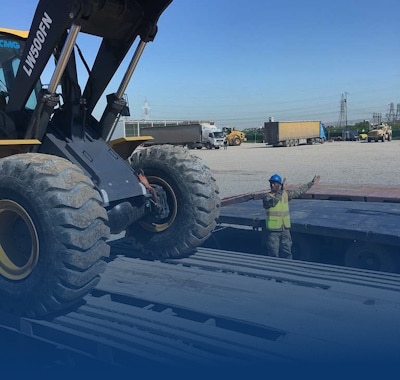
How to Prepare a Boom Lift for Flatbed Transport Safely
Freedom Heavy Haul can offer expedited Pickup and Delivery for any size shipment anywhere in the USA. Contact us today for No Hassle, No Pressure Pricing.
Moving aerial work platforms requires meticulous planning and execution. At Freedom Heavy Haul, we understand that proper equipment preparation prevents costly damage and ensures worker safety throughout the entire process.
Our team specializes in heavy equipment hauling and provides personal attention to every project. We’ve built trust through immediate response times and professional delivery standards.
Inadequate preparation often leads to damaged machinery, project delays, and unnecessary expenses. These issues can be avoided with established protocols and careful attention to detail.
This comprehensive guide walks you through critical steps for securing your boom lift. From initial inspection to final stabilization, we cover every essential aspect.
Whether moving equipment across town or state lines, following proven methods ensures your machinery arrives in perfect working condition. Safety and efficiency remain our top priorities in every transport operation.
Trust is built on expertise, and we’re here to share the knowledge that keeps your projects on schedule. Our professional standards reflect the care we take with all heavy equipment transportation.
Understanding Boom Lifts: Telescopic, Articulating, and Towable Options
Understanding the different boom lift configurations is fundamental to proper equipment handling. We recognize that each type serves distinct purposes and requires specific transport considerations.
Overview of Boom Lift Types
Boom lifts fall into three primary categories. Telescopic boom lifts feature straight, extendable arms for maximum reach and height. They excel in open areas where direct access is essential.
Articulating boom lifts offer multiple jointed sections for navigating around obstacles. This flexibility makes them ideal for complex environments with overhead limitations.
Towable models provide compact, trailer-mounted convenience. These units handle smaller tasks efficiently while offering easy mobility between locations.
Key Industries and Applications
These versatile machines serve critical functions across multiple sectors. Construction sites rely on them for elevation work and material handling.
Maintenance teams use boom lifts for facility upkeep and electrical installations. The entertainment industry employs them for lighting and camera positioning.
Each application demands specific equipment characteristics. We ensure proper matching between machine capabilities and project requirements.
Essential Pre-Operation Safety Checks for Boom Lifts
Systematic equipment verification procedures protect both personnel and machinery during transit operations. We implement thorough inspection protocols before any transport activity begins.
Our two-minute circle check routine identifies potential issues early. This preventative approach saves time and prevents costly delays.
Inspecting Tires, Fluids, and Structural Integrity
Tire examination reveals debris, wear patterns, and pressure concerns. We check foam-filled and non-marking tires for optimal condition.
Fluid levels require careful monitoring. Hydraulic fluid, coolant, and oil must meet specific level requirements.
Structural components demand close attention. We inspect the boom arm, joints, and connection points for stress signs.
| Inspection Area | Critical Checks | Acceptable Range |
|---|---|---|
| Hydraulic Fluid | Level between marked lines | Machine fully retracted |
| Power Source | Fuel/charge sufficient for loading | Prevents stall risks |
| Basket Integrity | Railings and platform floor | No bends or holes |
| Load Capacity | Chart weight limits | Never exceed maximum |
Evaluating the Working Environment
Environmental assessment ensures safe loading conditions. We identify potential obstacles and ground stability issues.
Documentation establishes equipment condition baselines. This protects all parties involved in the transport process.
These comprehensive checks take minutes but prevent hours of complications. Safety remains our unwavering priority throughout every operation.
How to Prepare a Boom Lift for Flatbed Transport
A methodical approach to machinery readiness ensures secure transit operations. We implement proven protocols that address every aspect of equipment preparation.
Step-by-Step Preparation Process
Our systematic method leaves no detail overlooked. Each phase builds upon the previous one for comprehensive coverage.
- Route and Site Assessment
Walk the entire path from current position to loading zone. Identify overhead obstructions and ground conditions. Measure clearances and turning radii. - Equipment Selection
Choose appropriate machinery based on weight distribution and tire specifications. Consider surface requirements and load capacity. - Pre-Movement Verification
Inspect tires for wear patterns and check fluid levels. Verify control functionality and safety features. - Stabilization Procedures
Fully retract all components to their transport positions. Secure loose items and confirm proper weight distribution. - Operator Certification
Ensure only qualified personnel handle the machinery. Compliance with OSHA standards is non-negotiable.
We emphasize that complete boom retraction significantly enhances stability during loading operations. This critical step lowers the center of gravity and minimizes tipping risks.
Proper preparation transforms complex machinery transport into a predictable, safe process. Our attention to detail protects your investment throughout the journey.
Proper Loading and Securing Techniques for Flatbed Transport
Executing a successful equipment move requires precision during the loading and securing phases. We focus on meticulous procedures that guarantee stability and security throughout the journey.
Using Ramps and Tie-Downs Effectively
We begin by positioning the trailer on completely level ground. This foundational step prevents dangerous shifts during the loading process.
Our team uses only properly rated ramps designed to handle the specific weight of your machinery. A dedicated spotter guides the operator, ensuring safe alignment and preventing damage.
Once positioned, we secure the machine with heavy-duty chains or straps. These are always rated for the equipment’s total weight.
Following Manufacturer Guidelines and Load Limits
Adherence to manufacturer specifications is non-negotiable. We connect tie-downs only to designated anchor points on the machine’s frame.
Equal tension across all four corners creates a balanced system. This prevents any movement during transit.
Proper weight distribution on the trailer is critical. We align the machinery’s center of gravity with the trailer’s axles for optimal vehicle handling.
Our final checks are thorough. We verify the machine is powered off, the parking brake is engaged, and all connections are secure.
| Securing Component | Inspection Criteria | Safety Standard |
|---|---|---|
| Tie-Down Straps/Chains | Rated for equipment weight | No visible wear or damage |
| Anchor Points | Manufacturer-designated locations | Four-point securement |
| Tension | Equal force on all tie-downs | No slack in system |
| Final Verification | Double-check all connections | No movement possible |
Compliance with DOT regulations is essential. For oversized loads, we secure all necessary permits in advance. This careful approach prevents delays and ensures a safe arrival.
Operating Controls: Ground Versus Basket for Boom Lifts
Mastering the control systems of an aerial work platform is a fundamental skill for safe transport preparation. We prioritize operator training on both ground-level and platform-based systems.
This knowledge ensures precise maneuvering during critical loading phases.
Comparing Control Panels and Safety Features
Operation begins at the ground-level panel. A key selects the active control station—purple for ground, light blue for the platform.
Pulling the red emergency stop button readies the machine. The ground panel features intuitive switches for all major functions.
These controls manage the platform height, boom extension, and basket tilt. This setup allows one person to position the machine safely onto a trailer.
When you need to operate from the platform, safety protocols intensify. The operator must be properly harnessed before activating the system.
A yellow crush guard protection cord serves as a vital emergency feature. Contact with overhead objects disconnects this wire, triggering an immediate shutdown.
Ignition requires holding down a foot pedal, which differs from ground controls. This design prevents accidental operation.
Critical information is always visible. A legend details all safety features. A load capacity chart shows maximum weight limits at various extensions.
We never exceed these specifications. Safety is non-negotiable when handling such powerful equipment.
Understanding these systems ensures smooth, secure transitions during transport preparation. Our operators demonstrate proficiency with both control stations.
Navigating Job Site Challenges and Safe Movement Practices
Successfully maneuvering heavy machinery through unpredictable job sites relies on expert assessment. We approach each location with careful evaluation of terrain and potential hazards. This proactive mindset prevents accidents and equipment damage.
Planning Routes and Avoiding Obstacles
Every worksite presents unique challenges that demand thorough route planning. We walk the entire path before equipment movement begins. This identifies overhead wires, tree branches, and structural obstacles.
Clear communication between operators and spotters is essential. They establish the safest path from work area to transport vehicle. This careful planning saves valuable time and prevents costly damage.
We move machinery at controlled speeds in confined spaces. Sudden turns or stops can compromise stability. Our operators maintain constant awareness of their surroundings.
Adapting to Uneven or Sloped Ground
Uneven terrain requires specialized techniques for safe equipment relocation. Soft ground, slopes, and unstable surfaces present significant risks. We assess soil conditions and make necessary adjustments.
On sloped surfaces, we position the counterweight uphill for maximum stability. The boom remains in its lowest possible position during movement. This approach minimizes tipping hazards.
Different surfaces like gravel, mud, or grass affect machine stability differently. Our team understands these variations and adjusts techniques accordingly. Safety remains our primary concern in all conditions.
Rushing the process increases risks dramatically. We prioritize methodical movements over speed. This ensures your equipment arrives safely at its destination.
Maintaining Your Boom Lift for Long-Term Safety and Efficiency
Regular maintenance schedules transform boom lifts from simple tools into dependable long-term assets. We prioritize systematic care that prevents unexpected downtime and ensures operational readiness.
Routine Maintenance and Pre-Transport Checks
Consistent inspection protocols protect your investment. We examine hydraulic systems for leaks and verify fluid levels before any movement.
Lubricating moving parts reduces friction and extends component life. This practice maintains smooth operation during critical positioning tasks.
Well-maintained equipment requires less preparation time. Machines in optimal condition transition seamlessly to transport vehicles.
| Maintenance Task | Frequency | Critical Components | Safety Impact |
|---|---|---|---|
| Hydraulic System Check | Weekly | Hoses, cylinders, fluid levels | Prevents failure during operation |
| Structural Inspection | Monthly | Boom arms, weld points, platform | Ensures load capacity integrity |
| Electrical System Test | Bi-weekly | Controls, emergency stops, sensors | Maintains operational safety |
| Moving Parts Lubrication | After 50 hours | Joints, pivots, extension mechanisms | Reduces wear and tear |
Post-Operation Procedures for Equipment Longevity
Proper shutdown protocols are essential for machine preservation. We retract the boom completely and secure all components.
Thorough cleaning removes debris that could damage sensitive parts. Documentation of any issues ensures timely repairs.
Detailed maintenance records help identify patterns and schedule preventive care. This approach maximizes equipment lifespan and maintains warranty compliance.
The time invested in proper maintenance pays dividends through reliable performance and reduced transport delays.
Final Steps to Ensure Safe Boom Lift Transport
Implementing these final protocols guarantees your equipment’s secure arrival at any destination. We’ve covered every critical aspect of preparation, and consistent application ensures optimal results for every operation.
Make sure you’re following a complete checklist before departure. This includes equipment inspection, proper boom positioning, and securing all tools and materials. The final walkaround provides one last opportunity to verify tie-down tension and trailer stability.
These professional tips represent industry best practices developed through years of heavy equipment experience. Working with transport specialists saves valuable time and eliminates learning curves. Your construction projects benefit from this efficient approach.
The way you handle equipment today directly impacts its future condition. Proper procedures prevent damage that could sideline your machinery. Protecting your investment through careful transport makes sound business sense.
Our commitment to safety and reliability means your lifts arrive ready for immediate work. Trust experts who specialize in heavy equipment hauling. We handle complex logistics so you can focus on successful project completion.
FAQ
What are the main types of boom lifts?
We categorize boom lifts into telescopic, articulating, and towable models. Each serves unique functions, from reaching great heights to navigating around obstacles on the job site.
What safety checks should I perform before transporting?
Our experts always recommend inspecting tires, checking fluid levels, and ensuring structural integrity. We also evaluate the work environment for potential risks before moving the machine.
How do I properly secure a boom lift on a flatbed trailer?
We use heavy-duty tie-downs and follow manufacturer guidelines precisely. Proper ramp use and adherence to weight limits are critical for safe transport.
What’s the difference between ground and platform controls?
Ground controls allow operation from a safe distance, while platform controls give the operator direct command. We ensure all emergency stop functions work on both systems.
How should I navigate uneven terrain with a boom lift?
We plan routes carefully, avoiding slopes that exceed the machine’s limits. Our operators are trained to move slowly and maintain stability on challenging surfaces.
What maintenance is required after transport?
We conduct post-transport checks on all moving parts and systems. This includes inspecting for damage and ensuring the machine is ready for its next construction job.
Can I transport a boom lift with the boom extended?
Never. We always retract the boom fully and lower the platform before transport. This minimizes height and maintains a low center of gravity for safety.