Mitigating Risks and Liability in Heavy Equipment Transport
Freedom Heavy Haul can offer expedited Pickup and Delivery for any size shipment anywhere in the USA. Contact us today for No Hassle, No Pressure Pricing.
We understand that moving large machinery is a critical operational component. Industries like construction, mining, and agriculture rely on this process. It demands detailed planning and specialized expertise.
The safe and efficient movement of these assets requires skilled personnel. Proper tools are essential to minimize potential issues. This helps prevent costly damages and operational delays.
This work comes with inherent challenges. These include possible machinery damage, overloading, and road hazards. Weather complications and compliance requirements also add complexity.
Our approach focuses on implementing comprehensive mitigation strategies. We ensure safety, reduce downtime, and protect valuable assets. This care spans the entire hauling process.
Understanding specific factors enables businesses to develop effective protocols. These protocols safeguard personnel, machinery, and operational efficiency.
This guide provides actionable strategies. We draw from industry best practices and real-world applications. Our goal is to support your success.
We emphasize that proper planning forms the foundation. Documentation and adherence to safety standards are equally vital. These elements create successful transportation operations.
Understanding the Heavy Equipment Transport Landscape
The movement of large-scale industrial assets forms the backbone of key economic sectors. Success in these operations hinges on a deep comprehension of the entire logistical framework. We navigate this complex field daily.
Overview of Industry Challenges
This field presents significant hurdles. Each project involves massive, high-value machinery. Moving these assets safely is our primary concern.
Common issues include securing specialized permits and managing tight project schedules. Unforeseen road conditions can create major delays. These factors directly influence overall project costs.
Key Sectors: Construction, Mining, and Agriculture
Our expertise spans several vital industries. Each sector depends on reliable machinery mobility.
- Construction: This sector requires frequent relocation of bulldozers and excavators between job sites. Timely delivery is critical for project timelines.
- Mining: Operations often occur in remote areas with limited infrastructure. Moving massive drilling apparatus demands specialized solutions.
- Agriculture: Seasonal harvests dictate the movement of combines and tractors. Weather-dependent timelines add another layer of complexity.
We provide tailored services for each unique environment. From urban zones to rural access roads, our team handles distinct operational challenges.
Preparing for Safe Loading and Unloading Operations
Proper preparation transforms loading operations from hazardous to highly controlled procedures. We dedicate significant attention to this phase. Our methodical approach ensures every detail receives proper consideration.
Conducting Pre-Transport Risk Assessments
We begin with comprehensive planning through detailed risk evaluation. This process examines the complete operation timeline and weight specifications. Our team identifies potential challenges before they arise.
Documentation forms a crucial component of our standards. We maintain records that demonstrate thorough fleet management practices. This proactive approach supports compliance requirements effectively.
Establishing a Clean and Secure Loading Area
Site preparation demands careful safety measures. We select level, uninhabited spaces with compact ground. The surface must support combined trailer and machinery weight.
We ensure ramps and trailer decks remain free from debris. Clean surfaces maximize traction for equipment movement. This careful preparation reduces operational time while maintaining security.
Our crew follows strict protocols during loading procedures. Clear communication and designated responsibilities prevent confusion. We maintain the highest safety standards throughout each project.
Risks and Liability in Heavy Equipment Transport
Navigating potential exposures requires a proactive mindset. We build our operations on a foundation of foresight. This approach protects all parties involved.
Our framework begins with thorough pre-transport analysis. We identify vulnerabilities specific to each unique haul. This allows for targeted mitigation strategies.
Machinery is inherently valuable and sensitive. Inadequate securing or rough handling can lead to significant damage. Vibrations and bumps may cause misalignment or internal failures.
Expert Approaches for Liability Reduction
We implement a multi-layered system for liability reduction. Our methods focus on prevention and documentation. This creates a robust defense against potential claims.
A compliance-first mindset guides every decision. We ensure all activities meet strict regulations. This diligence minimizes legal exposure effectively.
Our team maintains meticulous records from start to finish. These documents provide a clear audit trail. They establish condition baselines should questions arise.
We learn from industry incidents to improve our protocols. Our strategies address root causes, not just symptoms. This continuous improvement cycle enhances safety.
Comprehensive insurance complements our operational safeguards. This provides an additional layer of financial protection. We believe in preparing for every scenario.
Improving Equipment Securing Techniques
Securing machinery properly during transit represents a critical safety milestone in our operational workflow. We implement advanced methods that prevent movement and protect valuable assets.
Utilizing Heavy-Duty Straps and Chains
Our teams employ industrial-grade straps and chains for maximum stability. These tools withstand significant stress during transit.
We follow state standards requiring four tie-down points for loads exceeding 10,000 pounds. Each connection uses individual binders and chains. The combined working load limits must equal at least half the total cargo weight.
Machinery with attachments requires additional securing points. We ensure zero movement occurs during transport.
Implementing Protective Covers and Inspection Protocols
Protective padding shields sensitive components from vibration and weather exposure. We cover hydraulic systems and electronic parts carefully.
Pre-transport inspections document existing conditions thoroughly. This establishes clear baseline records for accountability.
| Securing Component | Minimum Requirements | Best Practices |
|---|---|---|
| Heavy-Duty Chains | 4 points for 10,000+ lbs | Zero movement tolerance |
| Protective Covers | Weather-resistant material | Full component coverage |
| Working Load Limits | 50% of cargo weight | Regular stress testing |
Our practices ensure machinery remains stable throughout the journey. Proper securing prevents potential damage and maintains safety standards.
Preventing Overloading and Mechanical Failures
Vehicle stability depends on precise weight distribution and maintenance protocols. Our approach builds upon secure loading techniques with proactive measures. We focus on prevention through comprehensive planning.
Calculating Load Weight and Distribution
We calculate exact machinery specifications before every project. This ensures our vehicle capacity safely handles the load without exceeding legal limits. Proper weight distribution maintains optimal vehicle balance.
Most equipment weight should position toward the trailer’s front. This prevents fishtailing during transit. We monitor center of gravity shifts during ramp movement carefully.
Our teams verify hauling capacities through systematic checks. Tire pressure, brake function, and tie-down integrity receive thorough inspection. These protocols prevent potential accidents and delivery delays.
Routine Vehicle Maintenance and Safety Checks
Regular maintenance programs keep transport vehicles in optimal condition. We reduce mechanical failures that disrupt operations. Our preventive approach minimizes client costs.
All vehicles carry emergency repair kits for quick fixes. We maintain access to replacement vehicles along routes. This contingency planning ensures rapid response to unexpected issues.
Staff training emphasizes proper loading techniques and weight distribution principles. We reduce human errors that contribute to overloading. These safety checks verify all systems function correctly before departure.
Navigating Road Hazards and Accident Prevention
Our approach to safe machinery transit begins with meticulous journey mapping and hazard analysis. We prioritize thorough preparation to ensure secure passage.
Strategic Route Planning and Escort Vehicle Use
We conduct detailed route planning before every project. This process examines road conditions, bridge clearances, and potential obstacles.
Our teams analyze entire journeys in advance. We avoid areas with known hazards like low bridges or weight-restricted roads.
Physical run-throughs verify planned routes for oversized loads. This confirms no unexpected obstacles exist.
Escort vehicles guide transports through complex routes. They provide advance warning to other drivers.
| Route Component | Analysis Method | Safety Benefit |
|---|---|---|
| Bridge Clearances | Physical measurement | Prevents clearance issues |
| Road Conditions | Visual inspection | Identifies surface hazards |
| Traffic Patterns | Real-time monitoring | Reduces interaction |
| Weight Restrictions | Engineering assessment | Ensures compliance |
Skilled drivers receive specialized training for oversized loads. Their expertise significantly reduces accident potential.
We select routes minimizing turns and challenging terrain. Smoother trips protect drivers, machinery, and the public.
Real-time data allows dynamic route adjustments. This flexibility responds to changing conditions.
Adapting to Environmental and Weather Challenges
Environmental factors present dynamic challenges that demand careful consideration during asset movement. We approach these variables with strategic foresight. Our methodology ensures machinery safety regardless of external conditions.
Weather monitoring forms the foundation of our operational protocols. We analyze atmospheric patterns before scheduled movements. This proactive stance allows for timely decisions.
Monitoring Forecasts and Setting Emergency Plans
We track weather forecasts continuously throughout each project. Our team receives real-time updates during transit operations. This vigilance helps us anticipate challenging conditions.
Contingency planning addresses unexpected weather changes. We identify alternative routes and safe stopping locations. These preparations protect both personnel and valuable machinery.
Protective measures include waterproof coverings for sensitive components. We shield assets from precipitation and extreme temperatures. This preservation maintains machinery integrity throughout the journey.
| Weather Condition | Monitoring Protocol | Emergency Response |
|---|---|---|
| Heavy Precipitation | Hourly radar updates | Secure parking, delayed schedule |
| High Wind Events | Wind speed tracking | Route alteration, reduced speed |
| Extreme Temperatures | Temperature monitoring | Component protection, adjusted timing |
| Reduced Visibility | Visibility index checks | Escort vehicles, temporary holds |
Safety remains our priority over strict adherence to timelines. We maintain constant communication with field teams. This coordination enables rapid response to changing atmospheric conditions.
Our comprehensive approach to weather adaptation demonstrates our commitment to secure machinery transit. We balance efficiency with prudent caution.
Ensuring Compliance with Transportation Regulations
Our commitment to full compliance begins long before the first piece of machinery is loaded onto our trailers. We recognize that regulatory adherence protects both our clients and our operations from potential disruptions.
Non-adherence to transportation laws can result in significant penalties and operational delays. These regulations vary dramatically across different jurisdictions.
Securing Necessary Permits and Maintaining Documentation
Most industrial machinery qualifies as oversized loads requiring special permits. We initiate permit applications during the earliest planning stages. This proactive approach prevents last-minute complications.
Each state imposes unique requirements for oversized cargo movement. Our team maintains current knowledge of these varying standards. We ensure every project meets specific jurisdictional regulations.
Documentation practices form a critical component of our compliance framework. We maintain comprehensive records for every transport operation. These documents create clear audit trails demonstrating adherence to legal requirements.
Regular internal audits verify our ongoing commitment to regulatory compliance. This continuous monitoring identifies potential gaps before they become issues. Our systematic approach ensures consistent adherence to all applicable regulations.
Enhancing Security to Prevent Theft and Vandalism
Protecting valuable assets from unauthorized access requires comprehensive security protocols throughout the transit process. High-value industrial machinery represents attractive targets for criminal activity during movement operations.
Our approach integrates multiple layers of protection. This ensures client investments remain secure from departure to destination.
Implementing GPS Tracking and Surveillance Systems
We deploy advanced GPS technology across our fleet. Real-time monitoring provides immediate location data for all transported machinery.
This system enables rapid response to any unauthorized movements. Law enforcement can access precise coordinates for recovery efforts.
Secure parking locations receive careful selection during overnight stops. We choose well-lit facilities with active security presence.
Surveillance cameras monitor equipment during transit stops. Recorded evidence supports insurance claims and criminal investigations when needed.
Our security protocols include personnel for high-value loads. Human oversight complements technological safeguards effectively.
Route planning minimizes overnight stops in problematic areas. This strategic approach reduces exposure to potential security threats.
Vehicle security features include advanced locking mechanisms. Multiple barriers protect against theft attempts throughout operations.
We coordinate documentation of serial numbers with clients. Distinctive feature photographs facilitate identification if recovery becomes necessary.
Integrating Crew Training and Team Communication
Effective crew coordination forms the backbone of secure machinery movement. Our approach centers on comprehensive preparation and clear communication protocols. We build cohesive teams capable of handling complex logistical challenges.
Thorough training programs establish consistent standards across all personnel. Every team member receives instruction in proper techniques for loading unloading procedures. This education reduces human errors that could compromise safety.
Designating Responsibilities and Conducting Walkthroughs
We designate specific roles before any loading operations begin. Each team member understands their exact responsibilities during the process. Equipment operators, spotters, and support personnel work in synchronized coordination.
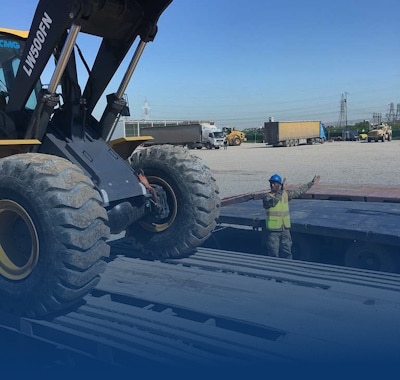
Visual signals guide machinery movement up ramps and onto trailer decks. Our spotters maintain visible positions while ensuring their own safety. Clear hand signals direct operators through limited visibility areas.
Comprehensive walkthroughs occur before transport vehicle arrivals. We inspect sites for cleanliness and readiness. Final checks verify equipment condition and review assigned tasks.
Our communication systems utilize CB and two-way radios throughout hauling operations. Transport trucks coordinate with escort vehicles for prompt updates. These protocols maintain constant contact during movement.
Industry standards guide our en route inspection schedule. We conduct check-ins during the first 50 miles of travel. Additional inspections occur every three hours or 150 miles.
Driver changes trigger full documented inspections at each duty station. This meticulous process ensures continuous monitoring throughout the journey. Our team maintains vigilance from departure to destination.
Final Thoughts on Safe and Efficient Heavy Equipment Transport
Our comprehensive approach to asset protection demonstrates the power of integrated safety systems. We combine meticulous planning with proven best practices throughout every phase of operations. This methodology ensures reliable outcomes for valuable industrial machinery.
The strategies we employ address the complete spectrum of challenges. From proper securing techniques to advanced route planning, each element contributes to successful hauling services. Our commitment extends beyond basic requirements to encompass proactive risk management.
Effective transportation depends on skilled personnel and systematic processes. We maintain the highest safety standards while maximizing operational efficiency. Partnering with experienced providers ensures your assets receive the protection they deserve.
Reliable equipment movement forms the foundation of industrial success. Our integrated approach delivers peace of mind through every journey. We stand ready to support your heavy equipment needs with expertise and dedication.
FAQ
What are the primary concerns when hauling industrial machinery?
Our main concerns involve ensuring load stability, securing proper permits, and navigating route-specific challenges. We focus on meticulous planning to address these areas effectively.
How does your team handle oversized loads?
We manage oversized cargo by conducting detailed route surveys and obtaining all required state permits. Our process includes coordinating with escorts to ensure safe passage.
What steps are taken to protect machinery during transit?
We employ heavy-duty securing tools and protective covers. Our crews perform rigorous inspections before departure to safeguard against damage.
How do weather conditions affect transportation schedules?
Adverse conditions may require rescheduling for safety. We monitor forecasts closely and have contingency plans to minimize delays while prioritizing security.
What training do your operators undergo?
Our personnel receive comprehensive instruction on safety standards and equipment handling. Continuous training ensures our team stays current with best practices.
Are there specific regulations for construction equipment hauling?
Yes, regulations vary by state and load dimensions. We handle all compliance requirements, securing necessary documentation to meet legal standards.
How is load weight distribution calculated?
We use advanced tools to calculate distribution precisely. Proper balancing is critical for vehicle stability and road safety during operations.
What security measures prevent theft?
We utilize GPS tracking and surveillance systems. These technologies allow real-time monitoring and rapid response to any security issues.