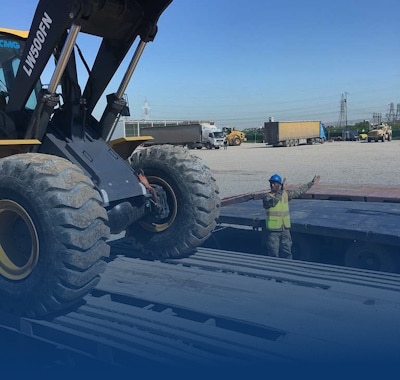
Navigating Tire Loader Transport Challenges in Cold-Weather States with Ease.
Freedom Heavy Haul can offer expedited Pickup and Delivery for any size shipment anywhere in the USA. Contact us today for No Hassle, No Pressure Pricing.
We understand that moving heavy equipment during the winter months presents unique complications. These situations demand specialized knowledge and strategic planning. This is especially true in northern regions where conditions become particularly harsh.
From November through April, the heavy hauling industry undergoes a stark transformation. This shift directly impacts operations across the northernmost U.S. states. The season brings a new set of rules for success.
These obstacles extend beyond simple weather inconveniences. They encompass safety considerations, equipment vulnerabilities, and logistical complexities. Expert navigation is required to manage these factors effectively.
Our decades of experience provide comprehensive insights. We know how winter affects every aspect of moving machinery safely and efficiently. We’ve developed proven strategies to maintain supply chains.
This guide offers actionable information about the specific obstacles you’ll face. We detail the solutions refined through years of successful cold-weather operations. Our goal is to help you meet project deadlines.
We will walk you through understanding extreme temperatures. You will learn how they affect equipment performance. We also cover technology solutions that keep shipments on schedule.
The Impact of Winter Weather on Freight Transportation
Winter’s arrival fundamentally reshapes the freight transportation landscape across northern regions. From November through April, operations undergo a dramatic transformation that affects every aspect of movement.
The impact extends beyond simple schedule adjustments. It touches safety protocols, equipment requirements, and overall efficiency standards.
Reduced Visibility and Safety Risks
Shorter daylight hours significantly reduce visibility for drivers. This limitation becomes critical when handling oversized equipment that requires daylight-only movement.
Safety concerns escalate when roads become covered with snow and ice. These conditions demand greater stopping distances and careful maneuvering.
Seasonal Delays and Increased Operational Costs
Winter weather events frequently cause significant delays. Road closures and traffic bottlenecks disrupt carefully planned schedules.
Additional expenses arise from multiple factors during severe weather conditions. These include specialized equipment and enhanced safety measures.
| Operational Factor | Normal Conditions | Winter Conditions | Impact Level |
|---|---|---|---|
| Daily Operating Hours | 12-14 hours | 8-10 hours | High |
| Route Reliability | 95%+ | 70-80% | Medium-High |
| Safety Incident Risk | Standard | Elevated | High |
| Fuel Efficiency | Optimal | Reduced 15-20% | Medium |
| Equipment Maintenance | Regular schedule | Increased frequency | Medium-High |
We account for these weather-related costs when planning operations. Our approach ensures clients understand the genuine resources required for safe winter movement.
Addressing Tire Loader Transport Challenges in Cold-Weather States
When mercury plummets below freezing, every component of heavy hauling operations faces unprecedented stress. We approach these conditions with specialized protocols developed through decades of northern state experience.
Key Operational and Maintenance Risks
Sub-zero temperatures create a perfect storm for mechanical failures. Diesel engines lose efficiency while batteries suffer reduced capacity. Thickened oil increases friction between moving parts.
Our maintenance teams implement rigorous winterization procedures. These address the unique demands of extreme cold.
| Mechanical System | Normal Function | Winter Performance | Risk Level |
|---|---|---|---|
| Diesel Engine | Optimal combustion | Reduced efficiency | High |
| Battery Power | Full capacity | Substantial reduction | High |
| Hydraulic Systems | Smooth operation | Fluid thickening | Medium-High |
| Tire Pressure | Stable inflation | Pressure drops | Medium |
Understanding Cold-Weather Effects on Vehicle Performance
Equipment performance degrades significantly in severe winter conditions. Antifreeze concentrations require careful monitoring. Tire pressure adjustments become critical with denser cold air.
We maintain comprehensive checklists for every vehicle. These ensure proper preparation for below-zero operations.
“The difference between successful winter transport and breakdowns often comes down to preparation depth. Every system requires specific attention when temperatures drop.”
Our approach recognizes that risks compound during ice storms. We prepare for simultaneous equipment and road condition challenges.
Efficient Transport Methods in Extreme Winter Conditions
Strategic planning combined with cutting-edge tools creates reliable pathways through winter’s toughest conditions. We transform potential disruptions into manageable variables.
Leveraging Forecasting Tools and Telematics
Advanced prediction systems give us multiple-day visibility into developing weather patterns. This technology allows proactive schedule adjustments before storms arrive.
Our telematics platforms deliver real-time temperature and road condition data. Managers make informed decisions using live equipment performance metrics.
Optimizing Routes to Reduce Transit Time
Route planning during severe winter months requires sophisticated analysis. We identify alternative corridors that maintain better road conditions.
Predictive analytics help us avoid areas heavily impacted by seasonal disruptions. This approach minimizes exposure to hazardous weather while maintaining progress.
| Planning Aspect | Traditional Approach | Technology-Enhanced Method | Efficiency Gain |
|---|---|---|---|
| Weather Awareness | 24-48 hour forecasts | 5-7 day predictive models | High |
| Route Adjustments | Reactive changes | Proactive optimization | Medium-High |
| Delivery Reliability | 70-80% | 90-95% | High |
| Transit Time | Variable +15-25% | Consistent +5-10% | Medium-High |
Our commitment to efficiency means continuous evaluation of new methodologies. We maintain safety standards while improving delivery reliability.
Mitigation Strategies for Seasonal Transport Disruptions
Our comprehensive strategy for minimizing winter weather impacts focuses on two critical pillars: skilled personnel and fortified equipment. We build resilience against seasonal disruptions through coordinated efforts.
Driver Training and Safety Protocols
We invest heavily in specialized training programs for our drivers. These sessions cover advanced techniques for navigating snowy and icy conditions.
Our safety measures include increased following distances and controlled acceleration. Drivers learn proper responses to skidding and emergency situations.
This training ensures personnel can handle unexpected winter storms confidently. It significantly reduces weather-related delays.
Proactive Maintenance and Infrastructure Fortification
Equipment winterization represents our second critical defense layer. We implement rigorous inspection schedules before the season begins.
Vehicles receive enhanced traction systems and verified heating functionality. We maintain constant awareness of road conditions along key routes.
Our teams coordinate with maintenance authorities about snow removal priorities. This proactive approach minimizes infrastructure-related disruptions.
| Mitigation Strategy | Primary Focus | Effectiveness Rating | Implementation Timeline |
|---|---|---|---|
| Driver Winter Training | Safety & Skill Development | High | Pre-Season |
| Vehicle Winterization | Equipment Reliability | High | Ongoing |
| Route Infrastructure Monitoring | Delay Prevention | Medium-High | Continuous |
| Emergency Response Protocols | Risk Management | High | Year-Round |
Navigating Cold Chain Logistics and Equipment Vulnerabilities
Maintaining temperature-sensitive supply chains during frigid months demands specialized approaches. These address both refrigeration and broader equipment reliability concerns.
Innovations in Refrigeration and Temperature Control
We study successful cold chain operations for valuable insights. The Turkey Hill and Ryder partnership demonstrates measurable benefits.
Their fleet upgrade improved fuel efficiency from 6.6 to 7.1 miles per gallon. This saved over 36,000 gallons of fuel annually.
Strategic Partnerships for Upgraded Fleet Operations
Collaborating with expert providers ensures optimal vehicle performance. These partnerships deliver comprehensive maintenance programs.
They provide the tools and training needed for reliable winter operations. This approach minimizes downtime across the entire supply chain.
Using Technology for Real-Time Monitoring
Advanced tracking systems offer unprecedented visibility into equipment conditions. We monitor both vehicle performance and cargo status.
This technology helps identify potential issues before they escalate. It ensures timely interventions during critical transport operations.
Best Practices for Operational Efficiency During Winter Months
Proactive preparation forms the foundation of effective winter logistics management. We implement comprehensive strategies that anticipate seasonal changes before they impact operations.
Our approach ensures consistent performance despite harsh conditions. We focus on maintaining supply chain continuity throughout the coldest months.
Effective Fleet Management and Contingency Planning
We begin winter readiness programs weeks before the season starts. Vehicle inspections and system upgrades occur on a strict schedule.
Our teams verify all equipment meets cold-weather specifications. Backup systems are tested to ensure reliability during extreme conditions.
Contingency planning addresses potential disruptions to shipments. We maintain alternative route options and flexible scheduling protocols.
| Winter Preparedness Area | Standard Practice | Enhanced Winter Protocol | Efficiency Impact |
|---|---|---|---|
| Vehicle Readiness | Basic maintenance | Comprehensive winterization | High |
| Route Planning | Standard routes | Multi-option contingency | Medium-High |
| Communication | Reactive updates | Proactive notifications | High |
| Delivery Reliability | Seasonal variations | Consistent performance | High |
We maintain clear communication with clients throughout the winter months. This ensures realistic expectations about delivery timelines.
Our methods balance speed with safety considerations. We prioritize equipment condition and predictable costs for all operations.
Wrapping Up: Key Insights and Future Outlook for Winter Transport
Mastering winter operations represents an ongoing commitment to innovation and operational excellence. We blend time-tested strategies with emerging technologies to ensure reliable delivery throughout the challenging season.
Advanced forecasting and real-time monitoring systems enhance our response to severe weather conditions. These tools work alongside our experienced team’s judgment, creating a powerful synergy for navigating storms and maintaining safety.
Our approach ensures your transportation needs meet consistent efficiency standards, even during the toughest winter months. We remain your trusted partner for navigating complex logistical demands with confidence and reliability.
FAQ
How does severe weather impact the safety of heavy equipment transportation?
Winter conditions like snow and ice significantly increase safety risks. Reduced visibility and slippery roads demand heightened driver awareness. We implement strict safety protocols and advanced telematics to monitor road conditions in real-time, ensuring the secure transit of your assets.
What operational costs typically rise during the winter months?
Costs often increase due to seasonal delays, longer transit times, and the need for specialized equipment like tire chains. Proactive maintenance to combat cold-weather effects on vehicle performance also adds to expenses. However, our route optimization strategies help mitigate these costs and maintain efficiency.
How do you handle potential delays caused by storms and road closures?
We leverage advanced forecasting tools and maintain flexible contingency plans. By optimizing routes and using real-time monitoring technology, we can proactively reroute shipments to avoid disruptions. This minimizes delays and protects your supply chain timeline.
What specific risks do cold temperatures pose to the vehicles and cargo?
Extremely low temperatures can affect vehicle batteries, hydraulics, and tire pressure, leading to potential breakdowns. For cargo, the integrity of cold chain logistics is critical. Our fleet undergoes proactive maintenance, and we use innovations in refrigeration for precise temperature control throughout transit.
What technologies are used for real-time monitoring during winter transport?
We utilize GPS telematics and specialized monitoring systems. This technology provides live updates on vehicle location, road conditions, and cargo status. It allows us to make immediate adjustments, enhancing safety and delivery accuracy despite challenging weather.
How does driver training specifically address winter challenges?
Our drivers receive specialized training for navigating icy roads, managing reduced visibility, and executing safety protocols. This expert preparation is crucial for handling the unique demands of the season, reducing accident risk, and ensuring reliable service.
Why are strategic partnerships important for fleet operations in winter?
Collaborating with trusted partners gives us access to upgraded equipment and shared resources. This is vital for maintaining service levels during peak season disruptions. Strong partnerships strengthen our entire logistics network, ensuring consistent performance.