If you’ve ever hauled freight through North Carolina, you know that weight limits aren’t just suggestions. They’re enforced hard, and for good reason. I’ve seen truckers get hit with fines that made their eyes water, all because they didn’t understand the state’s weight regulations or thought they could skip the weigh station.
Let me walk you through everything you need to know about North Carolina truck weight limits, so you can keep your rig legal, your cargo safe, and your wallet intact.
Why North Carolina Takes Weight Limits Seriously
North Carolina’s roads and bridges weren’t built to handle unlimited weight. Every pound over the legal limit accelerates pavement degradation, stresses bridge structures, and increases the risk of catastrophic failures. The state has over 78,000 miles of public roads, and maintaining them costs taxpayers hundreds of millions annually.
When trucks exceed weight limits, the damage isn’t linear. It’s exponential. A truck that’s 20% overweight can cause up to 300% more road damage than a legal-weight vehicle. That’s why enforcement is strict and penalties are steep.
By adhering to these limits, truckers contribute to the longevity of road infrastructure and minimize the risk of accidents caused by overloaded vehicles.
Understanding Legal Tractor Trailer Weight in North Carolina

North Carolina follows federal bridge law formulas while adding its own state-specific regulations. Here’s what you’re working with:
Single Axle Weight Limits
Your single axle can’t exceed 20,000 pounds. Period. This applies whether you’re running a straight truck or a tractor-trailer combination. The nc weighted tag rules tie directly to this limit, and DOT officers check it religiously at weigh stations.
I’ve seen drivers try to argue that their weight distribution was “close enough.” It never works. You’re either legal or you’re not.
Tandem Axle Regulations
Tandem axles get more breathing room at 34,000 pounds maximum. These are your two axles spaced within a specific distance, typically 40 inches or less between centers. The weight distribution here matters because it affects how your load impacts the road surface.
If you’re running a standard 5-axle semi configuration, your tandems are doing most of the heavy lifting. Understanding how to properly distribute weight between your drive axles and trailer tandems can mean the difference between rolling through the scale house or getting pulled over for a detailed inspection.
Gross Vehicle Weight Explained
The magic number in North Carolina is 80,000 pounds for your total gross vehicle weight (GVW). This includes everything: your tractor, trailer, cargo, fuel, driver, and that half-eaten sandwich in your cab.
But here’s what catches people off guard: the 80,000-pound limit only applies if you meet the federal bridge formula requirements. Your axle spacing, number of axles, and weight distribution all factor into whether you can actually run at max weight legally.
North Carolina Bridge Law Chart Breakdown
The nc bridge law chart isn’t just a bureaucratic headache. It’s designed to prevent concentrated loads from damaging bridge decks and support structures. The formula considers:
- Distance between your first and last axle (overall length)
- Number of axles in your configuration
- Weight distribution across those axles
For a standard 5-axle semi with a 51-foot wheelbase, you can run the full 80,000 pounds. Shorter wheelbases require lighter loads. The formula is: W = 500 × (LN/(N-1) + 12N + 36), where W is maximum weight in pounds, L is distance in feet between axles, and N is number of axles.
Most drivers don’t memorize this formula, but understanding that wheelbase matters helps you plan better.
North Carolina Truck Weight Limits by Vehicle Type
| Vehicle Configuration | Single Axle Max | Tandem Axle Max | Gross Weight Max | Special Notes |
| Single Axle Truck | 20,000 lbs | N/A | Varies by axle count | Common for local delivery |
| Tandem Axle Truck | 20,000 lbs | 34,000 lbs | 54,000 lbs (2 axles) | Must meet bridge formula |
| 3-Axle Combination | 20,000 lbs | 34,000 lbs | 60,000 lbs typical | Depends on spacing |
| 5-Axle Semi (Standard) | 20,000 lbs | 34,000 lbs | 80,000 lbs | Most common config |
| 6-Axle Combination | 20,000 lbs | 34,000 lbs | Up to 88,000 lbs | With proper spacing |
North Carolina Dump Truck Weight Limits: Special Considerations
North carolina dump truck weight limits follow the same basic rules, but dump trucks often run into problems because of how they’re loaded. A loader operator who doesn’t understand weight distribution can overload your truck in seconds.
For dump trucks operating intrastate (staying within NC), you’re still bound by the 20,000/34,000/80,000 framework. However, many dump operators use the weighted plate system, which I’ll explain next.
The NC Weighted Plate System Explained
The weighted plate nc system is unique and confusing if you’re new to the state. When you register a commercial vehicle in North Carolina, you declare a gross vehicle weight rating (GVWR). Your registration fees are based on this declared weight.
Here’s the critical part: you cannot legally operate above your declared weighted plate limit, even if the actual legal limit would allow it.
For example, if you registered your truck with an 60,000-pound weighted plate to save on registration fees, you cannot legally haul 80,000 pounds even if your axle configuration would otherwise allow it. Your plate weight is your ceiling.
This trips up out-of-state carriers constantly. They assume they can run at federal limits, but North Carolina ties your operating weight to your registration weight.
Non Commercial Vehicle Weight Limits
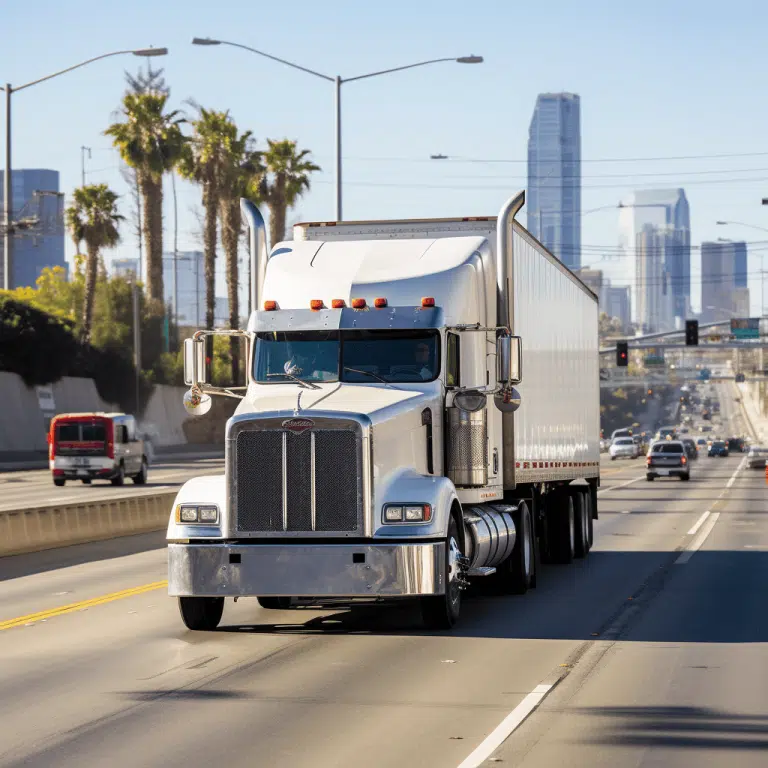
Non commercial vehicle weight limits in North Carolina are more relaxed but still exist. If you’re driving a pickup truck hauling a personal trailer, you’re generally fine as long as you stay under manufacturer ratings and don’t operate commercially.
However, once you cross into commercial operation or exceed 26,001 pounds GVWR, you enter commercial territory and all these regulations apply. The line between personal and commercial use matters more than most people realize.
When You Need Special Permits
Obtaining the necessary permits for oversize or overweight loads involves a detailed application process. But when exactly do you need one?
Annual Overweight Permits
If you regularly haul loads that exceed standard limits, an annual permit might make sense. These permits allow you to operate above the standard 80,000-pound limit (typically up to 90,000-100,000 pounds depending on configuration) but come with requirements:
- Minimum wheelbase specifications
- Restricted routes (you can’t just go anywhere)
- Additional fees based on weight
- Compliance with all safety regulations
Annual permits work well for heavy haul transport service operations that run consistent routes with predictable loads.
Single Trip Permits
For one-off movements of overweight or oversized cargo, single trip permits are your answer. These require:
- Detailed route planning
- Specific travel times (often restricted to daylight, non-peak hours)
- Potential escort requirements
- Engineering analysis for some bridge crossings
The application process takes time. Don’t expect same-day approval for heavy permits. Plan at least 3-5 business days ahead, more for complex loads.
Extended Weight Allowances
With proper permitting, North Carolina allows significantly heavier loads than the standard 80,000 pounds. I’ve seen permitted loads over 200,000 pounds on specialized multi-axle configurations. But the more you exceed standard limits, the more restrictions you face on routing, timing, and operational requirements.
How North Carolina Enforces Weight Limits
The state doesn’t mess around with enforcement. Here’s what you’re facing:
Weigh Stations and Mobile Units
North Carolina operates permanent weigh stations on major corridors and deploys mobile enforcement units throughout the state. The portable scales can pop up anywhere, and they’re increasingly accurate.
If you see that “All Trucks Must Enter” sign at a weigh station, that means you. Bypassing a weigh station is a serious violation that can result in immediate penalties and a much closer inspection of your entire operation.
What Happens When You’re Overweight
Getting caught overweight isn’t cheap. North Carolina assesses fines based on how much you’re over:
- 1-2,000 pounds over: Warning to $250 fine (officer discretion)
- 2,001-5,000 pounds over: $250-$500 plus potential citations
- 5,001-10,000 pounds over: $500-$1,000 plus mandatory offload
- Over 10,000 pounds: $1,000+ plus vehicle impoundment possible, potential criminal charges for gross violations
Plus, you’ll be ordered to offload or redistribute weight before you can continue. Finding a place to legally and safely offload in the middle of nowhere isn’t fun.
Repeat violations can result in your operating authority being suspended, which puts you out of business fast.
Getting Your Permit: Step-by-Step
The North Carolina Department of Transportation handles overweight permits through their Permit Unit. Here’s the real process:
- Gather your information: Vehicle details, axle configuration, total weight, dimensions, route specifics
- Submit application: Online through NCDOT’s system or by paper (online is faster)
- Pay fees: Based on weight, distance, and permit type
- Wait for approval: Can take 3-10 business days depending on complexity
- Receive permit: Must be carried in vehicle during permitted movement
For routine overweight permits on established routes, the process is straightforward. For unusual configurations or routes that include questionable bridges, expect engineering review and possible route restrictions.
Documentation You Must Carry
When operating in North Carolina, keep these documents accessible:
- Current registration showing proper weighted plate
- Bill of lading with accurate weight information
- Any applicable overweight permits
- Current insurance documentation
- Driver’s commercial license
DOT inspectors can request all of these during roadside checks. Having everything organized speeds up the process and shows professionalism.
How Weight Regulations Impact Your Bottom Line
Truck weight limits are essential for ensuring safe and reliable heavy haul transport, but they also directly affect operational efficiency and profitability.
Staying legal means:
- Better fuel efficiency: Overloaded trucks burn more fuel
- Reduced maintenance: Less stress on suspension, brakes, tires
- Lower insurance costs: Clean safety records mean better rates
- Avoided fines: Every violation avoided is money saved
- Maintained operating authority: No suspensions or revocations
Some carriers try to maximize revenue by pushing weight limits. In my experience, the costs of violations, increased maintenance, and reputational damage far outweigh any short-term gains from overloading.
Final Thoughts on Staying Compliant
North Carolina’s weight regulations exist for legitimate reasons. Roads deteriorate, bridges fail, and accidents happen when trucks operate beyond designed limits. The state has invested billions in infrastructure, and weight limits protect that investment while keeping everyone safer.
Understanding the nc weighted tag rules, bridge law requirements, and permit processes isn’t optional if you’re operating commercially in the state. Whether you’re running north carolina dump truck weight limits or managing a heavy haul transport service, compliance starts with knowledge.
Know your axle weights. Understand your configuration’s limits. Get proper permits when needed. Keep your documentation current. And when in doubt, scale your load before hitting the road.
Your reputation, your business, and the safety of everyone sharing the road depend on it.
Frequently Asked Questions
What’s the maximum weight for a semi-truck in North Carolina?
80,000 pounds gross vehicle weight for a standard 5-axle configuration, with single axles limited to 20,000 pounds and tandems to 34,000 pounds. Your actual legal limit depends on axle spacing and bridge formula compliance.
Do I need a permit to haul 85,000 pounds in NC?
Yes. Anything over 80,000 pounds requires an overweight permit. You’ll need either an annual permit for regular heavy hauls or a single trip permit for one-time movements.
What happens if I’m caught overweight in North Carolina?
Fines start around $250 for minor overages and climb past $1,000 for serious violations. You’ll be required to offload immediately, and your vehicle can be impounded if you’re severely overweight. Repeat violations can suspend your operating authority.
What is a weighted plate in North Carolina?
It’s the registered weight capacity of your commercial vehicle tied to your license plate. You cannot legally operate above your declared weighted plate limit, even if the standard legal limit would allow it. Your plate weight determines your registration fees.
Can dump trucks exceed 80,000 pounds in NC?
Only with proper permits. Standard north carolina dump truck weight limits follow the same 80,000-pound cap as other commercial vehicles. However, permitted dump trucks with additional axles can legally haul more weight on approved routes.