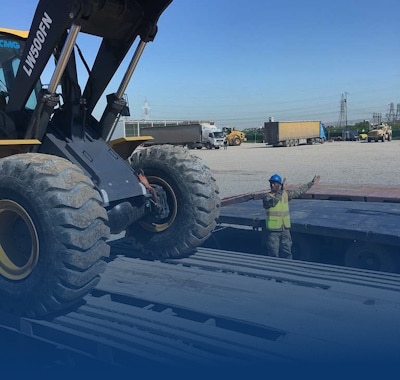
Robotics Revolutionizing Heavy Lift Safety by Eliminating Human Error
Freedom Heavy Haul can offer expedited Pickup and Delivery for any size shipment anywhere in the USA. Contact us today for No Hassle, No Pressure Pricing.
The heavy lifting industry has long faced safety issues. Human error is a big problem. But, industrial robotics is changing this by making things safer.
By using robotics in heavy lifting, companies can cut down on accidents. This keeps workers safe and makes work better and cheaper.
The future of heavy lift safety looks bright with robotics and automation. Companies that use these new technologies will be safer and more competitive.
The Current State of Heavy Lift Operations in Industry
Construction, manufacturing, and shipping need complex lifting to move heavy loads. Despite new tech, these tasks still face big safety and efficiency issues.
Traditional Heavy Lifting Methods and Their Limitations
Old ways of lifting heavy things often involve manual or semi-automated systems. These can fail due to human error or machine breakdown. They need skilled workers to use cranes and other gear.
But, these methods can lead to accidents and waste time. For example, wrong rigging or guessing a load’s weight can cause big problems.
Human Error Statistics in Heavy Lifting Accidents
Many heavy lifting accidents are caused by people making mistakes. Reports show a big part of accidents come from human errors like bad communication, wrong load guesses, and wrong use of equipment.
A study showed that almost 70% of crane accidents are because of people or equipment mistakes. This shows we need better, safer ways to lift things.
Knowing the problems with old lifting methods helps industries move to new, safer tech. This includes using robots to lower risks and boost efficiency.
How Robotics Is Eliminating Human Error in Heavy Lifts
Robotics is changing heavy lifting by cutting down on mistakes. It’s used more in places like construction, making things safer and more efficient.
Robotics helps avoid accidents by taking over the lifting. This means less chance of mistakes because of tiredness or wrong guesses.
Core Technologies Enabling Safer Robotic Lifting
Several key technologies make robotic lifting safer. These include advanced sensors, smart control systems, and strong mechanical parts.
Sensor technology is key. It watches the load and its area in real time. This helps the robot lift safely and well.
| Technology | Description | Benefit |
|---|---|---|
| Advanced Sensors | Detect weight and dimensions of the load | Enhanced safety through real-time monitoring |
| Sophisticated Control Systems | Ensure precise movement and control | Reduced risk of accidents due to precise operation |
| Robust Mechanical Designs | Withstand heavy stresses and loads | Increased durability and reliability |
Precision and Consistency in Automated Lifting Systems
Automated systems are very precise and consistent. They do tasks better than people, lifting things with great accuracy. This means less damage to the load and nearby things.
These systems work well for a long time without getting tired. They keep doing their job well, needing less fixing or changing.
Using robotics in heavy lifting makes things safer, more efficient, and productive. This leads to saving money and being more competitive.
Recent Breakthroughs in Heavy Lift Robotics Technology
Robotics is changing the heavy lift world. New tech makes lifting safer, faster, and more precise. It’s making old ways of lifting better and less reliant on people.
New tech in heavy lift robots is a big step. It includes better load sensing and control, AI, and machine learning. Also, there are collaborative robots (cobots).
Advancements in Load Sensing and Adaptive Control
Modern robots can feel and adjust to different loads. This adaptive control lets them lift safely and efficiently. For example, a robot can change how it holds or lifts something based on its weight and size.
| Feature | Traditional Systems | Advanced Robotic Systems |
|---|---|---|
| Load Sensing | Limited to pre-set configurations | Real-time load detection and adjustment |
| Adaptive Control | Minimal adjustments based on pre-programmed settings | Dynamic adjustments for varying load conditions |
AI and Machine Learning Integration in Lifting Operations
AI and machine learning make robots better at lifting. They learn from doing things, predict problems, and find the best way to lift. This makes lifting smoother and less likely to go wrong.
Collaborative Robots (Cobots) in Heavy Lifting Environments
Cobots work with people to make lifting safer and more efficient. They have sensors and AI to understand and act on their surroundings. This makes them perfect for complex tasks that need both humans and robots.
The future of heavy lift robots is bright. As tech gets better, we’ll see even more advanced robots.
Major Industry Players Developing Heavy Lift Robotics
The heavy lift robotics industry is changing fast. This is thanks to new ideas from big companies and small startups. These changes make things safer, more efficient, and better in many areas.
Leading Manufacturers and Their Flagship Systems
Big names are leading the way in heavy lift robotics. They use new tech to make smart lifting systems.
Boston Dynamics’ Heavy Lift Solutions
Boston Dynamics is a top name in robotics. They make strong and smart robots for heavy lifting. Their robots can do complex tasks well.
ABB and KUKA Industrial Lifting Systems
ABB and KUKA are big in industrial robots. They make lifting systems that fit well with what’s already there. Their work makes things more productive and cheaper to run.
Caterpillar’s Autonomous Lifting Equipment
Caterpillar is known for big machines. Now, they’re making lifting equipment that works on its own. Their goal is to make things safer and more efficient in building and mining.
Emerging Startups Disrupting the Heavy Lift Sector
New startups are also changing the heavy lift robotics world. They can move fast and try new things because they’re small.
Some startups are working on AI for lifting. Others are making robots that work with people. These new ideas could change how we lift things.
Real-World Applications Across Different Industries
Heavy lift robotics is changing many fields, like construction and logistics. It cuts down on mistakes and boosts work speed. This section looks at how heavy lift robotics helps in different areas.
Construction and Infrastructure Development
Robotic heavy lifting is making construction safer and cheaper. Companies like Caterpillar use robots to work better and faster. A report says using robots in construction has cut down on accidents a lot.
Manufacturing and Warehouse Operations
In making things and managing warehouses, robots help a lot. For example, Amazon uses robots to work better and keep workers safe. Amazon’s robotics expert says robots have changed how they work for the better.
“The future of warehouse management is heavily reliant on robotics and automation.”
Shipping, Ports, and Logistics
The shipping and logistics world also gets a boost from robots. Automated cranes and systems make moving cargo faster and safer. The Port of Rotterdam, for instance, works much better with robots.
Case Studies: Successful Implementation of Robotic Heavy Lift Systems
Many industries are now using robotic heavy lift systems. They help make work safer and more efficient. This is true in car making, port work, and building construction.
Automotive Manufacturing Plant Transformation
A big car maker used robotic heavy lift systems to make their production lines better. They saw a 30% reduction in production time and fewer accidents. The system helped keep quality high and output up.
Port Automation Success Stories
Ports around the world are using robotic heavy lift systems to handle cargo better. For example, the Port of Rotterdam got a system that made things 25% more efficient. It works all the time, which really helped productivity.
“The introduction of robotic heavy lift systems has been a game-changer for our operations. We’ve seen a marked improvement in both safety and efficiency.” –
Construction Site Safety Improvements
Construction sites are also seeing benefits from robotic heavy lift systems. A big skyscraper project in New York used these systems. It cut workplace accidents by 40%. The system’s precision reduced the chance of mistakes.
| Industry | Implementation Benefit | Result |
|---|---|---|
| Automotive Manufacturing | Improved Production Efficiency | 30% reduction in production time |
| Port Automation | Increased Operational Efficiency | 25% increase in efficiency |
| Construction | Enhanced Safety | 40% reduction in workplace accidents |
Economic Impact of Robotic Heavy Lifting Solutions
Industries are moving towards automation. Robotic heavy lifting solutions are key for better economic efficiency. They make operations safer and have a big economic impact.
Cost-Benefit Analysis of Implementing Robotic Systems
Getting robotic heavy lifting solutions costs a lot at first. But, the long-term gains are often more than the costs. A detailed cost-benefit analysis shows robots can cut down on labor costs.
They also reduce damage to goods and equipment. And, they lower the cost of safety measures because of human mistakes.
A study by a top industry analyst found something interesting. Companies using robotic heavy lifting saw their operational costs drop by up to 30% in the first two years.
Long-term ROI and Productivity Gains
The return on investment (ROI) for robotic heavy lifting is big. By automating heavy lifting, businesses see big productivity gains. Robots work all the time without stopping, making operations more efficient.
Robots also work with great precision and consistency. This leads to better quality and less waste. So, companies get a big long-term ROI, making the initial cost of robots worth it.
Regulatory Landscape and Safety Standards Evolution
Robotic heavy lifting is growing fast. This means rules need to change to keep up with new tech. It’s important to keep the industry safe and follow the rules.
Current Regulations Governing Robotic Heavy Lifting
Now, rules for robotic heavy lifting are based on old standards for big machines. In the U.S., OSHA sets many safety rules. Important rules include checking machines often, training workers, and making sure loads are right. Here’s a table with more details.
| Regulatory Body | Guideline | Focus Area |
|---|---|---|
| OSHA | Operator Training | Safety Protocols |
| ISO | Equipment Maintenance | Compliance |
How Standards Are Adapting to New Technologies
New tech in robots is making rules change. For example, AI and learning machines need new rules for safety. Standards groups work with companies to make new rules. This way, rules stay up-to-date and help keep everyone safe and creative.
Challenges and Limitations in Robotic Heavy Lift Adoption
Using robotic heavy lift solutions is hard. It faces many technical, building, and people problems. The tech is safer and more efficient, but big obstacles must be cleared for it to be widely used.
Technical Hurdles Still to Overcome
One big problem is the tech’s complexity. Advanced sensors and AI algorithms are needed for safe and precise work. But making and adding these can cost a lot and take a long time.
Integration with Existing Infrastructure
Another big challenge is fitting the tech into current buildings. This means changing warehouses, factories, and building sites to work with the new tech. A careful look at the buildings and needed changes is key.
| Infrastructure Component | Modification Required | Potential Impact |
|---|---|---|
| Flooring | Reinforcement for heavy loads | Ensures stability and safety |
| Ceiling Height | Adjustment for robotic lift height | Allows for efficient operation |
| Power Supply | Upgrade to support robotic systems | Prevents operational downtime |
Workforce Concerns and Training Requirements
The new tech also worries about the workers. People will need to learn how to use and fix these systems. It’s important to invest in comprehensive training programs for a smooth start.
The Future Trajectory of Heavy Lift Robotics
The future of heavy lift robotics is very exciting. New trends and tech will make big changes. More industries will use robots, needing better and smarter systems.
Artificial intelligence (AI) and machine learning (ML) will play a big role. Robots will learn and get better over time. Companies like KUKA and FANUC are already working on AI robots.
New sensors and collaborative robots (cobots) will also shape the future. These will help robots work safely with people. This will make work better and safer.
We’ll see more robots in places like construction, making things, and moving stuff. Robots will make work safer, faster, and better. The future of heavy lift robotics is very promising.
FAQ
What is the role of robotics in enhancing heavy lift safety?
Robotics helps make heavy lifting safer by cutting down on human mistakes. Mistakes are a big reason for accidents. Robots, like those from Boston Dynamics and ABB, lift things with precision and don’t get tired.
How do robotic heavy lift systems improve productivity?
Robots make lifting heavy things faster and more efficient. This is true in places like factories and shipping yards. Robots help move heavy loads quickly, saving time and money.
What are the benefits of using collaborative robots (cobots) in heavy lifting environments?
Cobots make lifting safer and more efficient. They work with people, helping with heavy tasks. This reduces the chance of getting hurt.
What are the technical hurdles still to overcome in robotic heavy lift adoption?
Making robots more precise and reliable is still a challenge. Also, fitting robots into current systems is hard. It takes new tech and training.
How are regulations governing robotic heavy lifting evolving?
Rules for using robots in lifting are changing. They aim to keep things safe and effective. New standards are being made for robotic use in lifting.
What is the economic impact of adopting robotic heavy lifting solutions?
Using robots for lifting can save money and boost work speed. Businesses can weigh the costs and benefits to decide if robots are right for them.
What are the latest advancements in heavy lift robotics technology?
New tech in robots includes better load sensing and control. AI and machine learning are also being used. This makes robots like those from KUKA and Caterpillar more advanced.