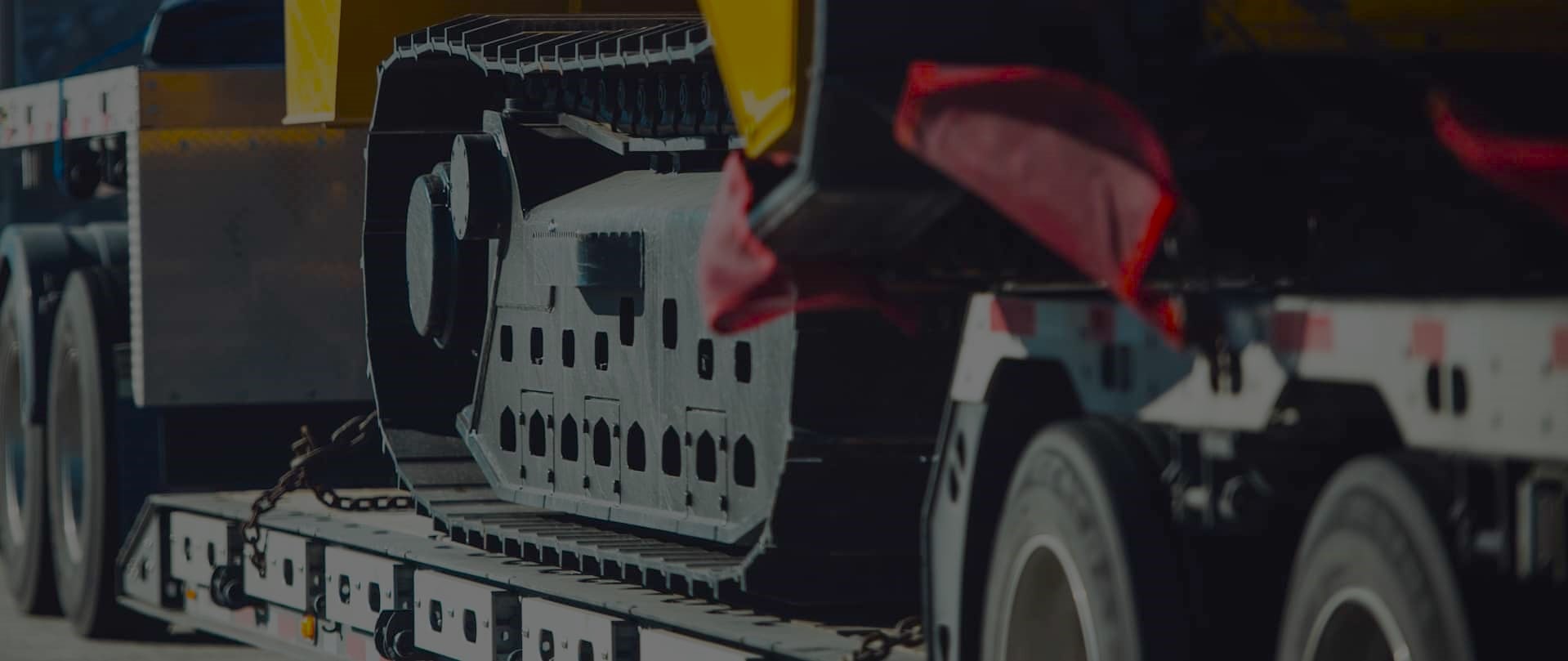
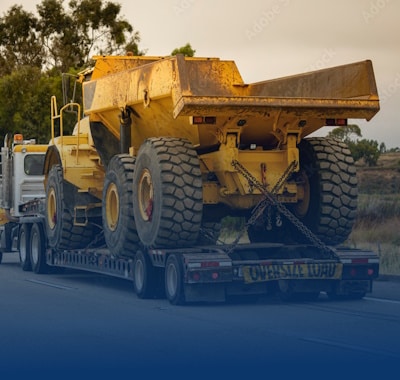
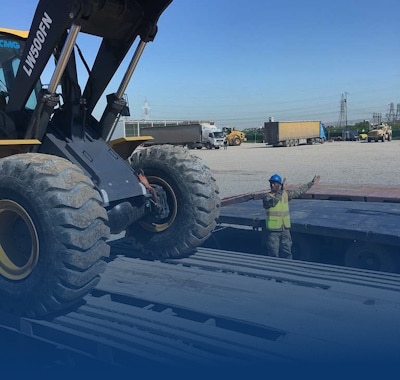
Specialized trailers for dimensional cargo
Freedom Heavy Haul can offer expedited Pickup and Delivery for any size shipment anywhere in the USA. Contact us today for No Hassle, No Pressure Pricing.
Dimensional cargo isn’t just heavy. It is often long, tall, wide, awkwardly shaped, or all three, and that changes everything about how it must be transported. In heavy haul projects, the trailer is part of the engineering because trailer choice directly affects height limits, turning space, axle loading, securement methods, and route feasibility.
This guide explains the main trailer types used for oversized and dimensional cargo and how choosing the right trailer can reduce risk, delays, and transport challenges.
What “dimensional cargo” usually means in real moves
Dimensional cargo refers to loads that exceed standard freight dimensions or present unusual transport challenges. These loads typically include:
- Tall loads that approach or exceed legal height limits and may strike overhead obstacles
- Long loads that require extended turning space and careful route planning
- Wide loads that require escorts and lane control
- High-value or fragile loads that need controlled support and vibration management
Because each load has different risks, the best trailer is the one that reduces the primary constraint, height, length, width, weight distribution, or securement complexity.
The core trailer types used for dimensional freight
1) Step-deck trailers for moderate-height cargo
A step-deck trailer lowers cargo height compared to a flatbed without using a deep well.
Use this when:
- Extra clearance is needed but extreme height reduction is not required
- The load is long and relatively stable
- Simpler loading is preferred
If you are comparing options, see this guide on choosing the right trailer for your heavy haul needs.
2) Lowboy and RGN trailers for heavy machinery
Lowboy and RGN trailers are designed for heavy construction equipment such as excavators, dozers, and loaders. RGN trailers allow drive-on loading because the front detaches.
Use this when:
- Equipment can drive on and off the trailer
- Lower deck height is needed for legal compliance
- Stability is critical for heavy machinery
These trailers are widely used in professional transport operations, as explained in utilizing specialized heavy haul trailers.
3) Double-drop trailers for extreme height control
Double-drop trailers provide a deep well to keep tall cargo as low as possible.
Use this when:
- Height is the main restriction
- Maximum deck drop is required
- Overpass clearance is a major concern
Route planning becomes critical at this stage, especially when navigating low clearances with oversized loads.
4) Extendable (stretch) trailers for long cargo
Stretch trailers are designed for long loads such as beams, pipes, and industrial components.
Use this when:
- The load is long but not extremely heavy
- Multiple support points are required
- Turning radius and rear swing must be managed
These setups affect axle placement and load balance, so they align with axle configurations and load optimization.
5) Platform and perimeter-frame trailers for wide cargo
Platform-style trailers provide a wide, stable base for oversized loads.
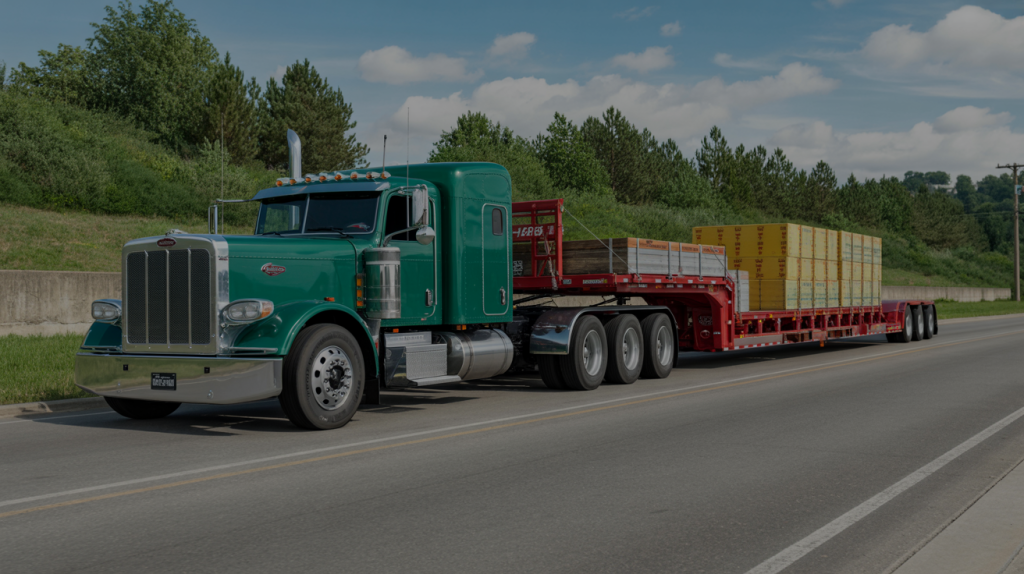
Use this when:
- The load is wide and requires a broad footprint
- Multiple tie-down points are needed
- Standard deck layouts are inefficient
For wide cargo, securement planning must match trailer design to prevent shifting.
6) Specialty trailer systems for engineered projects
Some loads require purpose-built trailer systems, such as transformer cradles or engineered support frames. These systems reduce stress on sensitive cargo while maintaining control.
Use this when:
- Cargo is extremely high value or fragile
- Unique lifting or mounting constraints exist
- Engineering support is required beyond standard securement
At this level, trailer selection must match infrastructure constraints, including bridges, which is covered in bridge engineering considerations for heavy haul transport.
A practical way to choose the right dimensional cargo trailer
Instead of selecting by cargo type, select by constraint:
- Height constraint: Double-drop or lowboy/RGN
- Length constraint: Extendable stretch trailers
- Width constraint: Platform or perimeter-frame trailers with escort planning
- Loading constraint: RGN for drive-on loading
- Axle load constraint: Trailer design must match axle configuration
Once the trailer is selected, axle loading must be verified. Even loads that look balanced can overload axle groups, which is why calculating axle weight distribution for heavy loads is essential.
Why this matters for equipment owners
Companies do not hire heavy haul carriers just for a trailer. They hire confidence.
When a transport provider explains why a specific trailer is used, it shows:
- Risks are identified before the move
- Routes are planned realistically
- Permits and schedules are protected
- Equipment value is safeguarded
That clarity helps decision-makers feel confident hiring a professional carrier.
Final takeaway
Specialized trailers are not optional accessories. They control height, stability, loading methods, axle loading, and route feasibility. When heavy haul projects use the correct trailer and planning strategy, shipments move safer, faster, and with fewer delays.