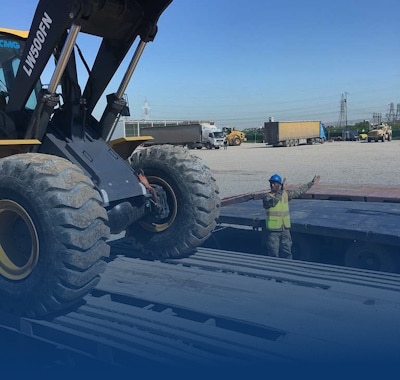
The Rise of AI-Controlled Lifting Systems: Transforming Industry
Freedom Heavy Haul can offer expedited Pickup and Delivery for any size shipment anywhere in the USA. Contact us today for No Hassle, No Pressure Pricing.
Industries are changing fast with AI-Controlled Lifting Systems. These new systems are making lifting safer and more efficient.
Artificial intelligence in Industrial Lifting is not just a trend. It’s a must for companies to stay ahead. AI helps make work better and safer.
This change is big for many industries. It lets businesses use new tech for better results. Looking at AI-controlled lifting systems now and in the future shows they’re key for the industry’s future.
The Current State of Industrial Lifting Systems
As industries grow, they need better and more efficient ways to lift things. The lifting sector is key in making things, building, and moving goods. It’s at a turning point, with old and new techs mixed together.
Traditional Lifting Technologies and Their Limitations
Old lifting techs like cranes and hoists have been around for a long time. But, they have big problems. They can break down, work poorly, and are not safe.
For example, people can make mistakes when they lift things by hand. And, not being able to watch things in real time can cause accidents.
Also, these old systems don’t fit the needs of today’s fast-paced industries. This makes things less productive and more expensive.
The Need for Smarter Lifting Solutions
Now, industries really need smarter lifting ways. They want to be more efficient, safe, and productive. New techs like AI and IoT can help a lot.
These new systems can watch things in real time, fix problems before they start, and work better. They can make things safer, more efficient, and cheaper. As we move towards Industry 4.0, using these smart systems is not just a good idea. It’s a must to stay ahead.
Understanding The Rise of AI-Controlled Lifting Systems
The use of AI in lifting tech is growing fast. It’s making work safer and more efficient. AI systems are leading this change, improving how things are lifted.
What Makes a Lifting System “AI-Controlled”
An AI-controlled lifting system uses smart tech to work better. Artificial intelligence helps it learn and make smart choices fast. It uses cool sensors and computers to do this.
This tech helps avoid problems before they start. It makes lifting safer and more efficient.
Key Technological Components
AI lifting systems have a few important parts. These parts help them work well.
Sensors and Data Collection Systems
Sensors are key for collecting data. They track things like how heavy the load is and where it is. This info helps the AI make good choices.
Processing Units and Decision-Making Algorithms
Computers analyze the data from sensors. They use special programs to figure out the best action. These programs aim to make lifting safer and more precise.
| Technological Component | Function | Benefit |
|---|---|---|
| Sensors | Data Collection | Real-time Monitoring |
| Processing Units | Data Analysis | Informed Decision-Making |
| Decision-Making Algorithms | Optimizing Operations | Enhanced Efficiency and Safety |
Recent Breakthroughs in AI Lifting Technology
AI-controlled lifting systems are changing how we work. They make things safer and more efficient. New tech in AI lifting is big, thanks to machine learning and computer vision.
These tools help manage heavy loads better. They also make work safer and more productive.
Machine Learning Algorithms for Load Management
Machine learning is key for better load management. It uses data from sensors and past lifts to predict and adjust. This makes lifting safer and more efficient.
Machine learning lets systems learn and get better over time.
Computer Vision Integration in Lifting Operations
Computer vision is important for AI lifting. It lets the system see its surroundings. Cameras and sensors send data to help it understand and decide.
Object Recognition and Spatial Awareness
Computer vision helps with recognizing objects and knowing where they are. This is vital for safe and precise lifting. It helps avoid accidents.
Real-Time Monitoring and Adjustment
Computer vision also lets the system watch and adjust lifting in real-time. This makes sure things go as planned. It makes work safer and more reliable.
Leading Companies Pioneering AI Lifting Solutions
AI is changing lifting in industries. Big companies and new startups are leading this change. They use AI to make lifting safer, more efficient, and reliable.
Established Industrial Players Entering the AI Space
Big industrial names are now using AI in lifting. Konecranes and Terex are using their experience to make AI-controlled systems. For example, Konecranes uses AI to make crane work safer and better.
They use AI for predictive maintenance and better load management. This shows AI’s power in industry.
These big companies bring a lot of knowledge and success. They show AI is worth trying. Their support will help AI grow more.
Startups Disrupting the Lifting Industry
Startups are also changing lifting with AI. Companies like Modular AI and LiftTech create new AI solutions. They are quick to use the newest AI and machine learning.
Startups focus on specific needs in lifting. They offer unique solutions that big companies might miss. Their fresh ideas help AI lifting systems grow.
Real-World Implementation Case Studies
AI-controlled lifting systems are changing many industries. We can learn a lot by looking at how they work in manufacturing, construction, and warehouses. These examples show us the good and the challenges of using AI.
Manufacturing Sector Applications
In manufacturing, AI helps make things faster and safer. For example, a big car maker used AI robots to move heavy parts. This cut their work time by 30% and made the workplace safer.
- Improved precision in component handling
- Enhanced worker safety through automated risk assessment
- Increased production flexibility with adaptable AI algorithms
A report by McKinsey says AI can make manufacturing 20-30% more productive. This shows how AI can really change how things are made.
Construction Industry Adoption
The construction world is also seeing big benefits from AI. For example, a big skyscraper in New York used AI cranes to lift heavy stuff. This made the work safer and faster.
“The use of AI-controlled cranes has been a game-changer for our project, allowing us to lift heavy loads with unprecedented precision and safety.”
Using AI in construction has led to:
- Less manual work and fewer risks
- Projects finish faster because of better lifting
- It’s safer because AI watches over the site
Warehouse and Logistics Integration
In warehouses and logistics, AI makes things run smoother. For instance, a big online store used AI robots to pack orders faster. They got their orders done 25% quicker.
AI in warehouses makes things more efficient. It also helps companies stay ahead in a fast-changing market. Experts say AI and automation will keep growing in logistics.
Benefits and Advantages of AI-Controlled Lifting
AI in lifting systems is changing how we work. It makes things safer, more efficient, and cheaper.
Enhanced Safety Protocols and Accident Prevention
AI-Controlled Lifting makes things safer. It uses smart sensors and checks data fast to stop accidents before they happen. For example, it can spot problems with loads or machines and stop work to avoid accidents.
This makes workplaces safer for everyone.
Operational Efficiency and Productivity Gains
AI-Controlled Lifting also makes work better. It makes lifting faster and more precise. This means less time waiting and more work done.
Key benefits include:
- Less time waiting for lifting to finish
- More accurate handling of loads
- Better management of work flow
This leads to more work getting done, helping meet demands better.
Cost Reduction and ROI Analysis
Using AI-Controlled Lifting can save a lot of money. It cuts down on accidents, less downtime, and better work flow. This means big savings for companies.
- Less money for repairs
- Lower insurance costs because of better safety
- More work done
Companies that use AI-Controlled Lifting see big savings. It’s a smart choice for updating.
Challenges and Concerns in AI Lifting Implementation
Using AI in lifting tech comes with big challenges. These include tech, training, and rules issues. Companies wanting to use AI in lifting need to tackle these problems to make the switch easy.
Technical Hurdles and Integration Issues
One big problem is making AI work with old systems. This means fixing old machines and setting up new tech for AI.
- Ensuring AI systems talk to old machines smoothly.
- Updating places to work with new AI tech.
- Keeping data safe and private.
Workforce Training and Adaptation
Teaching workers to use AI is another big challenge. It’s not just about learning new skills. It’s also about getting workers to trust and use AI.
- Creating good training programs.
- Helping workers get used to new things.
- Keeping AI systems up to date.
Regulatory and Compliance Considerations
Lastly, there are lots of rules to follow with AI. Companies must follow current laws and keep up with new ones.
- Knowing the laws about AI.
- Being open and fair with AI choices.
- Keeping up with new rules.
How AI Lifting Systems Are Reshaping Industrial Operations
AI is changing how we lift things in industries. It makes things safer, more efficient, and productive. This new tech is altering how we work and interact with each other.
Changes to Workflow and Process Design
AI lifting systems are changing how we do things in factories. They help predict when things need fixing, so we don’t have to stop work as much. This means we can lift things better and safer.
AI also lets us change how we make things quickly. This is great because things change fast in today’s world. Being able to adjust quickly can really help us stay ahead.
Impact on Industrial Workforce Dynamics
AI lifting systems are changing how we work. They need people who know how to use them. This means we need to learn new things.
New Skill Requirements for Operators
Now, workers need to know how to take care of AI systems. They need to know both tech stuff and how to do things practically. This means we need special training to work well with AI.
Collaboration Between Human Workers and AI Systems
Working with AI is changing how we do things. It lets us do better and safer. Working together makes us more flexible and ready for change.
| Aspect | Traditional Lifting Systems | AI Lifting Systems |
|---|---|---|
| Operational Efficiency | Limited by manual operation and maintenance schedules | Enhanced through predictive maintenance and real-time monitoring |
| Safety | Dependent on operator skill and adherence to safety protocols | Improved through AI-driven risk assessment and accident prevention |
| Workforce Skills | Requires manual handling and basic mechanical knowledge | Demands proficiency in AI system management and maintenance |
The Transformative Path Forward: AI Lifting Systems in Tomorrow’s Industry
AI-controlled lifting systems are changing the game in industries. They are making things more efficient and safe. This is a big step forward for the future.
AI in lifting is getting better with new tech. More money is going into AI, so we’ll see even more cool stuff. It will change how we do things in many areas.
For AI lifting to work, we need to keep innovating. We must be open to new tech. This will help industries grow and stay ahead in a tough world market.
FAQ
What is an AI-controlled lifting system?
An AI-controlled lifting system uses smart tech to lift things better. It makes lifting safer and more precise.
How do AI-controlled lifting systems improve safety?
They make lifting safer by using smart tech. This tech watches and adjusts in real time. It lowers accident risks.
What are the key technological components of AI-controlled lifting systems?
They have advanced sensors and data systems. These help make quick decisions.
How are machine learning algorithms used in AI lifting technology?
Machine learning helps manage loads better. It learns from data to get better over time.
What industries are adopting AI-controlled lifting systems?
Many like manufacturing, construction, and warehouses. They use it to work better and safer.
What are the benefits of implementing AI-controlled lifting systems?
They make things safer and work better. They also save money and improve how things get done.
What challenges are associated with implementing AI-controlled lifting systems?
There are tech and training hurdles. Also, fitting into rules and getting everyone on board is hard.
How are AI lifting systems reshaping industrial operations?
They change how things get done and who does them. They need new skills for people to work with AI.
What is the future of AI-controlled lifting systems?
The future is bright with more tech and investment. They will change many industries around the world.