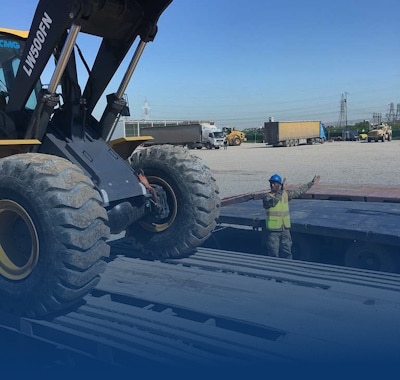
The Silent Revolution: Moving the World’s Heaviest Machines
Freedom Heavy Haul can offer expedited Pickup and Delivery for any size shipment anywhere in the USA. Contact us today for No Hassle, No Pressure Pricing.
Moving big industrial equipment needs precision engineering and careful planning. It’s all about knowing the machine’s size, weight, and how delicate it is.
Transporting heavy machinery is a tough job that needs special skills and tools. Companies like Mammoet and ALE Heavylift are leaders in this field. They take on big projects that show what’s possible.
The silent revolution in moving heavy machines comes from new tech and creative engineering. This lets us move big machines safely and efficiently. It helps with big industrial projects all over the world.
The Engineering Marvel Behind Moving Massive Machinery
The heavy transport industry has changed a lot. It now uses precision engineering instead of brute force. This change helps move big machinery safely and efficiently.
Historical Challenges of Heavy Transport
Old days of heavy transport were tough. It faced many challenges like hard terrains and bad roads. Using brute force often damaged the machines and the area around them.
It took a lot of people and simple tools to move heavy equipment. This made the job slow and expensive.
| Challenge | Description | Historical Approach |
|---|---|---|
| Terrain Difficulty | Navigating through challenging landscapes | Manual labor and simple tools |
| Infrastructure Limitations | Bridges and roads not designed for heavy loads | Reinforcing roads and bridges |
| Environmental Concerns | Potential damage to the environment | Limited environmental assessments |
The Evolution from Brute Force to Precision Engineering
The heavy transport industry has changed a lot. Now, it uses precision engineering. This new way makes moving big things better, safer, and cheaper.
With new tech like GPS and better hydraulic systems, moving big things is now more precise. This change is seen in moving huge structures safely and efficiently.
The Silent Revolution Moving the World’s Heaviest Machines
A quiet change is happening in heavy transport. It’s all about new tech and smart designs. This change is making the industry better.
How Modern Technology Has Transformed Heavy Transport
New tech has made heavy transport better. Advanced computer simulations and real-time monitoring systems help move big things. They make it easier to go through tough places.
GPS and telematics help track things. This cuts down on delays and accidents. It makes moving big loads safer.
Hydraulic systems and strand jacks help move things around. They make it possible to do more complex jobs. This gives us more confidence in our work.
The Key Players Leading the Revolution
Some big names are leading this change. Companies like Mammoet and Scheuerle are leading the way. They offer new solutions and tools like Self-Propelled Modular Transporters (SPMTs).
They don’t just make the tech. They also set high standards for safety and doing things right.
Other important players are engineering firms. They design and carry out big transport projects. They work with others to make sure things go well.
Self-Propelled Modular Transporters: The Workhorses of Heavy Lifting
Self-Propelled Modular Transporters (SPMTs) have changed the heavy lifting world. They can move huge loads easily and precisely. These machines are key in construction, making, and energy.
SPMTs are very flexible and controlled. They can safely move big and heavy things. Their design changes for each project, making them very useful.
Mammoet and Scheuerle: Industry Leaders in SPMT Technology
Mammoet and Scheuerle lead in SPMT tech. Mammoet does big projects all over. Scheuerle makes SPMTs that move well and carry a lot.
- Mammoet is great at complex transport.
- Scheuerle’s SPMTs are top-notch.
How Thousands of Wheels Work in Perfect Harmony
SPMTs move loads smoothly with thousands of wheels. This spreads the weight and makes moving easier. Computers control the wheels for perfect movement.
They work well because of smart systems. These systems help steer and adjust the wheels.
Case Study: Moving the Endeavour Space Shuttle
Moving the Endeavour Space Shuttle was a big job. SPMTs were used to get it from the airport to its new home. This showed SPMTs can handle big challenges.
“The Endeavour Space Shuttle move showed how far heavy transport has come. It shows SPMTs can handle big and sensitive loads with care.”
Hydraulic Sliding Systems and Strand Jacks: Moving Giants Inch by Inch
Moving big things needs to be done carefully. This is where hydraulic sliding systems and strand jacks come in. They help move huge weights safely and efficiently.
The Physics Behind Controlled Movement
Hydraulic sliding systems use water pressure to push heavy loads. They spread this force out to control the movement well. Strand jacks lift and pull with steel strands, giving a strong and precise way to move things.
Key parts of hydraulic sliding systems are:
- Hydraulic pumps
- Sliding shoes or Teflon pads
- Guiding systems
Together, these parts help move big things smoothly and safely. These things can weigh thousands of tons.
Notable Projects
Many big projects have used these systems. For example, moving old buildings and bridges. These technologies help keep the structures safe during the move.
“The use of hydraulic sliding systems and strand jacks has enabled us to relocate massive structures with unprecedented precision and safety.” – John Smith, Project Manager
| Project | Weight | Distance |
|---|---|---|
| Historic Bridge Relocation | 2,000 tons | 500 meters |
| Building Relocation | 1,500 tons | 300 meters |
These projects show how good hydraulic sliding systems and strand jacks are. They can handle tough moving jobs.
Record-Breaking Machine Relocations That Made Headlines
Moving big machines is a huge challenge. It shows how far technology has come. It also shows the hard work of engineers and transport experts.
The 13,000-ton Bagger 288 Excavator’s 22km Journey
The Bagger 288 excavator is huge, weighing about 13,000 tons. It was moved 22 kilometers. Self-Propelled Modular Transporters (SPMTs) were used for this big job.
Moving Offshore Oil Platforms: The Troll A Platform Transport
The Troll A Platform is really big. It was moved from the shore to the sea. This needed complex logistical planning and special ships.
Nuclear Reactor Vessel Transportation Challenges
Moving nuclear reactor vessels is tricky. They need special care because they’re very sensitive. Special tools and safety rules are used to move them safely.
Safety and Precision: The Non-Negotiables of Heavy Transport
The heavy transport industry knows safety and precision are key. As projects get bigger, the need for better systems grows. These systems help move huge machines safely and accurately.
Advanced Monitoring Systems and Redundancy Protocols
Advanced monitoring systems are vital for safety and precision. They use real-time data to check the cargo’s condition and position. This lets teams make quick changes if needed. Redundancy protocols also help, providing backup systems in case of failures.
These systems are crucial when moving big industrial equipment. A small mistake could cause big damage or loss.
| System | Function | Benefit |
|---|---|---|
| GPS Tracking | Real-time location monitoring | Enhanced precision and control |
| Load Monitoring | Weight and stress analysis | Reduced risk of overloading |
| Redundancy Protocols | Backup systems for critical components | Increased safety through fail-safes |
The Role of Weather Forecasting and Environmental Assessment
Weather forecasting and environmental assessment are key in heavy transport planning. Accurate weather forecasts help teams prepare for weather dangers. Environmental assessments find risks to the environment and help plan how to avoid them.
Using advanced weather forecasting and environmental assessments helps reduce risks. This ensures the cargo is safe and the environment is protected.
The Economic Transformation Driven by Mobility
Moving heavy machinery is changing the world. It’s making big changes in the economy. Companies are using new ways to move things, breaking down old barriers.
This change is big for the global economy. It lets businesses change fast to meet new needs. Moving big stuff without building new places is cheaper and better for the planet.
How Relocatable Factories Are Changing Manufacturing
Relocatable factories are leading this big change. They use special machines to move whole factories to better places. This lets companies find better deals or get closer to customers.
“The flexibility to move our manufacturing operations has been a game-changer for our business, allowing us to respond rapidly to shifts in demand and supply chain disruptions.”
This makes the world of making things more flexible. Companies can change fast to meet new market needs.
The Cost-Benefit Analysis of Modern Transport vs. New Construction
When moving big stuff, cost and time are key. Let’s look at how moving compares to building new:
| Factor | Modern Transport | New Construction |
|---|---|---|
| Cost | Changes based on distance and how hard it is | High costs for land and building |
| Time | Usually quicker, with less stop time | Longer because of planning and building |
| Environmental Impact | Usually less, using what’s already there | More, because of new land and building |
Modern transport is often better and greener than building new. It makes moving around more possible and cheaper.
The Specialized Teams Behind Monumental Moves
Big moves need more than just big machines. They need special teams. These teams are key to moving huge things safely and right.
From Engineers to Operators: The Human Element
The people behind big moves are very important. Engineers plan the move and operators do the work. Experienced engineers figure out the best way to move things.
They think about how heavy things are and what obstacles they might face. Operators then use machines to move things carefully.
Digital Twins and Simulation: Planning Every Millimeter
Now, teams use digital twins and simulation to plan moves. A digital twin is a virtual copy of the thing being moved. It helps teams practice the move and find problems before they happen.
This tech helps plan every detail of the move. It makes sure things go smoothly and safely.
Global Perspectives: International Mega-Projects
As the world’s infrastructure needs grow, mega-projects are becoming key. They change landscapes and push engineering and logistics limits.
Asian Infrastructure Development and Machine Transport
Asia leads in building big projects, with China and India leading the way. Moving big machines, like high-capacity transformers and turbines, is crucial. For example, the China-Pakistan Economic Corridor needs to move huge equipment over tough terrain.
| Project | Location | Notable Equipment |
|---|---|---|
| China-Pakistan Economic Corridor | China, Pakistan | High-capacity transformers |
| Indian Railways Expansion | India | Heavy-duty locomotives |
European Heritage Preservation Through Building Relocation
In Europe, big projects aim to save old buildings. Moving ancient buildings is a careful job. For instance, Venice’s historic buildings are moved to avoid sea level rise, using special engineering.
Middle Eastern Energy Sector Transportation Challenges
The Middle East is key for energy projects. Moving large-scale oil and gas equipment is a big challenge. The Saudi Arabian NEOM city development needs to move huge machines across the desert, needing new transport ways.
These global mega-projects show the need for advanced transport tech. They also highlight the importance of working together internationally to achieve such big goals.
The Future of Heavy Transport: Where Innovation Meets Necessity
The heavy transport industry is about to change a lot. New tech and the need for better solutions are driving this change. We’ve seen big moves like the Endeavour Space Shuttle and the Bagger 288 excavator.
New trends like digital twins and advanced monitoring systems will change things more. Companies like Mammoet and Scheuerle are leading the way. They use special transporters to move huge things safely.
The future will focus on being green and reducing harm to the environment. The industry will face new challenges like updating old infrastructure. But with growing demand, innovation will be crucial.
FAQ
What is the role of Self-Propelled Modular Transporters (SPMTs) in heavy lifting?
SPMTs are key in heavy lifting. They move big machines with great care and speed. They use many wheels that work together perfectly.
How have modern technologies transformed the heavy transport industry?
New tech has changed heavy transport a lot. It makes moving big machines safer and more precise. It also makes things more efficient, without needing old ways.
What are some notable projects involving the relocation of historic buildings and bridges?
There are many cool projects. They move old buildings and bridges with care. They use special systems to do this safely and with precision.
What are the key factors that ensure safety and precision in heavy transport operations?
Safety and precision come from many things. Advanced monitoring and planning are key. Weather and environmental checks also help a lot.
How do digital twins and simulation contribute to planning and executing complex heavy transport projects?
Digital twins and simulation are very helpful. They let teams plan every detail. They help solve problems before they happen and make transport better.
What is the significance of relocatable factories in the manufacturing landscape?
Relocatable factories change how we make things. They make it cheaper and more flexible. They help move production places easily, which is good for the economy.
What are some of the challenges faced in moving massive machines like offshore oil platforms and nuclear reactor vessels?
Moving huge machines is hard. It’s hard to find safe paths and manage size and weight. Safety and precision are very important.
How do companies like Mammoet and Scheuerle contribute to the heavy transport industry?
Mammoet and Scheuerle are leaders in SPMT tech. They offer new solutions and know-how. They’ve moved big machines in record times.
What are the emerging trends and technologies that will shape the future of heavy transport?
New trends and tech will change heavy transport more. SPMT tech, hydraulic systems, and digital tools will make it safer and more precise. This will help move big machines better.