The Technology That Lets Driverless Semis Haul the Impossible
Freedom Heavy Haul can offer expedited Pickup and Delivery for any size shipment anywhere in the USA. Contact us today for No Hassle, No Pressure Pricing.
Imagine a future where driverless semi-trucks roam the highways. They will change the logistics industry by hauling goods efficiently and safely. This isn’t just a dream; it’s happening now with advanced trucking technology.
Autonomous trucking is changing how goods are moved. It makes things faster, cheaper, and more reliable.
The arrival of autonomous trucking is big news. It solves problems like driver shortages and safety worries. With advanced technology, these trucks can handle tough routes and weather. They ensure your packages arrive on time.
The Dawn of Autonomous Trucking Revolution
The world of trucking is changing fast. New tech is making trucks drive by themselves. This change is big and exciting.
Recent Breakthroughs Transforming the Industry
New tech is making trucks smarter. They use sensor technology, AI algorithms, and mapping systems. This makes trucks safer and more efficient.
Key Milestones Achieved in 2023
In 2023, big things happened in trucking. Some highlights include:
- Successful cross-country drives by trucks
- Trucks working with shipping companies
- Improvements in safety and emergency plans
From Testing Facilities to Public Highways
Trucks are now driving on public roads. This is a big step towards using them everywhere. An expert said,
“The future of trucking is autonomous. We’re seeing a rapid progression from testing to real-world applications.”
This change is hard, but the industry is moving forward fast.
Core Technologies Behind Driverless Semi-Trucks
Driverless semi-trucks use special technologies to move safely and well. These technologies work together for a smooth ride.
Advanced Sensor Arrays and Perception Systems
Driverless semi-trucks have special sensors. They include LiDAR, radar, and cameras. These sensors see everything around the truck.
LiDAR, Radar, and Camera Integration
LiDAR, radar, and cameras work together. LiDAR gives detailed spatial data. Radar checks speed and distance. Cameras show what’s happening visually.
This mix of sensors helps the truck see and move safely. A study in the International Journal of Transportation Science and Technology shows this. Experts say it’s key for safe driving.
Artificial Intelligence and Machine Learning Algorithms
AI and ML are important for the truck. They help the truck understand and react to its surroundings. This makes the truck safer and smarter.
| Technology | Function | Benefits |
|---|---|---|
| LiDAR | High-resolution spatial data | Accurate object detection |
| Radar | Velocity and distance measurements | Enhanced tracking capabilities |
| Camera | Visual information | Improved scene understanding |
High-Definition Mapping and Localization
HD mapping and localization are key for driverless trucks. HD maps show the truck where it is and where it can go. This helps the truck move safely.
A Tier 1 automotive supplier says HD mapping is very important. It helps the truck drive safely and efficiently.
The Technology That Lets Driverless Semis Haul the Impossible
Driverless semis can now carry a lot of different cargo. This is thanks to new technologies. These technologies help trucks do hard tasks well.
Handling Oversized and Specialized Cargo
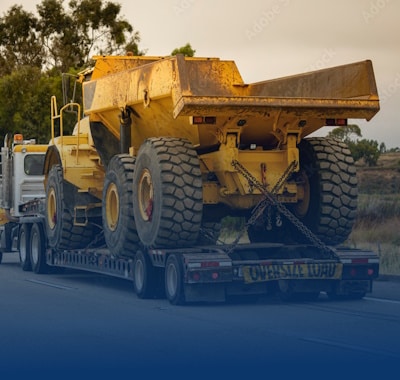
Driverless semis have special systems for big and special cargo. They can carry things like big machines and wind turbine blades.
Case Study: Autonomous Transport of Wind Turbine Blades
Autonomous trucks can move wind turbine blades. These blades are big and need to be handled carefully. Trucks have moved them long distances without breaking them.
| Cargo Type | Distance Covered | Special Handling Requirements |
|---|---|---|
| Wind Turbine Blades | 500 miles | Yes, to prevent damage |
| Construction Equipment | 300 miles | Yes, for oversized dimensions |
| Large Machinery | 700 miles | Yes, for heavy weight and size |
Navigating Complex Terrains and Weather Conditions
Autonomous semis can go through tough places and bad weather. They use sensors and maps to know what’s around them.
This skill is key for using autonomous trucks more. It makes sure cargo gets where it needs to go safely and on time.
Real-Time Route Optimization and Adaptation
Driverless semis can change their route as they go. They use smart algorithms to find the best way.
This helps them get to places faster. It also saves fuel and cuts down on pollution. It’s good for the environment and helps trucks work better.
Leading Companies Pioneering Autonomous Trucking
Many top companies are leading the way in autonomous trucking. They are changing the future of moving goods. These companies use new tech to make trucking better.
TuSimple’s Level 4 Autonomous Driving System
TuSimple is a big name in self-driving trucks. They have a Level 4 system. This lets trucks drive on their own in many situations.
It makes driving safer and more efficient. TuSimple has tested their tech on public roads. It shows it works well in real life.
Waymo Via and Its Commercial Partnerships
Waymo Via is also a key player. They work with big companies to use their tech. This helps more trucks drive on their own.
Aurora Innovation’s Self-Driving Technology
Aurora Innovation makes tech for self-driving cars and trucks. They aim to make systems that are strong and reliable. Their tech can be used in many kinds of vehicles.
Recent Acquisition and Technology Integration
Aurora Innovation has grown a lot. They have made smart choices to get better tech. This has helped them grow even more.
| Company | Key Technology | Recent Developments |
|---|---|---|
| TuSimple | Level 4 Autonomous Driving System | Public road testing, partnerships with logistics companies |
| Waymo Via | Autonomous Driving Solutions | Commercial partnerships with major logistics firms |
| Aurora Innovation | Self-Driving Technology | Strategic acquisitions, technology integration advancements |
Recent Successful Deployments and Test Runs
Recent trials have shown how well autonomous trucking works. They’ve shown how these trucks can handle tough tasks. This is a big step forward.
Cross-Country Autonomous Hauls
Many companies have done long trips with these trucks. They’ve gone across the country. TuSimple has led the way, doing many successful trips.
Port-to-Distribution Center Operations
These trucks have also been tested from ports to centers. They make the process faster and more efficient. This is a big win for logistics.
Performance Metrics and Efficiency Gains
The results from these tests are impressive. They show big gains in efficiency. These trucks use less fuel and make less pollution. This helps the environment.
They also help improve the technology. This is good for the future of trucking.
Overall, these tests show great promise. Autonomous trucking could change the way we move goods.
Safety Systems and Redundancy Protocols
Safety is very important in self-driving trucks. They have many safety features to avoid accidents. These features use both hardware and software.
Emergency Response Capabilities
Self-driving trucks have special emergency features. They can stop suddenly and warn drivers if they drift out of their lane. These help the truck react fast to surprises on the road.
Fail-Safe Mechanisms and Backup Systems
Fail-safe parts are key in self-driving trucks. They have backup systems for important things like stopping and steering. This means the truck can keep going safely even if something goes wrong.
Remote Monitoring and Control Centers
Remote centers are very important for safety in self-driving trucks. They let people watch the trucks live and help quickly if needed.
Human Oversight and Intervention Protocols
Even though trucks can drive by themselves, people still need to watch over them. Companies have rules for when people should step in. This includes remote operators who can take control if it’s needed.
These safety systems and backups make self-driving trucks very safe. As technology gets better, we’ll see even more safety features.
Regulatory Landscape for Autonomous Commercial Vehicles
Understanding the rules for self-driving trucks is key. The rules come from both the federal and state governments.
Current Federal and State Regulations
Rules for self-driving trucks are being made at both levels. The Federal Motor Carrier Safety Administration (FMCSA) is leading the way at the federal level.
- FMCSA Guidelines: The FMCSA has set rules for safe use of self-driving trucks. These include testing and deployment rules.
- State-Level Regulations: States like California and Texas are making their own rules. They are at the forefront of self-driving vehicle laws.
Pending Legislation and Policy Developments
New laws are being proposed to help clarify the rules for self-driving trucks.
Department of Transportation’s Latest Guidelines
The Department of Transportation has new rules. They stress the importance of safety and cybersecurity in self-driving vehicles.
International Regulatory Comparisons
Looking at rules in other countries can give us ideas. Germany and China are creating their own rules for self-driving trucks.
- Germany’s rules focus on technical standards and safety.
- China is working on making self-driving trucks part of its big transportation plans.
Economic Impact on the Trucking Industry
Driverless semis are changing the trucking industry’s economy. They will make big changes in costs, jobs, and how businesses work.
Cost Savings and Operational Efficiencies
Autonomous trucks can save a lot of money. They don’t need human drivers, so companies spend less on wages and training. They also use less fuel and need less maintenance.
Job Market Transformations
Driverless semis will change jobs in the trucking industry. Some jobs might disappear, but new ones will appear. These new jobs need people who know about AI and data.
New Roles Emerging for Human Operators
Humans will still be needed to watch over the trucks. They will make sure everything runs smoothly. These jobs will need special training and new skills.
New Business Models in Freight Transport
Autonomous trucks will lead to new ways of doing business. They can work all the time without getting tired. This could change how we move goods and services.
In summary, driverless trucks will change the industry in many ways. They will save money, change jobs, and open up new business ideas. As the tech gets better, the industry needs to get ready for these changes.
Environmental Benefits of Autonomous Trucking
Autonomous trucking is helping the planet. It uses new tech to cut down on pollution. This makes our roads cleaner.
Fuel Efficiency Improvements
Autonomous trucks use less fuel. They find the best routes and drive smoothly. This means they use less gas and make less pollution.
Reduced Emissions Through Optimized Driving
They drive better, which means less pollution. They also know what traffic will be like ahead. This helps them make even less pollution.
Integration with Electric and Alternative Fuel Technologies
Using electric and other fuels with autonomous tech is a big step. Electric trucks make a lot less pollution than old trucks. This is good for our planet.
| Technology | Fuel Efficiency Improvement | Emissions Reduction |
|---|---|---|
| Autonomous Trucks | Up to 20% | 15-20% |
| Electric Autonomous Trucks | Up to 80% | 70-80% |
Industry Reactions and Strategic Partnerships
The arrival of self-driving trucks is causing big changes in the industry. Big shipping companies are excited to use this new tech. At the same time, old truck makers are figuring out how to keep up.
Major Shipping Companies Adopting the Technology
Big names like UPS and FedEx are leading the way. They’re spending a lot on self-driving trucks to save money and work better. For example, UPS teamed up with TuSimple to test these trucks on their routes.
Traditional Truck Manufacturers’ Responses
Old truck makers like Volvo and Daimler are also getting into the game. They’re making their own self-driving tech. Volvo plans to start using self-driving trucks soon. Daimler has been testing its Freightliner Inspiration Truck on roads.
Technology-Logistics Industry Collaborations
Now, tech companies and logistics firms are working together more. For example, Waymo Via is teaming up with trucking companies. This partnership aims to make self-driving trucks a big part of the industry.
| Company | Role | Autonomous Trucking Initiative |
|---|---|---|
| UPS | Shipping Company | Partnered with TuSimple for autonomous delivery routes |
| Volvo | Truck Manufacturer | Launching a range of autonomous trucks |
| Waymo Via | Technology Company | Partnering with trucking companies for autonomous freight transport |
Challenges and Limitations to Overcome
Autonomous trucking has made big steps forward. But, there are still big challenges to beat before it can be fully used. The industry is working hard to fix these problems.
Technical Hurdles Remaining
Improving technology is a big challenge for self-driving trucks. They need better sensors, smarter AI, and strong security.
Public Perception and Trust Issues
Getting people to trust self-driving trucks is key. A recent poll shows more people are starting to trust them as they work well in real life.
Recent Polling Data on Consumer Confidence
A survey found that 57% of Americans trust self-driving trucks more if they pass more tests. This shows people are getting more confident in the technology.
Infrastructure Requirements for Widespread Adoption
Self-driving trucks need better roads and systems to work well. We need special lanes and better communication. Here’s what’s needed:
| Infrastructure Component | Current Status | Required Upgrade |
|---|---|---|
| Dedicated Lanes | Limited | Expansion |
| Communication Systems | Partial | Full Implementation |
| Highway Signage | Standardized | Smart Signage |
The Road Ahead: Transforming the Future of Freight Transport
Autonomous trucking is changing the logistics world. Companies like TuSimple, Waymo Via, and Aurora Innovation are making it better. They’re working on making trucks smarter and safer.
Autonomous trucks will make things better for our planet. They will use less fuel and make fewer emissions. This means cleaner air for us all.
More trucks will become self-driving soon. This will make our roads safer and more efficient. It’s a big step towards a greener future.
FAQ
What is the main technology behind driverless semi-trucks?
Driverless semi-trucks use advanced sensors and artificial intelligence. They also use machine learning and high-definition maps.
How do autonomous trucks navigate complex terrains and weather conditions?
Autonomous trucks use LiDAR, radar, and cameras. They also use AI to adapt to different environments.
What are the benefits of autonomous trucking in terms of environmental impact?
Autonomous trucks can use less fuel and make fewer emissions. They can also work with electric or alternative fuels.
Which companies are leading the development of autonomous trucking technology?
TuSimple, Waymo Via, and Aurora Innovation are leading. They are making big steps in autonomous driving and have partnerships.
What are the current regulatory challenges facing autonomous trucking?
The rules for autonomous trucks are changing. Federal and state laws, new bills, and DOT guidelines are shaping the future.
How will autonomous trucking affect the job market in the logistics industry?
Autonomous trucks will change jobs in logistics. New roles will come up for people to monitor and control trucks. There will also be new ways to transport goods.
What are the safety features of autonomous trucks?
Autonomous trucks have emergency plans and fail-safe systems. They also have centers for remote monitoring and control. Humans can step in if needed.
Can autonomous trucks handle oversized or specialized cargo?
Yes, autonomous trucks can handle big or special cargo. They plan routes and adapt in real-time.