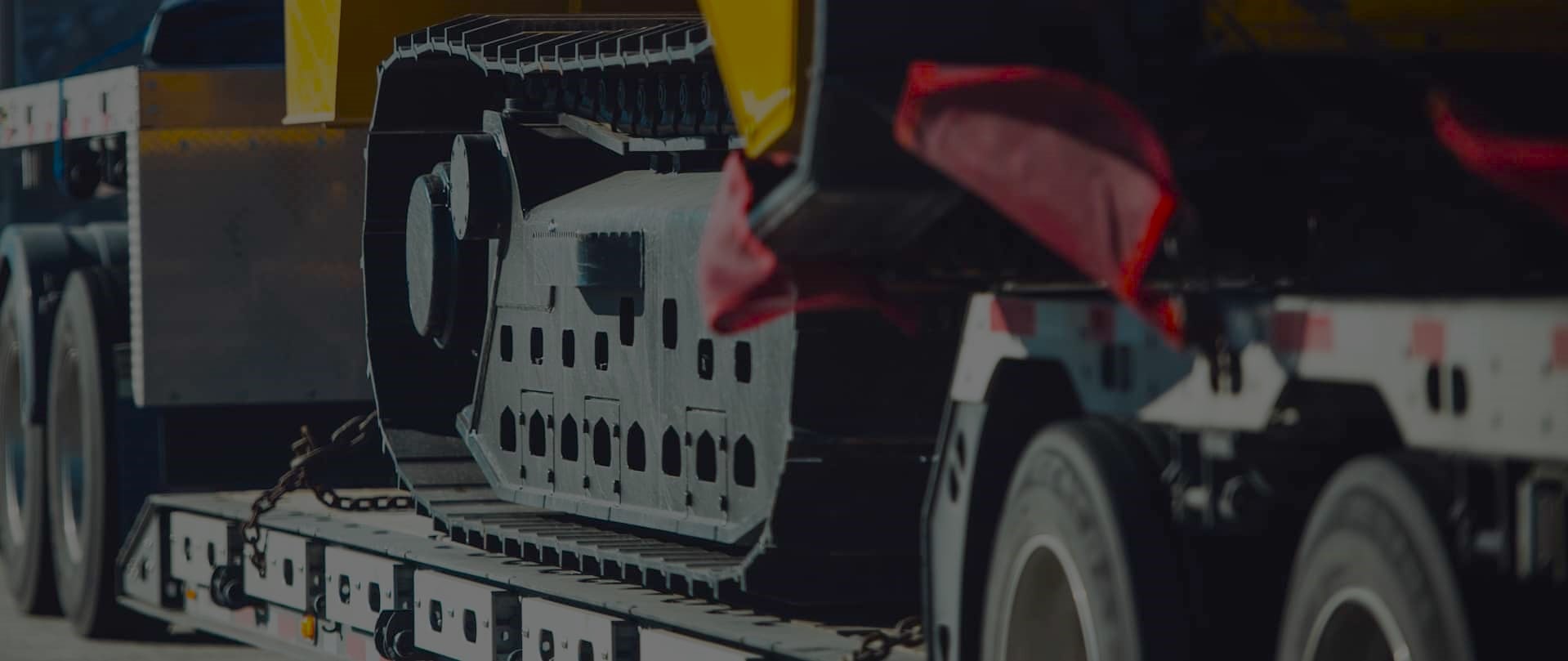
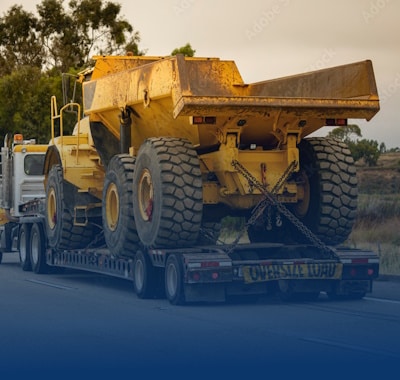
Utilizing Specialized Heavy Haul Trailers: When “Standard” Isn’t Enough
Freedom Heavy Haul can offer expedited Pickup and Delivery for any size shipment anywhere in the USA. Contact us today for No Hassle, No Pressure Pricing.
Specialized heavy haul trailers exist for one reason: some loads simply won’t move safely (or legally) on a common setup. When cargo is extremely heavy, unusually tall, long, or awkwardly shaped, the trailer becomes part of the engineering, not just a piece of equipment.
Trailer selection directly influences axle loading, permits, routing decisions, and escort requirements, making it a foundational decision in heavy haul logistics.
What makes a trailer “specialized” in heavy haul work?
A specialized trailer is designed to solve a specific transport constraint, such as:
- lowering deck height to reduce overall load height
- spreading weight across more axles to meet legal limits
- extending or adjusting length for dimensional freight
- improving stability for high-center-of-gravity cargo
- enabling safer loading for equipment that needs drive-on access
In other words, the trailer is built to control risk that would otherwise show up as clearance issues, axle overload, unstable handling, or permit rejections.
The most common specialized trailer categories and what they’re for
1) RGN and detachable gooseneck trailers for heavy machines
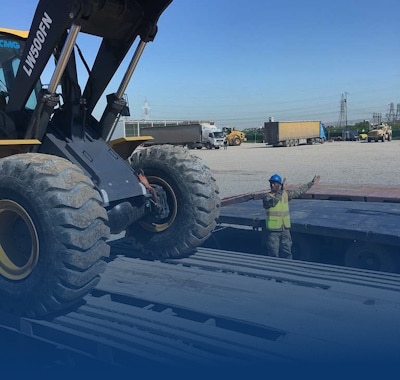
When you need drive-on loading for equipment like dozers, excavators, or large loaders, detachable gooseneck designs reduce the loading angle and improve control during loading and unloading. This also helps when job sites have uneven ground or limited space.
If you’re still at the decision stage, the selection logic is explained clearly in how to choose the right trailer for a heavy haul move, where cargo constraints guide trailer choice step-by-step.
2) Lowboy and low-deck trailers for height-sensitive routes
Some routes are only feasible if the overall load height is reduced. Low-deck designs are chosen when overhead restrictions are a primary threat to the move.
When height is a concern, you’ll want to plan around clearance realities using route techniques for low-clearance oversized moves so trailer height decisions align with real infrastructure.
3) Extendable, stretch, and modular trailers for long freight
Cargo like long beams, industrial assemblies, or certain energy components may require adjustable length. This is where extendable and modular designs become necessary, because “fixed-length” platforms create unsafe overhang or unstable turning behavior.
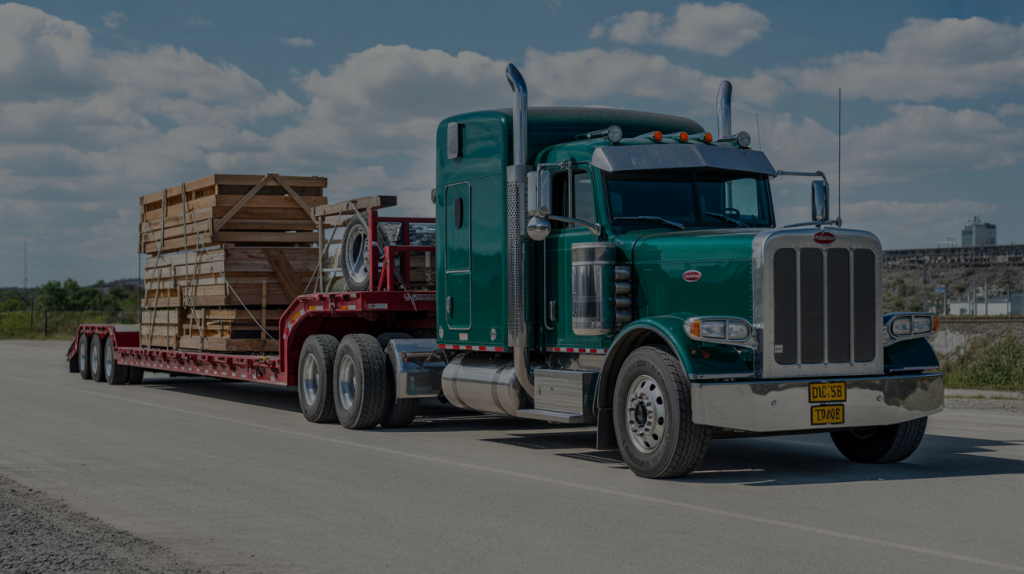
For the dimensional side of this topic, specialized trailers built for dimensional cargo breaks down how these trailers solve length and geometry problems.
4) Multi-axle configurations for extreme weight
When the load is heavy enough that axle distribution is the whole game, specialized trailers are selected primarily for their ability to spread weight safely across more contact points. The goal is to prevent concentrated loads that trigger permit problems or infrastructure stress.
This is where axle configuration planning becomes the difference between a clean permit process and repeated revisions.
Why specialized trailers reduce permitting friction
Permits don’t just consider gross weight, they reflect how weight is applied to roads and bridges. A trailer that distributes load properly can make an overweight move more manageable, because the rig is behaving “cleaner” from an infrastructure perspective.
That’s also why planning should include how axle weight distribution is calculated early, before permit requests go out, so you aren’t forced to reconfigure the entire setup after the fact.
Specialized trailer choice is also a routing decision
Many heavy haul delays happen because the trailer was chosen without considering the route. A low deck may solve clearance, but it might introduce turning limitations. A modular axle setup may distribute weight effectively but can require wider turns and additional staging space.
Bridge constraints are often the silent decision-maker here. If your move is approaching overweight territory, route reviews should include bridge engineering considerations for heavy haul transport, because infrastructure behavior is sometimes more restrictive than the permit numbers suggest.
A simple “use this trailer when…” checklist
Here’s a practical way to think about it:
- Use detachable gooseneck (RGN) when drive-on loading and controlled loading angle matter.
- Use low-deck / lowboy when overhead clearance is the main risk.
- Use extendable / modular designs when cargo length or geometry is non-negotiable.
- Use multi-axle systems when weight distribution is the dominant constraint.
This keeps trailer selection grounded in real constraints rather than habits or assumptions.
Conclusion
Specialized heavy haul trailers are chosen because they solve specific transport risks, clearance limits, axle overload, unstable handling, and dimensional complications. When the trailer matches the cargo’s true constraints, the entire move becomes smoother: routing becomes realistic, permits become easier to secure, and the load behaves predictably on the road. In heavy haul operations, the correct trailer is not just equipment selection; it is the foundation of a safe, compliant, and predictable transport plan.