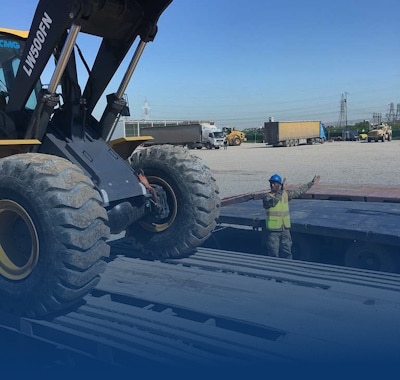
We Answer: Do I Need Escort Vehicles for Transporting Construction Equipment?
Freedom Heavy Haul can offer expedited Pickup and Delivery for any size shipment anywhere in the USA. Contact us today for No Hassle, No Pressure Pricing.
Moving heavy machinery presents immediate questions about legal compliance and safety. These concerns demand clear, authoritative answers. We understand the stakes involved in getting oversized loads from one site to another.
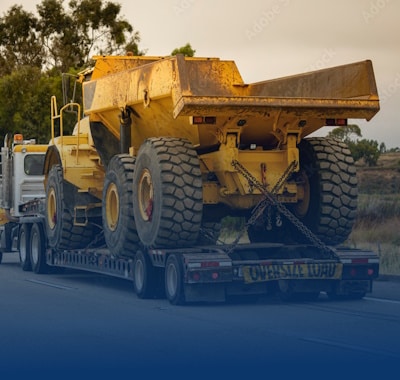
Haulage of industrial machinery often involves loads that exceed standard size and weight limits. This situation triggers specific regulatory requirements from state and federal agencies. Proper permits are mandatory to move legally on public roads.
Failing to secure proper logistical support when mandated can result in substantial fines. Equipment impoundment and project delays are also serious risks. Our expertise highlights that requirements depend on multiple factors.
Dimensions, weight, route characteristics, and local laws all influence the process. This comprehensive resource addresses the complex intersection of federal and state rules. We guide you through determining when additional support is mandatory.
Our approach balances technical regulatory knowledge with straightforward explanations. We provide practical, actionable information for logistics managers and project supervisors. This ensures you understand both the “what” and the “why” behind the rules.
Understanding the Role of Escort Vehicles in Heavy Equipment Transport
When moving massive machinery across public roadways, additional safety measures become essential for protecting all parties involved. These specialized support systems form a critical component of responsible haulage operations.
Overview of Escort Vehicles and Their Purpose
We utilize pilot cars as dedicated safety partners during oversized transport operations. These specialized units travel alongside your machinery to coordinate secure passage.
Our escort vehicles serve distinct functions based on their positioning. Lead cars move ahead to clear routes and provide early warnings. Chase units follow behind to manage traffic flow and prevent close approaches.
How Escort Vehicles Enhance Road Safety
These safety partners address the inherent challenges of oversized transport. They monitor vertical clearances for bridges and overhead obstacles. Constant radio communication creates a coordinated safety network.
Properly deployed pilot car services significantly reduce accident risks. They alert other motorists well in advance, allowing adequate reaction time. This proactive approach minimizes traffic disruption throughout the journey.
do I need escort vehicles for transporting construction equipment
The decision to deploy safety vehicles rests on objective criteria related to your equipment’s physical properties. We analyze specific thresholds that automatically trigger regulatory requirements.
Key Factors Triggering Escort Requirements
Four primary measurements determine whether safety support becomes necessary. These include width, height, length, and total weight.
Width represents the most common trigger. Exceeding 8.5 feet typically enters oversized territory. Measurements beyond 12 feet often require one safety vehicle. Loads over 14 feet wide usually mandate two units.
Height considerations focus on clearance safety. Equipment taller than 13.5 feet generally needs lead vehicles with height poles. This prevents collisions with overhead obstacles.
Length evaluations account for the entire transport setup. Combined truck and machinery exceeding 53 feet may need support. Requirements intensify beyond 90 feet in total length.
Weight thresholds also influence decisions. Loads over 80,000 pounds often trigger safety vehicle requirements. This is especially true on restricted roadways.
When to Consult Regulatory Guidelines
State-specific regulations vary significantly across different jurisdictions. What’s permissible in one location may require full support elsewhere.
We recommend consulting guidelines during initial planning phases. Retroactive compliance creates costly delays and potential legal complications. Proper advance planning ensures smooth operations.
Navigating Heavy Equipment Permitting and Regulatory Compliance
The legal framework governing heavy haulage is built upon a system of specific permits tailored to different load characteristics. We simplify this complex landscape by identifying the exact authorizations your project demands. Proper documentation ensures full compliance with all legal requirements.
Understanding the primary permit categories is essential for planning. Each type addresses distinct regulatory thresholds.
- Oversize Permits apply when machinery exceeds standard dimensions. Common triggers include width over 8 feet 6 inches or height above 13 feet 6 inches.
- Overweight Permits are necessary when the combined weight of the truck and load surpasses the 80,000-pound gross vehicle weight limit.
- Trip Permits offer temporary authorization for commercial vehicles operating outside their home state.
- Superload Permits cover loads that dramatically exceed standard limits. These often require detailed engineering reviews and custom routing.
Accurate load specifications are the foundation of a successful application. We document precise weight per axle, exact dimensions, and cargo details. This information directly influences the permit process and associated escort needs for large loads.
A critical distinction exists between federal and state authority. While federal regulations provide a broad framework for interstate commerce, individual states control their own roads. This means a single interstate move requires separate permits from each state you enter. Each jurisdiction has unique rules, fees, and timelines.
We manage these state-specific regulations to prevent costly delays. Approval times can range from days for standard permits to months for superload applications. Early engagement with the permitting process is the key to a smooth, compliant transport operation.
Roles and Responsibilities of Escort and Pilot Cars
Specialized safety vehicles form an integrated protection system around valuable machinery during transit. We deploy trained personnel in dedicated units to create protective safety corridors. This coordinated approach ensures maximum security for all road users.
Pilot Vehicle Duties and Communication
Our front pilot car escorts travel ahead of the main transport. They serve as advanced warning systems for oncoming traffic. These units communicate real-time information about road conditions and clearance issues.
Rear escort vehicles follow behind the primary load. They manage approaching traffic and prevent close following. These units assist with complex maneuvers like lane changes and highway merges.
Both positions maintain constant radio contact throughout operations. This coordination ensures seamless movement of industrial assets.
Guidelines for Escort Car Equipment and Markings
All safety vehicles feature mandatory equipment for maximum visibility. Roof-mounted amber lights and proper signage alert other motorists. Two-way radio systems enable continuous communication between all units.
Lead cars utilize height poles to detect clearance obstacles in advance. Additional safety gear includes reflective markers and emergency response equipment. This comprehensive setup prepares our teams for any roadside situation.
| Responsibility Area | Front Escort Vehicle | Rear Escort Vehicle |
|---|---|---|
| Primary Function | Advanced warning and route clearance | Traffic management and rear protection |
| Communication Focus | Road hazards and overhead clearance | Approaching traffic and merge assistance |
| Typical Deployment | Two-lane roads and high-profile loads | Multi-lane highways and urban areas |
| Critical Equipment | Height poles and forward-facing signs | Rear warning lights and merge signals |
Our pilot car drivers complete rigorous state certification programs. They receive training in defensive driving and emergency protocols. This expertise ensures professional handling of every transport scenario.
Step-by-Step Guide to Arranging Escort Services
Proper preparation is the foundation of a successful oversized haul. Our systematic approach ensures every detail receives attention. This method eliminates guesswork and potential compliance issues.
Assessing Load Dimensions and Requirements
We initiate every project with precise measurements. Our team records exact width, height, length, and weight. Even minor dimensional differences can alter legal requirements significantly.
The assessment extends beyond the primary asset. We analyze the complete transport configuration, including the trailer and any overhang. This comprehensive view provides the accurate data needed for proper planning.
Route evaluation is a critical component of our logistics strategy. We consider road types, bridge clearances, and traffic patterns. Time factors like seasonal weather and travel restrictions are also analyzed.
Coordinating with Service Providers
Our established network includes certified operators across the country. We leverage these relationships to secure reliable support. This coordination ensures synchronized operations from start to finish.
For moves requiring law enforcement support, we provide advanced notice. This planning accounts for scheduling complexities. Our team confirms all communication protocols and equipment checks beforehand.
We manage the entire logistics chain to protect your valuable cargo. Every provider understands their specific role in the operation. This meticulous coordination delivers peace of mind throughout the journey.
| Planning Phase | Key Actions | Outcome |
|---|---|---|
| Initial Assessment | Precise dimension capture and route analysis | Accurate requirement determination |
| Provider Coordination | Network engagement and schedule synchronization | Reliable service deployment |
| Pre-Transport Verification | Communication checks and equipment validation | Operational readiness |
Analyzing State-by-State Variations in Escort Regulations
Navigating interstate commerce demands careful attention to jurisdictional differences in transportation oversight. Each state maintains unique regulatory frameworks that directly impact operational planning. We coordinate compliance across these varying legal landscapes.
State-to-state variations create complex logistics challenges. Equipment moving legally through Florida might require full safety support upon entering Georgia. These regulatory changes occur at every border crossing.
Understanding Local Permitting Processes
Local permitting processes demonstrate significant variation across different jurisdictions. Some states offer streamlined online applications with rapid approval timelines. Others require detailed engineering reviews and route pre-approvals.
California enforces particularly strict safety protocols, especially in urban areas like Los Angeles. Texas regulations tie specific requirements directly to load dimensions and route characteristics. New York imposes additional restrictions for metropolitan areas and aging infrastructure.
| State | Width Threshold | Height Limit | Safety Vehicles Required |
|---|---|---|---|
| California | Over 12 feet | Over 14.5 feet | Front and rear |
| Texas | Over 14 feet | Over 14 feet | Varies by route |
| New York | Over 13 feet | Over 13.5 feet | Minimum one vehicle |
These state-specific rules govern not only when additional support is necessary but also the number and positioning of safety units. Some jurisdictions mandate only front coverage for moderate widths. Others require comprehensive front and rear protection systems.
Our expertise covers all fifty states’ regulatory frameworks. We ensure compliance across multi-jurisdictional routes while maintaining efficient schedules. This approach prevents costly violations and operational delays.
Best Practices in Route Planning and Traffic Coordination
Strategic route planning forms the critical backbone of every successful oversized transport operation. We approach each project with meticulous attention to path selection and traffic management strategies.
Conducting Effective Route Surveys
Our comprehensive route surveys analyze every potential obstacle before industrial moves begin. We systematically evaluate bridge weight capacities and road width restrictions along the entire path.
Clearance measurements receive particular attention during our planning phase. We verify overhead clearances against precise height dimensions, building essential safety margins. Active construction zones and narrow passages are identified well in advance.
For exceptionally large assets, we obtain engineer-approved route surveys. These provide certified structural assessments of bridges and roadways. This level of detail ensures safe passage for valuable industrial machinery.
Managing Time and Weather Constraints
Time restrictions significantly influence our coordination efforts. Most permits limit oversized moves to daylight hours only, requiring precise scheduling for multi-day journeys.
We plan around weekend and holiday travel prohibitions common in many states. Weather monitoring becomes critical throughout the operation. Permits typically suspend authorization during adverse conditions like snow, heavy rain, or high winds.
Our traffic coordination includes adhering to reduced speed limits and avoiding peak congestion periods. This minimizes delays while ensuring safety for all road users.
Mitigating Risks and Handling Unexpected Delays
Even the most carefully planned transport operations can encounter unexpected challenges that demand immediate response. We build contingency time into every schedule to accommodate weather changes, traffic incidents, and route obstacles.
Emergency Preparedness and Safety Measures
Our emergency protocols ensure comprehensive protection for your valuable cargo. All support units carry essential safety gear including traffic cones, fire extinguishers, and first aid kits.
We meticulously follow permit rules to avoid compliance issues. Violations can trigger serious consequences from enforcement agencies. Fines range from hundreds to tens of thousands of dollars depending on the infraction.
Equipment impoundment represents a costly outcome of non-compliance. When officials stop improperly documented moves, they can impound assets until violations are resolved.
Constant communication with law enforcement ensures rapid coordination during incidents. Our team maintains contact with transportation authorities throughout all moves.
Insurance verification occurs before every transport. We confirm adequate coverage for liability, cargo value, and potential infrastructure damage.
Unexpected delays are managed through established provider relationships. When emergencies force route changes, we coordinate revised approvals quickly.
Our personnel receive training for decisive emergency response. They implement traffic control measures while coordinating with emergency services.
Working with Experienced Partners for Legal Compliance and Efficiency
Successful heavy haul outcomes often depend on selecting the right partners with proven expertise in compliance and logistics coordination. Our team brings decades of specialized knowledge to every project. We understand the nuances that generalist companies often miss.
Criteria for Selecting Transport and Escort Service Providers
Choosing the right partners requires careful evaluation. We recommend assessing companies based on specific criteria that ensure reliable performance.
Documented experience with similar assets is crucial. Proven knowledge of multi-state regulations provides legal protection. Comprehensive insurance coverage safeguards your investment.
| Selection Factor | Inexperienced Provider | Seasoned Professional |
|---|---|---|
| Regulatory Knowledge | Limited to basic rules | Multi-state expertise |
| Safety Record | Variable compliance | Consistent adherence |
| Network Quality | Limited local contacts | National certified partners |
| Problem Resolution | Reactive approach | Proactive planning |
Leveraging Professional Permit Services
Our professional permit services handle complex documentation burdens efficiently. We manage all application processes from start to finish.
Established relationships with authorities enable faster approvals. Our logistics team coordinates all regulatory requirements. This approach saves valuable time and reduces compliance risks.
Partnering with experienced companies provides peace of mind throughout the transport process. We ensure every aspect meets legal standards.
Wrapping Up Your Heavy Equipment Transport Planning Strategy
Finalizing your logistics strategy requires synthesizing dimensional analysis, permit acquisition, and safety protocols. This integrated approach ensures compliant movement of valuable assets. We coordinate all elements for seamless operations.
Budget considerations include approximately $2 per mile for safety support services. Actual rates vary based on distance, seasonal demand, and route complexity. Early planning secures optimal pricing and availability.
Partnering with experienced professionals delivers the best outcomes for your industrial machinery. Our network maintains current knowledge of evolving state regulations. This expertise prevents costly compliance errors throughout the transport process.
We stand ready to support your planning with comprehensive guidance and reliable execution. Trust our commitment to safety and regulatory adherence for your valuable loads.
FAQ
What are the typical size and weight limits that require an escort vehicle?
Requirements vary significantly by state, but generally, loads exceeding certain dimensions—such as widths over 8.5 to 12 feet, lengths over 75 to 100 feet, or heights over 13.5 to 15 feet—will mandate one or more pilot cars. Weight limits also play a crucial role. We meticulously assess your cargo’s dimensions against state-specific regulations to determine the exact escort requirements for your haul.
What is the difference between a lead and a rear escort vehicle?
A lead escort, or pilot car, travels ahead of the transport vehicle to warn oncoming traffic, check for overhead obstructions like power lines, and navigate complex turns. A rear escort follows the load to protect it from trailing traffic and provide additional visibility. The number and placement of these vehicles are dictated by the cargo’s size, weight, and the specific route’s challenges.
How do state regulations impact my transport logistics?
Each state has its own Department of Transportation (DOT) with unique rules for oversize/overweight loads. These regulations govern everything from permit applications and travel time restrictions (like night or weekend moves) to the mandatory number of escort vehicles. Our expertise lies in navigating these state-by-state variations to ensure full compliance and prevent costly delays or fines.
Can law enforcement act as an escort for my equipment move?
In some cases, particularly for super-loads or moves through highly congested areas, state police or other law enforcement may be required to provide an escort. This is typically specified in the special permit conditions. We handle all necessary coordination with authorities as part of our comprehensive transport planning services.
What qualifications should I look for in an escort driver?
Experienced escort drivers are essential for safety. They should possess extensive knowledge of state transportation laws, hold relevant certifications, and have proven experience with heavy haul routes. Their vehicles must be properly equipped with flashing lights, flags, signs, and communication systems to maintain constant contact with the transport truck driver.
How far in advance should I plan for escort services?
We recommend beginning the planning process as early as possible. Securing the necessary permits and booking reliable escort services can take time, especially for complex moves involving multiple states. Advanced planning allows for thorough route surveys, contingency planning for potential delays, and ensures a smoother, safer transport operation.