What Equipment Qualifies as an Oversize or Overweight Load: We Explain
Freedom Heavy Haul can offer expedited Pickup and Delivery for any size shipment anywhere in the USA. Contact us today for No Hassle, No Pressure Pricing.
Moving large-scale machinery requires precise planning and a deep understanding of regulations. We know that proper classification is the first step toward compliance. This process ensures you avoid costly fines and transportation delays.
In the United States, a common threshold for an oversize haul is a width exceeding 8 feet 6 inches. However, height and length limits often vary by state. Most states set a maximum height of 13 feet 6 inches.
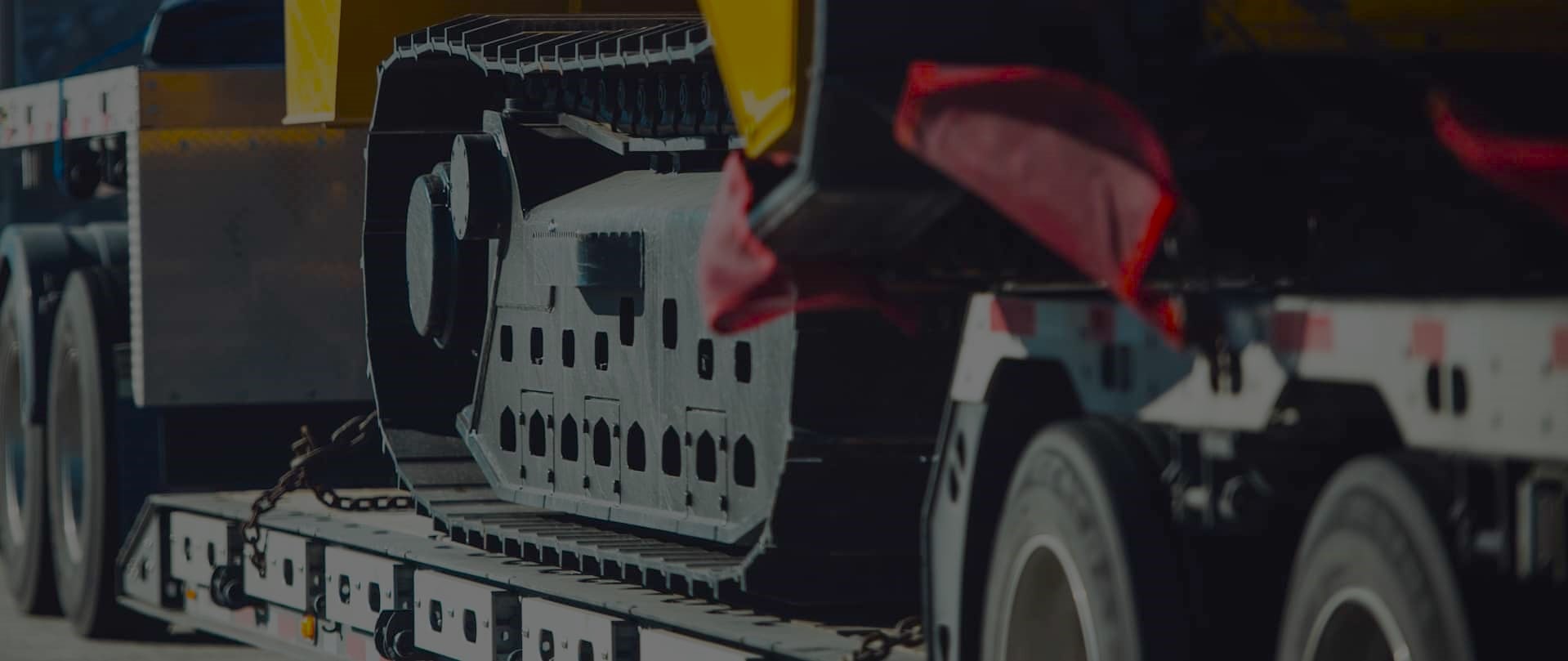
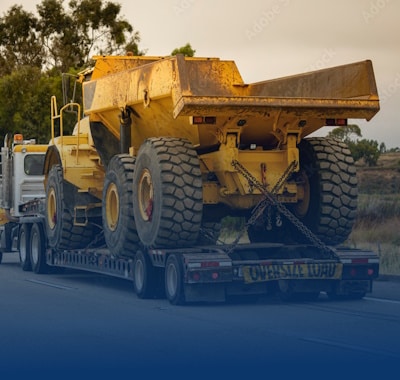
Common examples needing special attention include construction machines like cranes and excavators. Pre-built homes, large containers, and industrial generators also fall into this category. Bridge beams and wind turbine parts are other frequent examples.
The distinction between oversize and overweight matters greatly. Each category carries different permit requirements and route restrictions. Our expertise helps you navigate this complex landscape of federal and state rules.
We provide reliable, expert heavy hauling services. Our focus is on your trust and the safety of your valuable cargo. Understanding these classifications protects your business and ensures efficient transport from start to finish.
Understanding Oversize and Overweight Loads
Understanding the difference between dimensional and weight restrictions is crucial for compliance. We help clients navigate these distinctions with confidence.
Defining Oversize and Overweight Loads
In road transport, specific cargo exceeds standard legal parameters. We define oversize transport as any vehicle-cargo combination surpassing established dimensional limits. These restrictions cover width, height, and length measurements.
An overweight designation applies when total gross weight or per-axle limits are exceeded. The key distinction lies in the type of restriction being surpassed. Some shipments meet both criteria, requiring comprehensive planning.
Standard legal limits provide the baseline for normal operations. Most states recognize 8 feet 6 inches in width and 13 feet 6 inches in height as standard thresholds. Loads within these parameters typically don’t need special permits.
Key Terminology and Standards
Important vocabulary includes “indivisible load” terminology. This refers to cargo that cannot be broken down without compromising integrity. Understanding this concept helps determine permit requirements.
Federal standards establish the foundation for transportation regulations. However, individual states maintain authority to set more restrictive limits. These variations depend on local infrastructure and road conditions.
“An abnormal indivisible load is one which cannot be divided into two or more loads for transporting on roads.”
We provide clarity on these complex definitions. Our expertise ensures you select the right permits and safety measures for each unique situation.
Eligibility Criteria: What Equipment Qualifies as an Oversize or Overweight Load
Accurate cargo assessment forms the foundation for compliant heavy transport operations across state lines. We guide clients through precise measurement protocols to determine when special permits become necessary.
Regulatory Thresholds and Measurements
Standard road transport allows for specific maximum dimensions. Most states recognize 8 feet 6 inches as the width limit that triggers special requirements.
Height restrictions typically cap at 13 feet 6 inches across many jurisdictions. Length parameters show significant variation depending on the hauling configuration.
Weight considerations involve both gross vehicle mass and per-axle distribution. Proper axle weight calculation protects infrastructure while ensuring legal compliance.
Examples of Qualified Equipment
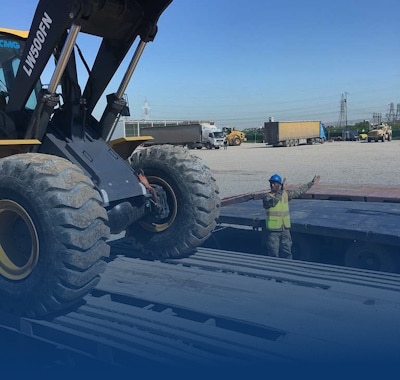
Construction machinery frequently exceeds standard parameters. Mobile cranes, excavators, and bulldozers often require specialized transport solutions.
Industrial components like generators and transformers commonly qualify. Bridge beams and wind turbine parts represent typical oversize cargo.
Agricultural implements such as combines and large tractors frequently need special permits. Their substantial width and weight characteristics demand careful planning.
We provide comprehensive measurement services accounting for all projections and attachments. Our expertise ensures accurate classification from initial assessment through final delivery.
Permits and Compliance: Navigating the Process
Securing proper authorization for specialized transport requires understanding complex regulatory frameworks. We guide clients through every step of this essential process.
How to Apply for Permits
The application process begins with gathering detailed information. You’ll need precise measurements, weight specifications, and planned travel dates. Our service ensures all data meets state requirements.
Processing times can range from instant approvals to several weeks. Advance planning prevents costly delays. We handle multi-state applications in the proper order.
Many jurisdictions require cargo to be classified as nondivisible. This means it cannot be broken into smaller units. We help determine if your shipment meets this critical requirement.
State-by-State Regulatory Differences
Each state maintains unique permit protocols and restrictions. A single trip crossing multiple jurisdictions needs separate authorization from each one. Route specifications often include exact travel paths and timing.
Some states offer annual permits for frequent travelers. Others issue single-trip authorizations only. Additional fees or insurance documentation may apply.
We navigate these regulatory differences efficiently. Our expertise ensures full compliance across all jurisdictions on your route.
Equipment Specifications and Safety Requirements
Visibility-enhancing equipment plays a critical role in protecting both cargo and public safety during transport. We ensure every shipment meets stringent state specifications for maximum road safety.
Proper warning systems alert other motorists to special transport conditions. These measures prevent accidents and ensure legal compliance throughout the journey.
Required Load Signage and Flagging
California mandates specific signage dimensions for maximum visibility. Signs must display “OVERSIZE LOAD” in 12-inch by 72-inch format with black letters on yellow background.
Positioning occurs at both the front and rear of the transport vehicle. This placement ensures approaching traffic receives adequate warning from all directions.
Daylight operations require 18-inch by 18-inch red or fluorescent orange flags. These markers attach to all four corners of the cargo for comprehensive visibility.
Lighting Requirements for Day and Night Transit
Nighttime travel demands specific illumination for safety. Loads with side overhang exceeding 12 inches need steady amber lights visible for 300 feet.
These lights position at the front and rear corners of overhanging cargo. Longer shipments measuring 120 feet or greater require red warning lights instead.
Rear overhangs beyond 3 feet need steady red lights at the extreme end. This ensures following vehicles can accurately judge distance in all conditions.
We provide compliant safety equipment including weatherproof signs and LED warning lights. Our expertise ensures your shipment meets all requirements for secure transport.
State-Specific Oversize and Overweight Regulations
The regulatory landscape varies significantly across different jurisdictions for specialized hauling. We navigate these complex state-specific requirements to ensure seamless transport operations.
California Oversize Load Permit Essentials
California maintains comprehensive permit conditions for specialized cargo. The state requires specific lighting, signage, and flagging protocols for legal transport.
Travel restrictions include curfew maps for major metropolitan areas like Los Angeles and San Francisco. Peak hour prohibitions protect public safety during congested periods.
Pilot car escorts become mandatory for certain dimensions. Holiday provisions also restrict valid permit dates, requiring careful trip planning around major celebrations.
Guidelines from Other Key States
Other states demonstrate remarkable variation in their regulatory approaches. Alabama offers electronic permit systems accessible on mobile devices during travel.
States like Washington and Texas provide detailed documents covering allowable routes and weight tables. Ohio and Florida require carriers to reference multiple attachment specifications.
We maintain current information on all jurisdictional requirements. Our expertise ensures your vehicles comply with each state’s unique conditions throughout the entire route.
Best Practices for Cargo Securement and Transport
Cargo restraint systems serve as the critical link between equipment safety and public road security. We implement comprehensive protocols that protect both your investment and surrounding traffic. Our approach combines technical expertise with practical safety measures.
Ensuring Proper Load Securement
Federal studies reveal that 7% of trucking accidents stem from inadequate cargo restraint. This statistic underscores why we prioritize meticulous securement practices. Chain binders, straps, and blocking must match your specific weight requirements.
Cargo stability becomes a shared legal responsibility across all parties involved. We conduct thorough inspections before departure and at regular intervals. This ensures chains remain tight and load position stays stable throughout the journey.
Redundant securement points provide essential backup for unusual configurations. Our team selects equipment rated for your particular transport needs. Proper weight distribution across axles prevents dangerous shifts.
Utilizing Pilot Cars and Escort Vehicles
Pilot car services often become mandatory for certain transport combinations. These trained professionals position their vehicles ahead of and behind your main transport. They provide critical warnings to approaching traffic.
Escort vehicles carry height poles to check bridge clearances proactively. This prevents costly infrastructure damage from clearance strikes. Their drivers temporarily block intersections to ensure safe passage.
Our transport service includes experienced drivers who understand weight dynamics. They navigate tight turns and respond to changing road conditions. This comprehensive approach guarantees secure delivery of your valuable cargo.
International Perspectives on Special Transport Regulations
Operating heavy haulage across borders demands a firm grasp of diverse international standards. We guide clients through the complex web of global rules. Our expertise ensures compliant and efficient movement of cargo worldwide.
Comparative Analysis Between U.S. and European Standards
European nations approach large cargo differently, using terms like “special transport” or “convoi exceptionnel.” Their systems share similarities with American permit processes. Both require special signage and advance planning for safe travel.
Key differences emerge in specific thresholds. For instance, the United Kingdom defines an abnormal load with higher weight limits. This reflects their distinct infrastructure and road engineering standards.
Overview of Oversize Regulations in Canada, India, and Beyond
Canada’s legal limits are slightly more generous than U.S. standards. Their rules trigger special requirements for cargo exceeding specific dimensions. Escort vehicles become mandatory beyond certain points to ensure safety.
India’s framework uses metric measurements for its regulations. The country imposes strict rules for massive cargo, restricting heavy units to specific trailer combinations. National permissions are required for these major hauls.
Australia and New Zealand each have unique systems with varied trailer configurations. Understanding these international regulations is vital for companies managing cross-border transportation. We provide the necessary guidance for these complex operations.
Final Thoughts on Complying with Transportation Laws
Professional transport services prioritize safety through diligent compliance and strategic planning. We understand that adherence to regulations protects your business investment and public safety.
Obtaining the correct permit for each jurisdiction along your route is essential. Proper documentation ensures legal operation and prevents costly interruptions. Multiple permits may be needed for interstate travel.
Careful attention to dimensions and weight distribution prevents violations. The configuration of your truck and trailer must accommodate the cargo’s specifications. Pilot car services provide critical safety support.
We recommend partnering with experienced professionals who navigate these complex requirements. Advance planning allows time for permits processing and route verification. Proper preparation ensures successful transport.
Compliance demonstrates professional responsibility while protecting infrastructure and communities. Our expertise guides you through every condition and requirement for secure delivery.
FAQ
What are the standard size and weight limits for standard loads?
Standard loads typically adhere to maximum dimensions of 8.5 feet in width, 13.5 feet in height, and 53 feet in length. Weight limits often cap at 80,000 pounds gross vehicle weight. These figures can vary by state, so always verify local regulations.
How do I know if my cargo requires an oversize/overweight permit?
Your shipment requires a permit if it exceeds the legal size or weight limits for standard transport. This includes exceeding width, height, length, or weight restrictions. We assess your cargo’s specifications against state regulations to determine permit necessity.
What types of equipment commonly require oversize/overweight permits?
Heavy machinery like bulldozers, excavators, and wind turbine components often require special permits. Construction equipment, modular home sections, and large industrial parts also frequently exceed standard limits. Each piece is evaluated individually for compliance.
How far in advance should I apply for oversize load permits?
We recommend applying for permits at least 3-5 business days before your planned transport date. Some states offer expedited processing, but complex routes or loads may require additional time for approval and route surveys.
Are pilot cars always required for oversize loads?
A> Pilot car requirements depend on load dimensions and state regulations. Typically, wider loads (over 12-14 feet) or longer combinations require escort vehicles. Our team determines exact requirements based on your specific cargo dimensions and travel route.
How do oversize load regulations vary between states?
Each state sets its own rules for dimensions, weights, travel times, and escort requirements. Some states allow longer or heavier loads than others. We manage these variations by securing all necessary permits and ensuring full compliance for every state you travel through.
What safety equipment is required for oversize load transport?
Required safety gear includes flashing amber lights, oversize signs, flags, and specific color combinations. Night transport requires additional lighting. We ensure all safety equipment meets Department of Transportation standards for your specific load configuration.
Can oversize loads travel at night or on weekends?
Travel restrictions vary by state and sometimes by specific highways. Many states prohibit oversize transport during peak hours, holidays, or certain weather conditions. We plan routes carefully to comply with all timing restrictions and ensure safe passage.
What happens if I transport an oversize load without a permit?
A> Transporting without proper permits results in severe penalties including hefty fines, cargo impoundment, and possible license suspension. Proper permitting protects your investment and ensures legal compliance. We handle all permitting to prevent these risks.
How do you handle multi-state oversize load permits?
We coordinate all necessary permits for every state along your route. Our team manages different application processes, fee structures, and regulatory requirements. We create a seamless transport plan that addresses each state’s unique oversize/overweight regulations.