Look, I’ve seen too many operators get burned by weight violations that could’ve been avoided. The 48,000-pound figure gets tossed around constantly, but here’s what nobody tells you upfront: that number is just your starting point, not your finish line.
Step deck trailers, also known as drop deck trailers, are specially designed to transport tall and heavy cargo that cannot be carried by standard flatbed trailers due to height restrictions on roads. The key advantage of a step deck trailer is its ability to haul taller loads, thanks to its lowered deck.
But weight capacity? That’s where things get interesting—and where mistakes get expensive.
Why the 48,000-Pound Rule Isn’t the Whole Story
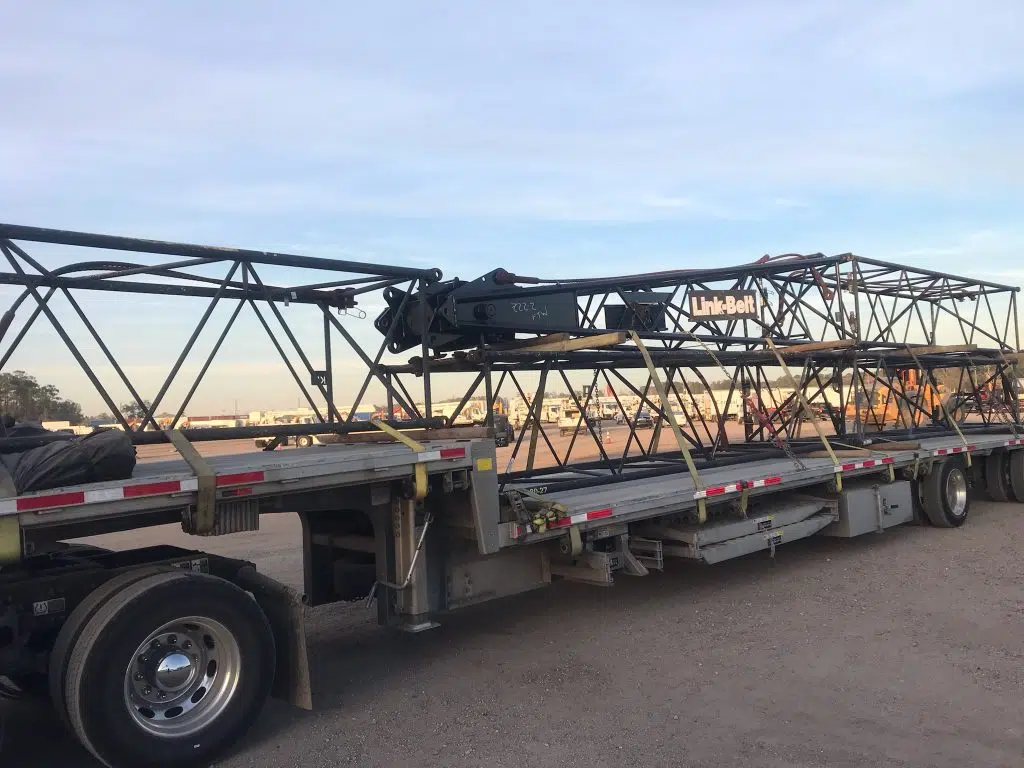
Most two-axle step deck trailers handle up to 48,000 pounds of cargo. That’s accurate. But the federal gross vehicle weight limit is 80,000 pounds total—and that includes your tractor, trailer, and cargo combined.
Here’s the math nobody breaks down clearly: if your empty tractor weighs around 18,000 pounds and your step deck trailer weighs 10,000-11,000 pounds, you’re already at 28,000-29,000 pounds before loading a single piece of equipment. That leaves you with roughly 51,000-52,000 pounds for cargo, not 48,000.
So where does the 48,000-pound step deck weight limit come from? Axle configuration. Your trailer’s axles can only legally support that much weight, even if your gross vehicle weight allows more.
Step Deck Trailer Dimensions That Actually Matter
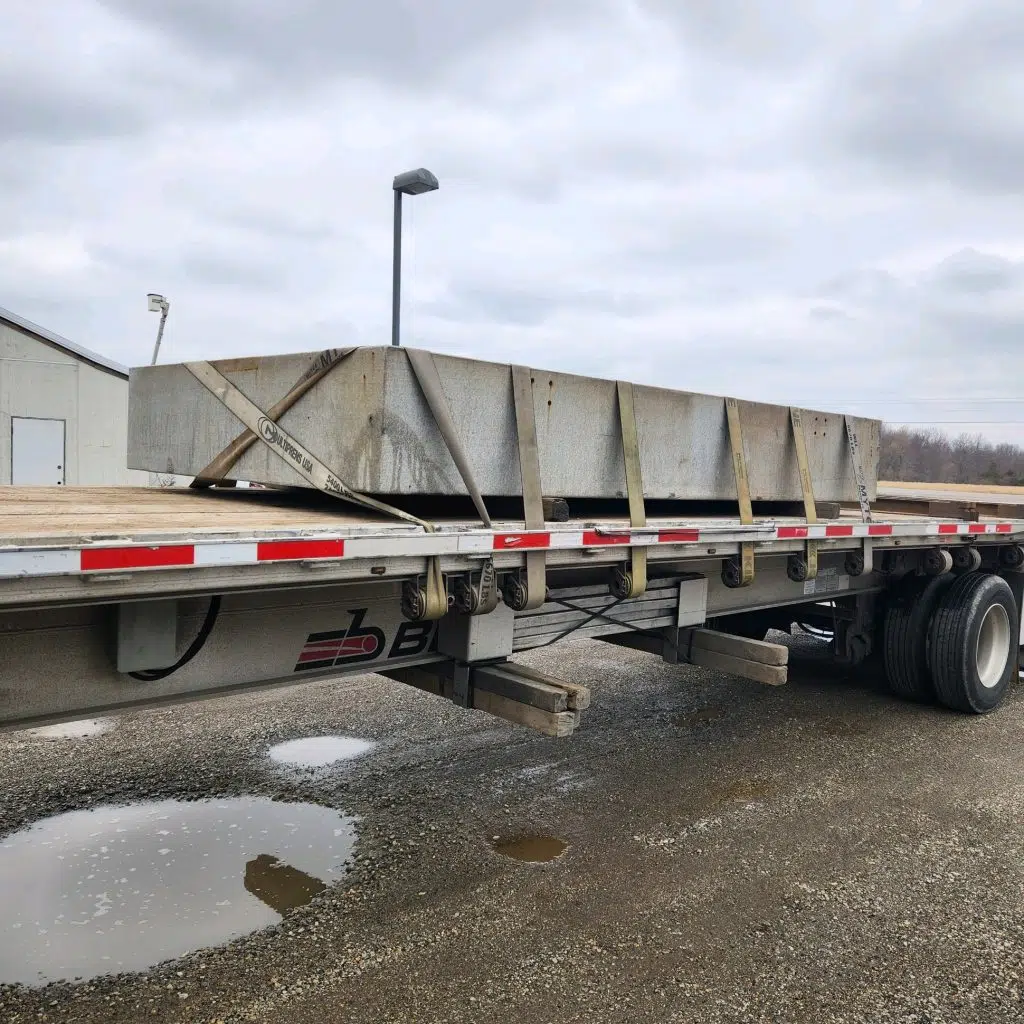
The 53 step deck trailer dimensions are what most heavy haul trucking operations use as their standard. Here’s what you’re working with:
Standard measurements:
- Length: 48-53 feet (most common is 53 feet)
- Width: 8.5 feet (102 inches) legally without permits
- Upper deck: 10-13 feet long, sits 58-60 inches high
- Lower deck: 38-42 feet long, sits just 38-42 inches from the ground
That lower deck height is your secret weapon. While a standard flatbed sits about 5 feet off the ground, a stepdeck flatbed drops to roughly 3.5 feet. This gives you an extra 1.5 feet of vertical clearance for your cargo.
Max Height on a Step Deck
The max height on a stepdeck is typically 10-11 feet of cargo without needing oversize permits. Federal regulations cap total vehicle height at 13 feet 6 inches. Since the height of step deck trailer’s lower deck is only 3-3.5 feet, you can legally haul freight up to 10 feet tall on most highways.
Compare that to a standard flatbed where anything over 8.5 feet requires permits, and you see why step decks dominate the <a href=”#”>heavy haul trucking</a> industry for taller equipment.
| Trailer Dimension | Standard Flatbed | Step Deck Semi Trailer |
| Deck Height | 58-60 inches | 38-42 inches (lower deck) |
| Max Cargo Height (No Permit) | ~8.5 feet | 10-11 feet |
| Total Length | 48-53 feet | 48-53 feet |
| Legal Width | 8.5 feet | 8.5 feet |
| Weight Capacity (2-axle) | 46,000-50,000 lbs | 48,000 lbs |
| Weight Capacity (tri-axle) | N/A | 42,500 lbs+ (varies by state) |
Tri Axle Step Deck: When You Need More Capacity
A tri axle step deck adds a third axle to increase your legal weight capacity. In many states, this bumps your trailer capacity from 40,000 pounds on a standard tandem to 42,500 pounds on a tri-axle configuration—assuming you maintain at least 10 feet of spread between the front and rear axle.
The tradeoff? That extra axle adds about 1,000 pounds to your trailer’s empty weight. So your actual payload increase is closer to 1,500 pounds, not the full 2,500-pound difference.
States like Montana, Wyoming, and Minnesota allow 42,500 pounds on tri-axle step decks with proper spacing. But crossing state lines? You’ll need to verify regulations for each jurisdiction. California and Oregon have different rules that can catch you off guard if you’re not prepared.
What Actually Counts as Oversize or Overweight
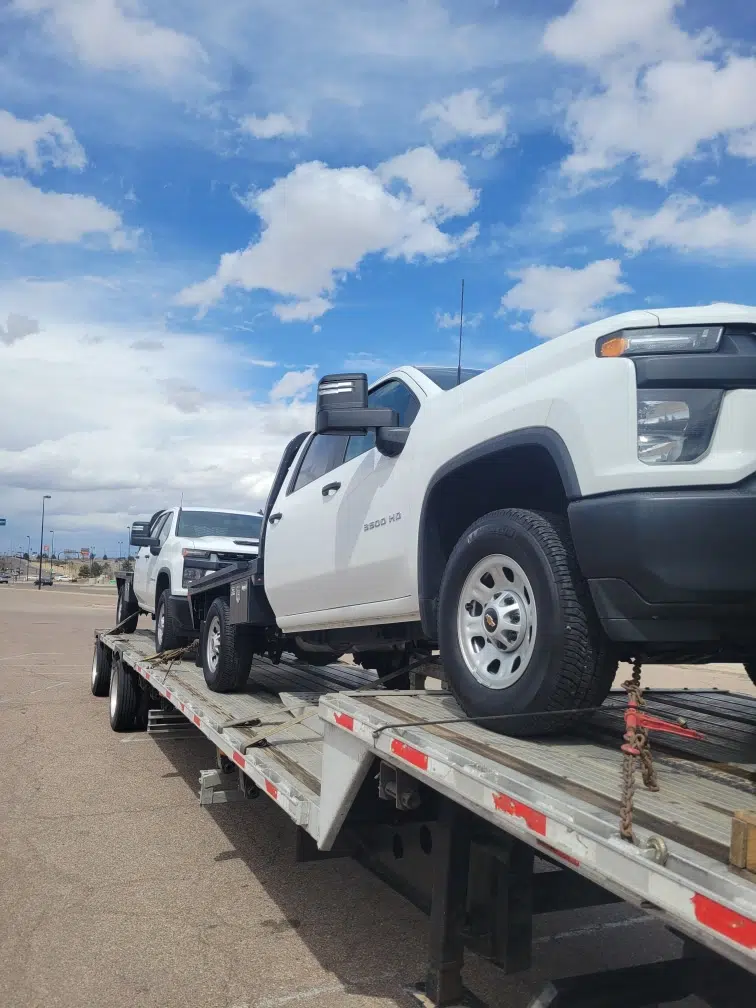
An oversize load is one that exceeds the standard dimensions of length, width, or height. Here’s where you cross into permit territory:
Oversize thresholds:
- Width over 8.5 feet
- Height exceeding 13.5-14 feet (varies by state)
- Length beyond 53 feet
- Anything classified as a “superload” (typically 16+ feet wide, 16+ feet tall, or 160+ feet long)
Overweight thresholds:
- Exceeding 48,000 pounds on your step deck weight capacity
- Gross vehicle weight over 80,000 pounds
- Violating single axle limits (typically 20,000 pounds)
- Exceeding tandem axle limits (34,000 pounds legal, up to 44,000 permitted)
The deck between trailers and how you distribute weight across axles matters more than total weight alone. I’ve seen trucks under the 80,000-pound limit still get cited because one axle group was overloaded.
Step Deck Height and Loading Strategy
The step deck height advantage isn’t just about avoiding permits. It’s about stability.
When you load a 9-foot-tall excavator on a standard flatbed, your center of gravity sits dangerously high. That same excavator on a step deck’s lower deck sits closer to the road surface, improving handling and reducing rollover risk on curves.
Effective load distribution is critical to maintaining balance and stability during transport. Here’s what works:
- Place heavier items on the lower deck whenever possible
- Balance front-to-back weight to prevent tongue weight issues
- Check individual axle weights before you leave the yard
- Secure everything twice as well as you think you need to
Most step deck semi trailer accidents happen because someone skipped step three. You can be under gross weight and still violate axle limits if your load isn’t distributed properly.
Real Cargo Examples and Their Weight Challenges
Let me give you some real numbers from common loads:
Construction equipment:
- Caterpillar 320 Excavator: ~44,000 pounds
- John Deere 850K Dozer: ~47,500 pounds
- Bobcat S650 Skid Steer: ~8,590 pounds
Industrial machinery:
- 30-ton hydraulic press: ~60,000 pounds (requires tri-axle)
- Industrial generator (500 kW): ~18,000-25,000 pounds
- CNC machining center: 15,000-40,000 pounds
Building materials:
- Steel I-beams (per linear foot): 50-150 pounds
- Precast concrete sections: 20,000-60,000 pounds per piece
- Modular building sections: 15,000-45,000 pounds
Notice how many of these loads hover right around that 48,000-pound limit? That’s not coincidence. Step deck trailers were designed specifically for equipment manufacturers’ standard sizes.
Permit Requirements You Can’t Ignore
Getting caught without proper permits costs more than just the fine. You’re looking at:
- Immediate citations ($500-$5,000+ depending on violation)
- Forced unloading at weigh stations
- Impound fees for equipment and trailer
- Delayed delivery penalties from your customer
- DOT compliance review of your entire operation
For overweight loads, you’ll need state-specific permits. Most states require 3-5 business days minimum for permit processing. Superloads can take weeks and require:
- Route surveys
- Escort vehicles (sometimes multiple)
- Time-of-day travel restrictions
- Weekend/holiday restrictions
- Bridge analysis reports
I’ve seen companies spend $10,000+ in permit fees and escort costs for a single superload movement across multiple states.
State-by-State Variations That Matter
Federal regulations set the baseline, but states add their own requirements:
Texas: Generous with oversize permits, relatively quick processing California: Strictest regulations, requires Caltrans approval for many routes Pennsylvania: Weight limits more restrictive on some state highways New York: Height restrictions lower in some areas due to older infrastructure Florida: More flexible on coastal routes, stricter inland
Always check both federal FMCSA regulations and state DOT requirements before planning your route.
The Step Deck Max Height Sweet Spot
Here’s what I tell every operator: if your cargo is between 8.5 and 10 feet tall, a step deck is your most cost-effective option. You avoid oversize permits, avoid escort requirements, and can typically take standard routes without restrictions.
That max height on a step deck—around 10-11 feet depending on the specific trailer—represents the perfect balance of capacity and compliance.
Go taller than 11 feet and you’re into permit territory regardless of trailer type. Stay under 8.5 feet and a standard flatbed works fine and costs less. But that 8.5-10.5 foot range? That’s where step decks shine.
What Nobody Tells You About Weight Distribution
The biggest mistake I see: loading all the weight on the rear of the lower deck. Yes, that’s where your longest cargo sits, but it creates serious tongue weight problems.
Proper technique:
- Target 60-65% of weight on trailer axles
- Keep 12,000 pounds or less on steer axle
- Distribute drive axle weight evenly (34,000 pounds max on tandems)
- Use sliding axles to adjust distribution after loading
If you can slide your trailer axles forward or backward, you have tremendous flexibility in weight distribution. A 6-inch slide can shift 1,000+ pounds between axle groups.
Final Numbers That Actually Help
Let me give you a quick reference that’s actually useful:
Standard 2-axle step deck:
- Empty weight: 10,000-11,000 pounds
- Cargo capacity: 48,000 pounds
- Total length: 48-53 feet
- Lower deck: 38-42 feet usable
- Max cargo height: 10 feet
Tri-axle step deck:
- Empty weight: 11,000-12,000 pounds
- Cargo capacity: 42,500 pounds+ (state dependent)
- Total length: 48-53 feet
- Lower deck: 38-42 feet usable
- Max cargo height: 10 feet
Federal gross weight limit: 80,000 pounds (tractor + trailer + cargo)
Standard axle limits:
- Single axle: 20,000 pounds
- Tandem axle: 34,000 pounds (40,000-44,000 permitted in some states)
- Tri-axle: 42,500 pounds+ (varies significantly by state)
The Bottom Line on Step Deck Weight Capacity
Your step deck weight capacity isn’t just one number—it’s a combination of axle configuration, state regulations, gross vehicle weight, and how well you distribute your load. The 48,000-pound figure is accurate for most two-axle trailers, but understanding the full picture prevents expensive mistakes.
Know your trailer’s exact specifications. Know your route’s regulatory requirements. Know your cargo’s actual weight (not the estimate). And always, always verify your axle weights before leaving the yard.
That’s how you haul heavy without the headaches.
Frequently Asked Questions
What is the weight limit on a step deck trailer?
Most two-axle step decks can legally carry 48,000 pounds of cargo. Tri-axle configurations can handle 42,500+ pounds depending on state regulations and axle spacing.
How tall can cargo be on a step deck without permits?
You can haul cargo up to 10-11 feet tall on the lower deck without oversize permits in most states. The total vehicle height limit is 13.5 feet, and the lower deck sits only 38-42 inches high.
What’s the difference between a step deck and flatbed weight capacity?
Both typically max out around 48,000 pounds for two-axle configurations. The main difference is deck height, not weight capacity. Step decks sit lower, allowing taller cargo within legal height limits.
Do I need permits for a 50,000-pound load on a step deck?
Yes. Anything over 48,000 pounds exceeds standard trailer capacity and requires overweight permits. You’ll also need to ensure your gross vehicle weight stays under 80,000 pounds total.
Can I haul 53 feet of cargo on a 53-foot step deck?
No. The upper deck takes up 10-13 feet, leaving only 38-42 feet of usable length on the lower deck. For full 53-foot loads, you need a standard flatbed or specialized trailer.