Understanding Superload Transport Protocols
Freedom Heavy Haul can offer expedited Pickup and Delivery for any size shipment anywhere in the USA. Contact us today for No Hassle, No Pressure Pricing.
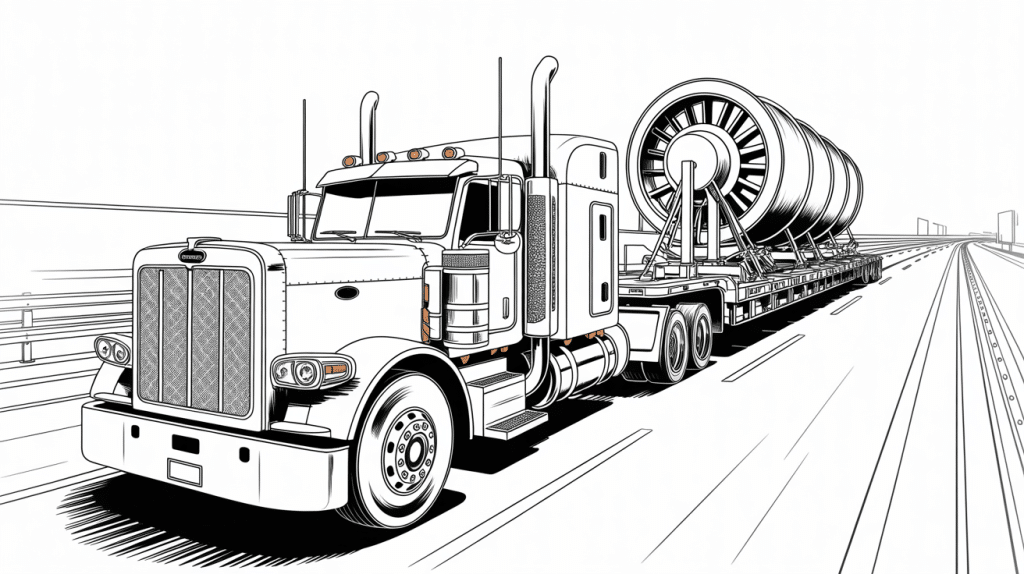
A superload is not “just a bigger oversize load.” It is a move that crosses a higher threshold of complexity, because the weight, dimensions, or axle configuration push the shipment into a category that requires deeper review, stricter controls, and tighter coordination. Superload transport protocols are the rules and planning steps that make these extreme moves safe, legal, and predictable.
If you want the full picture of where superloads fit inside the overall heavy haul workflow, start with how heavy haul transport projects are planned and executed.
What Makes a Load a “Superload”
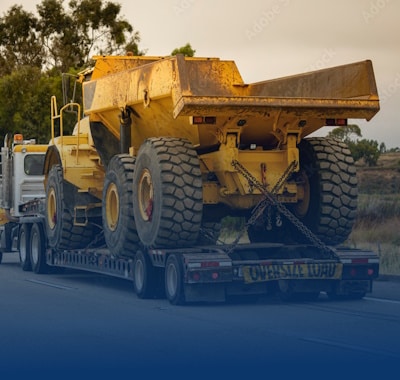
A shipment becomes a superload when it exceeds what standard oversize/overweight permitting can approve quickly using normal rules. The load might be exceptionally heavy, unusually long, extremely wide, or a combination of all three. That triggers special review because infrastructure risk becomes more serious, and the move can affect public roads in a larger way.
In simple terms: a superload is treated like a major operation, not a routine permit.
Why Superloads Are Managed Differently
Superload protocols exist for one main reason: the load’s interaction with infrastructure can’t be assumed.
When weight gets extreme, questions shift from “Is this legal?” to:
- Can this bridge support the axle group loads?
- Can the turn paths be executed without damaging curb lines or signage?
- Can traffic be controlled safely in dense areas?
- Can utilities and overhead structures be managed without risk?
This is where planning becomes more methodical and less flexible.
The “Protocol Stack” Behind a Superload Move
Think of a superload plan as layers that build on each other:
- Engineering-level route review
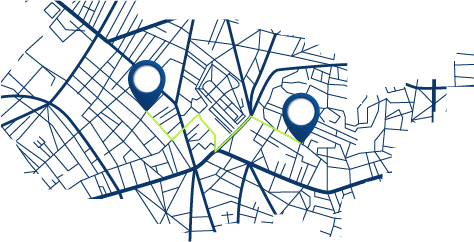
A superload route is checked more aggressively for bridge limits, road ratings, tight geometry, and exposure points. This isn’t casual navigation. It’s closer to route validation.
That’s why teams begin with oversize route planning practices before anything else is locked in.
- Axle configuration and load distribution planning
With superloads, the trailer setup and axle spacing can be the difference between approval and rejection. A small change in distribution can move the load from “too risky” to “manageable.”
This is where weight distribution strategy across axle groups becomes a required step, not an optional improvement.
- Hazard elimination before execution
Superloads don’t tolerate surprises. The plan must identify and neutralize hazards early because detours may not be available once the load is committed to a corridor.
A strong approach uses route hazard identification planning to map the “failure points” before the convoy moves.
- Coordination with external parties
For tall or wide superloads, coordination can involve utilities, municipalities, or special traffic control. This is where the move becomes a coordinated event.
If overhead exposure exists, utility coordination for overhead clearance is usually scheduled well in advance.
Escorts, Traffic Control, and Public Safety Requirements
Superload escort requirements are often more demanding. The convoy may need additional pilot vehicles, more complex intersection control, or stricter travel windows. The purpose is not to make the move “difficult,” but to keep the public safe and keep the load stable in real traffic conditions.
When the plan is done properly, the convoy behaves in a predictable way, which reduces confusion and reduces risky driver behavior around the move.
Weather Sensitivity Is Higher With Superloads
Superloads are often more sensitive to wind, visibility, and traction. A normal oversize load might tolerate mild changes. A superload may require stricter go/no-go rules.
That’s why teams use weather planning for oversized transport to avoid putting the load into conditions where control becomes uncertain.
Mechanical Readiness Matters More Than Ever
A breakdown during a superload move can create major disruption, not only for the carrier but for the entire corridor. Recovery can be slow, expensive, and risky.
This is why disciplined pre-trip inspection routines are treated as a critical safety step before superload execution.
What Customers Should Expect During Superload Projects
For equipment owners and construction companies, superload protocols usually mean:
- more lead time for planning and approvals
- stricter schedules and travel windows
- more coordination steps before pickup day
- higher emphasis on predictable execution
- fewer “quick changes” once the plan is committed
This is not a delay for the sake of delay. It’s what keeps a high-risk move controlled.
A Simple Way to Think About Superload Success
A superload move succeeds when the plan removes uncertainty.
That usually looks like:
- verified route feasibility
- stable axle loading and distribution
- hazards handled before travel
- coordinated escorts and overhead clearance
- strong inspection discipline
- weather-aware decision-making
When those pieces are aligned, a superload stops feeling like a gamble and starts feeling like a managed operation.
Conclusion
Understanding superload transport protocols is about understanding why extreme loads require extra planning, extra coordination, and stricter controls. A superload pushes infrastructure, geometry, and safety constraints harder than routine heavy haul, so the move must be built on verified routing, intelligent weight distribution, hazard prevention, and coordinated execution. When these protocols are followed carefully, even the heaviest and most complex shipments can move safely, legally, and with the kind of predictability that serious projects depend on.