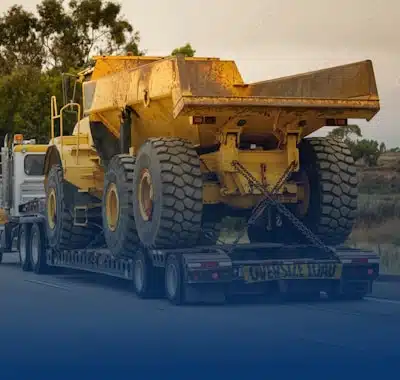
Risk planning protects heavy haul projects by looking ahead before the equipment is already moving. Oversized equipment transport depends on many connected parts: load details, permits, route conditions, weather, escort coordination, site access, loading method, unloading readiness, and delivery timing. If one part is missed, the equipment may still move, but the project around it can suffer.
That is why risk planning protects more than the machine. It protects the schedule, the crew, the budget, and the customer’s next stage of work. A late bulldozer can delay grading. A delayed transformer can affect installation. A stuck trailer can block a site entrance. A damaged machine can create downtime before the equipment even starts working.
Risk planning begins with knowing what can go wrong
A heavy haul risk plan starts by identifying the weak points in the move. Some risks come from the load itself. Others come from the road, permits, weather, or job site. The most important thing is to find those issues early while the team still has time to adjust.
Common risk areas include:
- inaccurate equipment dimensions
- missing weight details
- attachments that change height or width
- permit or route restrictions
- soft ground at pickup or delivery
- weather delays
- unclear site contacts
- limited staging space
- missing crane or unloading support
When these risks are reviewed before dispatch, the move becomes easier to control.
Equipment protection starts before loading
Heavy equipment can be damaged before it ever reaches the road. Poor loading angles, weak ground, bad trailer alignment, loose attachments, or rushed securement can all create damage risk during the first stage of the move.
Risk planning reduces that danger by confirming the machine’s condition, loading method, attachment position, and site surface before the truck arrives. That process fits directly into heavy haul risk management for oversized equipment projects, because the safest moves are planned around the real equipment and real site conditions, not assumptions.
Accurate information protects the trailer, route, and schedule
Heavy haul planning depends on exact information. A few wrong inches in height or width can change permits. A wrong weight can affect trailer choice. A missing attachment detail can change loading, route clearance, or securement.
Accurate information protects the project because it helps the carrier choose the right trailer, request the right permits, review the right route, and prepare the right loading method.
Customers can reduce risk by providing:
- current equipment photos
- exact machine dimensions
- confirmed weight
- attachment details
- pickup and delivery site information
- whether the machine runs, steers, and brakes
Better information creates fewer surprises, and fewer surprises protect the timeline.
Route planning protects both equipment and delivery timing
A route is not just a road path. For oversized equipment, the route must match the load’s height, width, length, weight, and turning needs. Low bridges, narrow roads, weak structures, utility lines, work zones, and final-mile access points can all affect the move.
When a route problem appears late, the schedule may shift quickly. Permits may need revision. Escorts may need rescheduling. Delivery windows may change. That is why route review is one of the strongest ways to protect the project timeline.
A safe route does not always mean the shortest route. It means the route that lets the equipment move legally, safely, and predictably.
Permit planning prevents schedule shock
Permit delays can affect pickup, delivery, escorts, crane scheduling, and customer labor. If permits are treated as a final paperwork step, the project may lose time when approvals take longer than expected.
Risk planning builds permit timing into the schedule from the beginning. It allows time for review, route approval, bridge checks, escort planning, and possible revisions. When permits are handled early, the project has more room to adjust if an agency requests changes or extra review.
This is especially important for multi-state moves, overweight loads, or equipment that needs special route approval.
Weather planning protects the equipment and the site
Weather can affect the equipment, trailer, road, driver, escorts, and delivery site. Rain can soften ground. Wind can affect tall or wide loads. Ice can reduce traction. Heat can increase strain on tires and crews. Fog can make escort coordination harder.
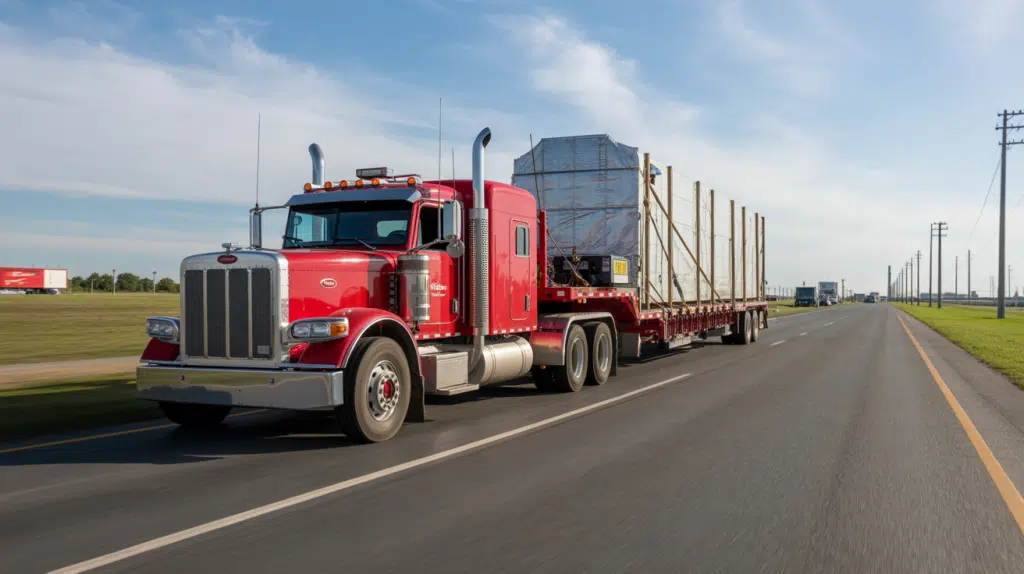
Risk planning does not mean weather will never delay a move. It means weather will not catch the project completely unprepared.
A practical weather plan may include:
- checking conditions along the route
- confirming ground condition at pickup and delivery
- planning staging locations
- preparing for slower movement
- checking whether cargo needs weather protection
- communicating timing changes early
Weather risk becomes easier to manage when it is included in the plan instead of treated as a surprise.
Communication protects the timeline from avoidable confusion
Many project delays happen because someone had information, but it did not reach the right person soon enough. The driver may not know the correct gate. The site may not know the delivery time. The customer may not know a permit is still pending. The crane crew may expect the load at a different hour.
Clear communication protects the timeline by keeping the carrier, customer, driver, escort team, permit coordinator, and receiving site aligned.
When the plan changes, communication should answer:
- what changed
- who needs to know
- whether timing is affected
- whether site preparation must change
- whether permits, escorts, or support crews are affected
A small update at the right time can prevent a large delay later.
Contingency planning protects the project when conditions change
Even strong plans can meet real-world problems. Roads close. Weather shifts. Sites fall behind. Cranes get delayed. Ground conditions change. A contingency plan gives the team safe options when that happens.
A useful contingency plan may include:
- alternate staging areas
- backup delivery windows
- revised communication contacts
- route adjustment options
- weather delay decisions
- support equipment alternatives
- site access backup plans
This kind of planning protects the project timeline because the team does not have to invent every answer under pressure.
Delivery readiness protects the final stage of the move
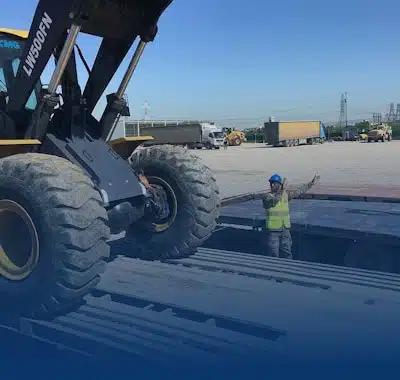
A heavy haul move is not finished when the truck reaches the destination. The equipment still has to unload safely and reach the correct place. If the site is not ready, the delivery can lose time at the most important moment.
Delivery readiness means confirming:
- site entrance
- unloading location
- ground condition
- staging space
- support equipment
- receiving contact
- final equipment placement
- trailer exit path
These details protect the equipment from rushed unloading and protect the project from avoidable site disruption.
Risk planning reduces cost by reducing disruption
Heavy haul risk planning may look like extra preparation, but it often prevents more expensive problems. Waiting time, permit revisions, route changes, crane delays, damaged equipment, missed delivery windows, and site downtime can all cost more than early planning.
The value of risk planning is simple: it reduces the number of problems that must be solved at the most expensive moment.
When risk is handled early, the project stays calmer. The customer has better expectations. The carrier has better options. The equipment reaches the site with less stress around it.
What customers should expect from a risk-aware carrier
A risk-aware heavy haul carrier does not only ask for pickup and delivery addresses. The carrier asks questions that protect the move.
Customers should expect questions about:
- equipment dimensions and weight
- attachments and travel position
- machine condition
- pickup and delivery access
- permits and timing needs
- route restrictions
- weather-sensitive conditions
- unloading support
- site contacts
- delivery deadlines
These questions are not delays. They are signs that the carrier is planning carefully.
Conclusion
Risk planning protects equipment and project timelines by identifying problems before they interrupt the move. It helps prevent damage during loading, permit delays before pickup, route problems on the road, weather surprises during movement, communication gaps between teams, and unloading issues at delivery.
The core reality is simple: heavy haul transport is safest when risk is planned early instead of discovered late. When the equipment, route, permits, weather, site access, communication, and contingency options are reviewed before movement begins, the project becomes more predictable. The machine is protected, the schedule is protected, and the customer gets a delivery that supports the work waiting at the destination.