Heavy haul transport for energy, power, and utility infrastructure moves the equipment that keeps electrical systems, generation sites, substations, utility corridors, and remote energy projects working. Transformers, switchgear, generators, substation components, utility poles, control units, and grid expansion materials are not ordinary freight. They are often heavy, high-value, route-sensitive, and tied to important installation windows.
A utility load may not always look as dramatic as a crane or mining machine, but the consequence of late or damaged delivery can be serious. A transformer may be needed before a substation can move forward. Switchgear may have to arrive before electrical crews can complete installation. Utility poles and long infrastructure materials may need to reach a corridor before field crews can continue. That is why energy and utility transport depends on timing, protection, route planning, and site coordination working together.
Utility transport starts with the equipment’s role in the system
Energy and utility cargo usually has a clear purpose before it ever reaches the trailer. A transformer changes voltage for a power system. Switchgear controls and protects electrical circuits. Power generation equipment supports production, backup supply, or site operations. Utility poles and long materials support line construction, maintenance, or expansion.
Because each item supports a larger system, the transport plan should consider more than weight and dimensions. It should also consider installation timing, outage windows, staging space, site access, and whether the equipment needs protection from weather, vibration, shock, or poor handling.
Transformers need controlled support and careful routing
Transformers are some of the most sensitive heavy haul loads in utility work. They can be extremely dense, expensive, and difficult to replace quickly. Their weight may affect axle planning, bridge review, trailer choice, and route approval, while their value and function make careful loading and delivery important.
When transformers are transported for utility projects, the move should account for support points, lifting points, securement, route restrictions, shock exposure, and delivery timing. A transformer must not only arrive. It must arrive in a condition that allows the utility project to continue.
Substation equipment often moves as project cargo
Substation equipment may include transformers, breakers, buswork, control buildings, steel structures, switchgear, grounding components, and other electrical systems. These pieces may travel as separate loads, but they still belong to one project sequence.
A substation delivery can become difficult if the wrong component arrives first, if staging space is limited, or if crews are not ready to receive the load. That is why substation equipment moved by heavy haul carriers needs sequencing, site coordination, and clear delivery instructions. The carrier is not just dropping equipment at a site. The carrier is supporting a buildout or upgrade schedule.
Power generation equipment requires planning around weight and function
Power generation equipment can include generators, turbines, engines, skids, cooling units, fuel-related systems, packaged power units, and support components. Some loads are compact and dense. Others are long, tall, or sensitive to vibration and exposure.
Transport planning should account for the equipment’s base frame, lifting requirements, support areas, and final placement needs. When power generation equipment is planned for transport, the cargo often needs a trailer and route that protect both the machine and the schedule behind it.
Electrical switchgear and control units need protection from more than size risk
Switchgear and control units may not always be the heaviest loads in a utility project, but they can be sensitive and high-value. Moisture, vibration, shock, poor support, or careless securement can create problems that may not be visible until installation or testing.
When electrical switchgear and control units are transported, the plan should include weather protection, stable support, careful handling, and clear delivery coordination. These units are not just boxes on a trailer. They are working parts of an electrical system.
Utility poles and long infrastructure materials change the route problem
Utility poles, steel structures, beams, conduits, and other long materials often create length and turning challenges rather than extreme weight problems. A load may not be especially dense, but it can still require careful routing because of overhang, rear swing, escort needs, and tight access roads.
When utility poles and long infrastructure materials are moved safely, the trailer must support the length, the route must handle turning behavior, and the delivery site must have enough room to stage the materials without blocking crews or access roads.
Grid expansion projects depend on coordinated heavy haul support
Grid expansion often involves multiple pieces of equipment moving into different sites, substations, corridors, or remote locations. The work may involve transformers, switchgear, poles, steel structures, generation support equipment, or temporary power units. These loads may move at different times but still support one larger project.
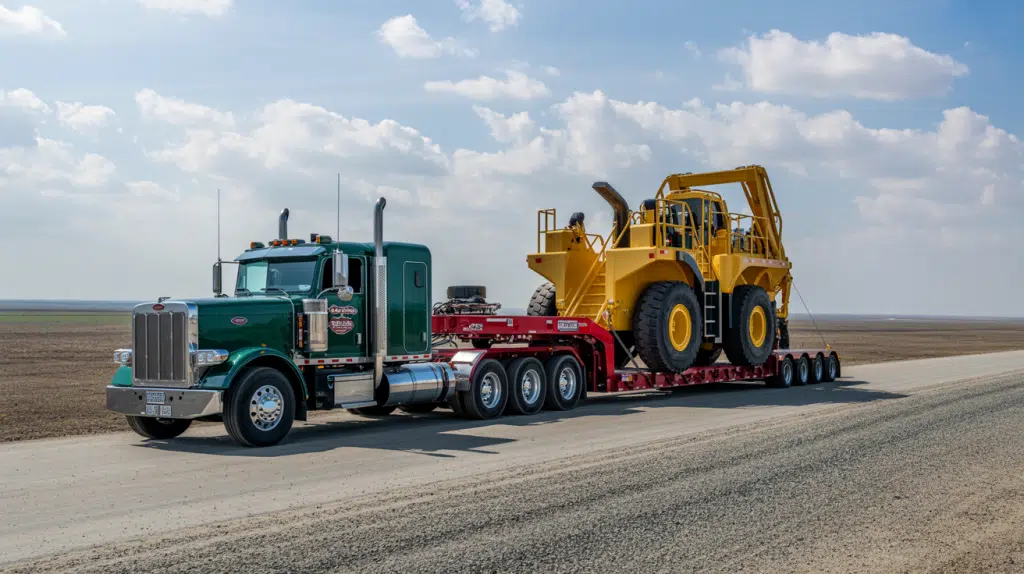
That is why heavy haul supports grid expansion projects through scheduling, routing, staging, and communication. The transport plan helps equipment arrive when crews, permits, foundations, cranes, and installation teams are ready.
Utility equipment delivery needs precise scheduling
Utility projects often have narrow timing requirements. A planned outage, crane booking, road access window, line crew schedule, or substation installation step may determine when equipment can be received. If the delivery arrives too early, the site may not have safe staging space. If it arrives late, crews may wait and the project sequence may shift.
When utility equipment delivery requires precise scheduling, the best delivery time is not simply the fastest available slot. It is the window where the site can receive, unload, inspect, stage, and install the equipment without unnecessary disruption.
Remote energy sites create access and staging challenges
Energy infrastructure is not always located near easy roads. Wind sites, solar farms, substations, oilfield locations, generation sites, and utility corridors may involve rural roads, temporary access paths, narrow turns, soft ground, steep grades, or limited staging areas.
When remote energy sites affect heavy haul planning, the final miles can matter as much as the highway route. The transport team may need to confirm access roads, ground conditions, turning space, unloading support, and whether weather can change site conditions before delivery.
Utilities should prepare details before oversized equipment transport
Utility teams can reduce delays by sharing complete information early. Equipment dimensions, true weight, lifting points, delivery restrictions, outage windows, crane needs, staging limits, and site access details all shape the transport method.
Before utilities prepare for oversized equipment transport, they should gather the practical information that helps the carrier plan the trailer, permits, route, timing, securement, and delivery sequence correctly.
Trailer choice depends on the load and site
Energy and utility cargo may need different trailer types depending on the shipment. A transformer may require multi-axle support. A generator may need a low deck or crane loading. Long utility poles may need an extendable trailer. Switchgear may need protected handling and stable support rather than the heaviest trailer available.
The trailer should match the cargo’s dominant problem: height, weight, length, sensitivity, loading method, or route limitation. Choosing the trailer too quickly can create problems later in the permit, route, or delivery stage.
Route planning protects infrastructure and schedule
Utility heavy haul routes must be checked for bridges, clearances, road restrictions, turns, utility conflicts, and final-mile access. For overweight loads, bridges and axle distribution may be the main concern. For long materials, turning radius may matter more. For tall equipment, overhead clearance may control the route.
A good route does not only get the load to the destination. It gets the load there in a way that protects the cargo, the road system, the public, and the project schedule.
What utility teams should confirm before scheduling transport
A smoother utility transport plan usually begins with accurate details. Helpful information includes:
- equipment type and project role
- confirmed shipping weight
- transport height, width, and length
- lifting and support-point details
- whether the cargo is sensitive to shock, vibration, or weather
- pickup and delivery site photos
- access road conditions
- crane, forklift, or rigging support needs
- outage windows or installation deadlines
- staging and laydown space
- site contact information
These details help the carrier build a transport plan around the real project, not assumptions.
Conclusion
Heavy haul transport for energy, power, and utility infrastructure requires careful planning because the cargo often supports essential systems and project-critical schedules. Transformers, substation equipment, power generation units, switchgear, utility poles, and grid expansion materials each create different transport challenges. Some loads are dense and heavy. Some are long. Some are sensitive. Some are tied to precise installation windows.
The core reality is simple: utility cargo is safest when transport planning supports both the equipment and the system it belongs to. When the trailer, route, permits, site access, timing, and delivery sequence are aligned, heavy haul transport helps energy and utility projects move forward with less risk and fewer delays.