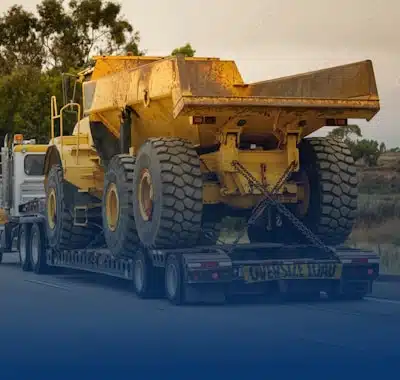
Oversized freight costs more because it removes the efficiencies that make standard shipping simple. A normal shipment usually fits common trailers, travels on flexible routes, and moves without much legal coordination. An oversized load changes that equation. The moment the cargo exceeds ordinary limits, the carrier has to solve more problems before the truck even starts moving.
That wider pricing picture is part of the full cost structure behind heavy haul transport pricing, where the quote reflects planning, compliance, equipment, and execution rather than miles alone.
Standard freight benefits from repetition
Standard freight is cheaper partly because the industry is built around it. Common trailers, common legal dimensions, familiar highways, and broad scheduling options make those moves easier to price and easier to execute. The carrier does not need to redesign the move each time. Much of the work is already predictable.
Oversized transport does not enjoy that same simplicity. Each load can change the route, the trailer, the permit conditions, the travel window, or the public-road controls required to complete the trip.
Size creates restrictions, and restrictions create cost
An oversized load usually becomes more expensive the moment it starts limiting flexibility. Extra width may require escorts. Extra height may narrow the route to corridors with safe clearances. Extra length may reduce turning options and trailer choices. Extra weight may create axle, bridge, and permit challenges even if the load does not look especially large.
The shipment becomes more expensive not because it is “big” in the abstract, but because its dimensions start controlling how the move must happen.
More planning is built into oversized transport
Standard freight often moves with routine dispatch planning. Oversized freight usually demands a more deliberate setup. The carrier may need to review trailer fit, route conditions, legal restrictions, travel timing, and support requirements before the load can be priced with confidence.
That added effort is one reason heavy haul quotes are shaped by project conditions rather than only by distance. A move that needs more pre-planning usually costs more because more work is happening before the truck rolls.
Equipment options become narrower
A standard shipment can often move on common trailer equipment. Oversized freight frequently cannot. Once the load requires a lower deck, a more specialized trailer, a multi-axle setup, or a configuration that supports unusual dimensions, the move becomes more expensive because the equipment itself becomes more specialized.
And when specialized equipment enters the picture, trailer availability, scheduling flexibility, and setup effort all begin to affect cost at the same time.
The route stops being just a road
A standard freight route is often chosen for convenience and efficiency. An oversized route is often chosen for feasibility. Bridges, clearances, urban bottlenecks, construction zones, narrow turns, and legal travel conditions can all limit where and when the load can move.
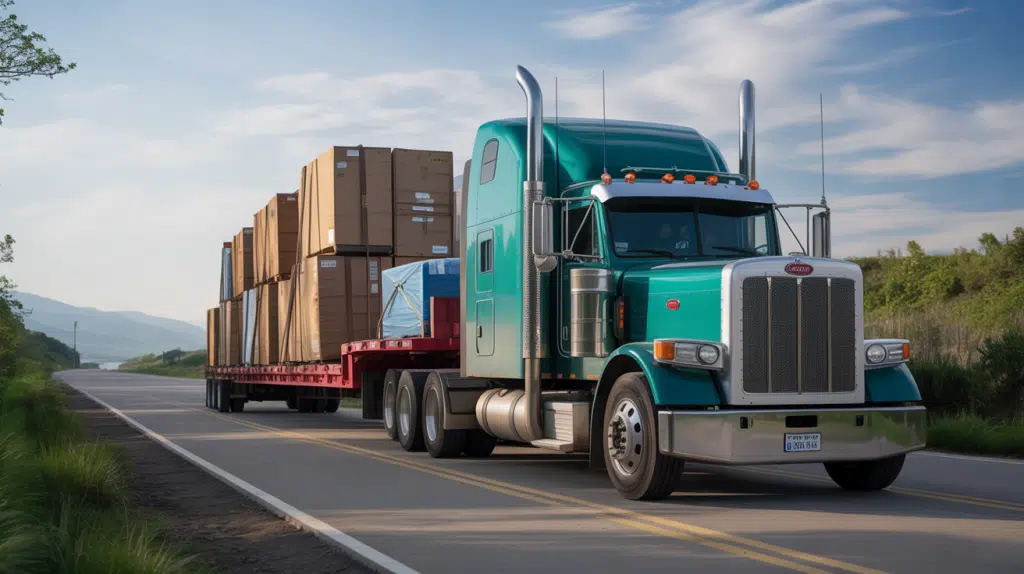
That is why the route itself starts becoming part of the price. A useful comparison is how route complexity raises heavy haul transport costs, because oversized freight is often expensive for the same reason it is difficult: the route is no longer flexible.
Compliance becomes part of the project
Standard freight can often move without special legal coordination beyond normal commercial requirements. Oversized transport may need permits, escorts, restricted travel windows, or routing that changes from one jurisdiction to another. Those are direct costs, but they also create indirect pricing pressure because they limit how freely the move can be scheduled and executed.
Once the shipment requires more legal control, the carrier is pricing both transport and compliance.
Slower movement changes the economics
Oversized loads often travel more slowly than standard freight. They may move only during certain hours. They may require more staging, more checks, and more controlled progress through difficult sections. That means the truck, trailer, and crew are tied up longer for the same number of miles.
This matters because time is part of transport cost. A shipment that moves with less speed and less flexibility usually carries a higher operational price even if the distance is not extreme.
The risk level is higher
An oversized move usually leaves less room for error. If the load is taller, wider, heavier, or harder to route, the consequences of poor planning increase. That higher exposure influences pricing because the carrier must bring more structure and more caution into the move.
In practical terms, the quote includes the cost of preventing problems, not just the cost of reacting to them later.
Customers are often comparing two very different services
One reason oversized pricing can feel surprising is that customers are sometimes comparing it mentally to standard freight. But these are not the same service. Standard shipping moves familiar cargo through a familiar system. Oversized transport is a managed project where the carrier may need to adapt the trailer, route, timing, and compliance strategy around one specific load.
That difference is the real answer to the pricing gap.
Conclusion
Oversized loads cost more than standard freight because they reduce flexibility and increase the amount of control required to complete the move. Standard freight benefits from common equipment, common routes, and routine execution. Oversized freight often needs specialized trailers, route review, legal coordination, slower travel, and more detailed planning. The higher price is not simply a premium for size. It is the cost of moving a restricted load safely, legally, and without avoidable disruption.