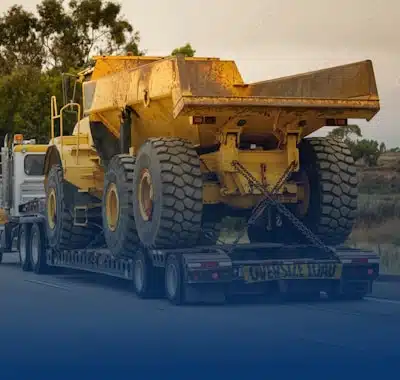
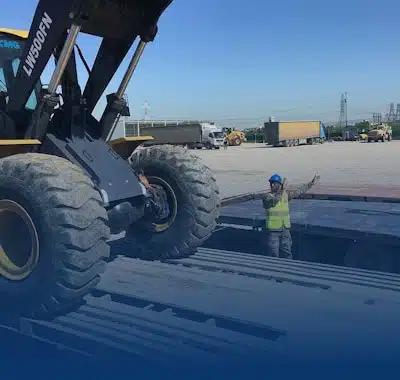
We specialize in moving heavy equipment. Our team is here to guide you through transporting dozers. We aim to share our knowledge to ensure your dozers are moved safely and efficiently.
Every detail is important when moving dozers. That’s why we’ve put together a detailed guide. By visiting our website and reading the dozer transportation guide, you’ll learn a lot. Our team is dedicated to providing top-notch heavy hauling services. We’re sure our guide will be a valuable resource for your business.
Understanding Dozer Transportation Fundamentals
We are experts in hauling dozers and moving heavy machinery. We know how crucial a well-planned transport operation is. When transporting dozers, several factors come into play. These include the type of dozer, its weight and size, and the transport equipment needed.
Our team has a lot of experience in dozer transport. We provide tips and ensure each transport is safe and efficient. We handle different dozers like bulldozers, crawler dozers, and wheeled dozers.
Types of Dozers and Their Transport Requirements
When moving dozers, weight and size are key. This info helps decide the trailer and equipment needed. Our team will make sure the dozer and other property are safe.
Weight and Size Considerations
Important things to think about for dozer transport include:
- Dozer weight and size
- Trailer capacity and type
- Tie-downs and securing equipment
- Route planning and navigation
Basic Equipment Needed for Transport
We offer reliable and expert heavy hauling services. We have the right equipment and know-how for a successful transport. Whether it’s one dozer or many heavy machines, we’re here to assist.
Legal Requirements and Permits for Dozer Transportation
Transporting dozers and other construction equipment must follow strict rules. This includes getting special permits for oversized loads. Our team makes sure we have all the right permits before moving a dozer.
It’s also key to think about environmental permits. We look at how oversized loads might affect the environment. Our goal is to haul heavy equipment safely and with care for the planet.
Some important things to remember include:
- Getting oversized load permits for dozers that are too big or heavy
- Following rules for construction equipment permits
- Getting environmental permits to lessen the load’s impact
We know how to handle these rules to move dozers and other equipment safely. Our knowledge lets us deal with complex rules and give our customers confidence.
| Permit Type | Description |
|---|---|
| Oversized Load Permit | Required for dozers that exceed size and weight limits |
| Construction Equipment Permit | Required for transporting construction equipment, including dozers |
| Environmental Permit | Required to minimize the environmental impact of transporting oversized loads |
Selecting the Right Transport Equipment
Choosing the right transport equipment for bulldozers is key for a smooth operation. We know how important it is to match the trailer’s capacity with the dozer’s size for safe transport. Our team has put together a guide to help you through this process.
There are different trailers for dozer transport, like flatbed, step-deck, and lowboy trailers. Each has its own benefits. For instance, flatbed trailers work well for smaller dozers, while lowboy trailers are best for the bigger, heavier ones.
Types of Trailers for Dozer Transport
- Flatbed trailers: ideal for smaller dozers
- Step-deck trailers: suitable for dozers with unique size or weight requirements
- Lowboy trailers: designed for larger, heavier dozers
When moving bulldozers, the weight and size of the equipment matter a lot. Our guide helps you match the trailer’s capacity to the dozer’s specs. It covers weight calculations and size considerations. By using our guide, you can make sure the transport is safe and successful.
| Trailer Type | Weight Capacity | Size Limitations |
|---|---|---|
| Flatbed Trailer | 40-60 tons | Up to 40 feet in length |
| Step-Deck Trailer | 60-80 tons | Up to 53 feet in length |
| Lowboy Trailer | 80-100 tons | Up to 60 feet in length |
By picking the right transport equipment and following our guide, you can ensure a safe and successful dozer transport. Our team is committed to providing reliable and efficient heavy hauling services. We’re excited to work with you to meet your dozer transport needs.
The Ins and Outs of Transporting Dozers: A Comprehensive Guide
We are experts in moving heavy equipment, including transporting dozers. We know how important it is to plan well. This includes choosing the right route, checking the weather, and managing traffic.
When we handle the ins and outs of transporting dozers, we look at the dozer’s size, weight, and details. We pick the best transport gear and plan the best route. This way, we offer top-notch heavy hauling services.
Important things to think about when moving dozers include:
- Route planning: finding the safest and most efficient way to go
- Weather forecasting: getting ready for any weather issues
- Traffic management: working with traffic authorities to avoid delays
We focus on these points to ensure dozers are moved safely, no matter the terrain or weather. Our aim is to offer transporting heavy equipment services that fit each customer’s needs. We always keep safety and reliability first.
| Transport Method | Advantages | Disadvantages |
|---|---|---|
| Land Transport | Cost-effective, flexible routing | Weather-related delays, traffic congestion |
| Sea Transport | High capacity, reduced traffic congestion | Weather-related risks, longer transit times |
Our knowledge in the ins and outs of transporting dozers helps us solve these problems. By picking our services, businesses can be sure their heavy equipment is moved safely and efficiently. This lets them concentrate on their main work.
Loading and Securing Procedures
When hauling dozers, loading and securing is key. We make sure every detail is covered before moving. Our team checks off a list to ensure everything is ready for transport.
Using the right tie-downs is crucial to avoid damage and keep the dozer safe. Our experts know how to secure it properly, considering its weight and size.
Pre-Loading Checklist
- Inspect the dozer for any damage or issues
- Check the weight and dimensions of the dozer
- Choose the right trailer and equipment for transport
- Secure the dozer using proper tie-down techniques
By sticking to these steps, we ensure safe and efficient transport of dozers and heavy machinery. Our aim is to offer reliable hauling services, keeping both customers and equipment safe.
| Equipment | Weight Capacity | Dimensions |
|---|---|---|
| Dozer | 20-50 tons | 10-20 feet |
| Trailer | 50-100 tons | 20-40 feet |
Route Planning and Navigation Challenges
Transporting construction equipment, like dozers, needs careful planning for safe and efficient travel. It’s important to pick the right route to avoid obstacles like low bridges and narrow roads. We also need to think about construction zones.
Our team of experts looks at many factors for route planning. We consider road conditions, weather forecasts, and traffic patterns. We also think about the size and weight of the load. This helps us choose the best transportation methods and equipment.
Some key things to think about when planning a route include:
- Avoiding low bridges and narrow roads to prevent damage to the equipment or surrounding infrastructure
- Choosing routes with minimal traffic congestion to reduce the risk of accidents or delays
- Considering weather conditions, such as inclement weather or extreme temperatures, that may impact the transportation process
By planning the route carefully, we can ensure your construction equipment is moved safely and efficiently. Whether it’s construction equipment or oversized loads, our goal is to offer reliable and expert heavy hauling services. We aim to meet your needs and exceed your expectations.
| Route Planning Considerations | Importance Level |
|---|---|
| Road Conditions | High |
| Weather Forecasts | Medium |
| Traffic Patterns | Low |
At our company, we’re dedicated to providing top-notch service. We ensure the safe transport of your construction equipment. By choosing us, you can be sure your equipment is in safe hands. It will be delivered to its destination safely and efficiently.
Cost Considerations and Insurance Requirements
Transporting bulldozers comes with costs and the need for insurance. We break down the expenses, including equipment, labor, and fuel. Our aim is to keep our clients informed and ready for the journey.
As heavy equipment transport experts, we stress the importance of insurance. This includes liability, cargo, and equipment insurance. The right coverage protects against risks and ensures equipment safety. We also offer tips on managing risks, like using safety gear and regular maintenance.
Transport Cost Breakdown
- Equipment costs: This includes the cost of the trailer, truck, and any other equipment needed for transport.
- Labor costs: This includes the cost of hiring experienced drivers and equipment operators.
- Fuel costs: This includes the cost of fuel for the truck and any other equipment used during transport.
Our dozer transport tips help ensure a safe and successful move. We’re dedicated to reliable heavy hauling services and customer trust. Whether it’s bulldozers or other heavy equipment, we have the skills and resources to handle it.
| Insurance Type | Description |
|---|---|
| Liability Insurance | Covers damages to third parties or their property |
| Cargo Insurance | Covers damage to the equipment during transport |
| Equipment Insurance | Covers damage to the trailer, truck, and other equipment |
Common Challenges and Solutions in Dozer Transport
Transporting heavy equipment like dozers can be tricky. We’ve seen issues like bad weather, construction zones, and equipment failures. Our guide aims to help with these problems.
Having a backup plan is key when moving heavy gear. This includes having extra equipment, finding different routes, and planning for emergencies. Being ready helps avoid delays and keeps dozers safe.
Here are some ways to tackle common dozer transport issues:
- Plan routes carefully to dodge construction and dangers
- Use special trailers and gear for safe transport
- Have emergency plans ready for breakdowns or other problems
By following our guide and being proactive, we can move dozers safely and efficiently. Our team is here to offer reliable hauling services. We promise to keep your trust and your equipment safe.
Safety Protocols and Best Practices
Safety is our number one concern when moving dozers and heavy machinery. We know that moving big equipment needs careful planning to avoid accidents. Our company has strict safety rules and practices to make sure everything goes smoothly.
Our team considers many things like weather, road conditions, and the type of equipment. They get special training on hauling dozers and other heavy machines. This helps them handle any problem that might come up during transport.
Weather Considerations
Bad weather can be a big risk when moving equipment. So, we watch the weather closely and plan our routes wisely. Our team is ready for emergencies like bad weather. They have the right tools and know-how to keep dozers and heavy machinery safe.
Emergency Response Planning
If an emergency happens, our team acts fast and right. We have a detailed emergency plan for accidents, equipment failures, and other surprises. Our aim is to keep things moving and ensure safe transport of dozers and heavy machinery.
Communication Guidelines
Good communication is key to our success. We keep in touch with our team, clients, and others involved in the transport. Our team is ready 24/7 to answer any questions or worries. This gives our clients confidence that their equipment is in good care.
By sticking to these safety rules and practices, we make sure dozers and heavy machinery are moved safely and efficiently. Our clients trust us for reliable hauling services. Our team is dedicated to providing top-notch service and support, making us the best choice for moving heavy equipment.
Pioneering the Future of Heavy Equipment Transportation
At Freedom Heavy Haul, we’re all about leading the way in transporting construction equipment. We keep up with the latest trends and tech in dozer transport. This includes things like self-driving cars, top-notch safety gear, and green fuels.
Our aim is to give our clients the best in transport services. We want to make sure their equipment gets to where it needs to go safely and on schedule. This way, we help our clients succeed in a fast-changing world.
We’re always looking to the future and helping our customers navigate new chances and hurdles. With our knowledge and insights, we help businesses stay ahead. Come join us as we break new ground in heavy equipment transport. Together, we’ll set new standards for reliability, safety, and being green in this exciting field.
FAQ
What are the different types of dozers and their transport requirements?
There are many types of dozers, each needing special transport care. You have bulldozers, crawler dozers, and wheeled dozers. Each has its own weight and size needs for moving.
What basic equipment is needed for transporting dozers?
To move dozers, you need trailers, ramps, tie-downs, and safety gear. Picking the right trailer and making sure the load is balanced is key for a smooth move.
What legal requirements and permits are needed for dozer transportation?
Moving dozers means following many laws and getting the right permits. You need oversized load permits, construction equipment permits, and environmental permits. Knowing and following these rules helps avoid fines and keeps the transport safe.
How do I select the right transport equipment for my dozer?
Choosing the right transport gear, like the right trailer, is vital. Make sure the trailer fits the dozer’s weight and size for a stable load.
What are the key considerations for loading and securing a dozer for transport?
Loading and securing a dozer right is crucial for safe transport. Use a checklist, tie-downs, and balance the load for a stable move.
How do I plan the transportation route and navigate potential challenges?
Planning the route is key for dozer transport. Think about low bridges, narrow roads, and weather. Plan for tough terrain and weather to avoid problems.
What are the cost considerations and insurance requirements for dozer transportation?
Transporting a dozer costs money, including equipment, labor, and fuel. You also need the right insurance, like liability and cargo insurance, to cover risks.
What are some common challenges and solutions in dozer transport?
Challenges include bad weather, construction zones, and equipment failures. Solutions like backup plans, alternative routes, and emergency kits can help overcome these issues.
What are the key safety protocols and best practices for transporting dozers?
Safety is top priority in dozer transport. Consider weather, have emergency plans, and communicate clearly. Following best practices ensures a safe transport.
How is your company pioneering the future of heavy equipment transportation?
Our company leads in heavy equipment transport. We look at new trends and tech, like autonomous vehicles and sustainable fuels, to make transport safer and more efficient.
Looking for reliable heavy equipment transport? Freedom Heavy Haul offers competitive rates and professional service for machinery shipping across the entire United States.