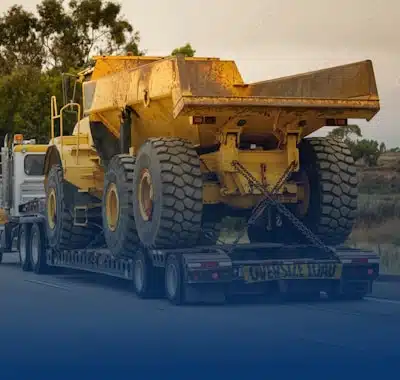
Heavy haul delivery timing affects construction projects because equipment is usually needed for a specific phase of work, not just for general site use. An excavator may be needed before trenching starts. A bulldozer may need to arrive before grading can continue. A crane may depend on a lift window. A roller may be needed only after the surface is ready for compaction.
That timing matters because construction sites move in sequences. One machine supports the next crew, the next task, and sometimes the next subcontractor. If heavy equipment arrives too late, crews may wait. If it arrives too early, it may block access, occupy staging space, or sit in the wrong location before the site is ready.
Construction equipment delivery should match the work phase
A construction machine is most valuable when it arrives close to the time it can be used. Delivering equipment without considering the work phase can create unnecessary problems.
For example, a dozer delivered before the grading area is ready may sit in the way. A crane delivered before mats, counterweights, or assembly space are prepared may delay the lift setup. A telehandler delivered too late may leave crews without the material-handling support they need.
That is why heavy haul transport for construction site equipment and machinery should be planned around site workflow, not only pickup availability.
Late equipment delivery can delay crews and other machines
A delayed machine can affect more than one operator. If an excavator is late, trenching may stop. If a roller is late, paving or compaction work may wait. If concrete equipment is late, the crew may lose valuable preparation time before a pour or placement phase.
These delays can affect:
- labor schedules
- subcontractor timing
- rental equipment use
- material deliveries
- crane or lift windows
- traffic-control plans
- inspection schedules
- customer deadlines
The equipment may be one load, but its timing can influence several parts of the job.
Early delivery can create its own problems
Early delivery sounds helpful, but it is not always better. A construction site may not have extra room for oversized equipment. The machine may block access roads, material storage, crane setup areas, or temporary traffic paths. If the site is not ready to receive the equipment, the delivery can create congestion instead of progress.
Early delivery can also expose equipment to unnecessary risk. A machine may sit in mud, near active work, or in a location where it needs to be moved again before use. The better goal is not always early delivery. The better goal is useful delivery.
Delivery timing should consider site access
Construction sites change throughout the day. A gate may be open in the morning but blocked later by material deliveries. A haul road may be firm in dry conditions but soft after rain. A lane closure may only be active during a specific window. A crane or telehandler may need space that disappears once other crews begin work.
Because of that, delivery timing should match access conditions. The transport team should know when the site can safely receive the truck, where the trailer can stage, and how the equipment will move after unloading.
A timed delivery works best when the site is ready before the truck reaches the entrance.
Crane deliveries are especially sequence-sensitive
Crane delivery timing can affect the entire lift plan. Crane bodies, boom sections, counterweights, mats, and rigging may arrive as separate loads. If one component arrives out of order, the assembly crew may wait or the site may become crowded with parts that cannot yet be used.
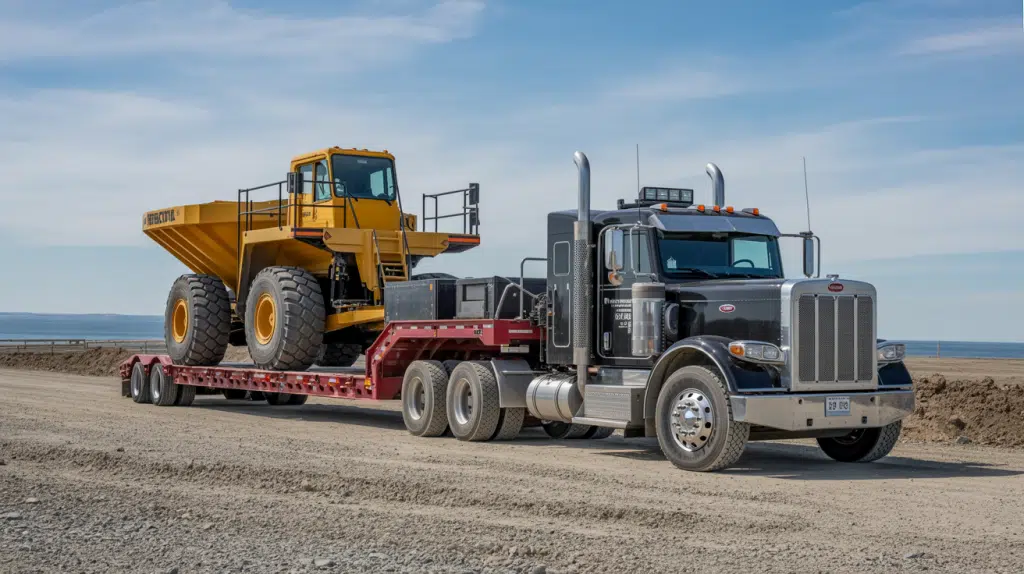
When cranes are delivered to construction sites, timing should follow the assembly sequence. The right load needs to arrive when the site has room, support equipment, and crew readiness to handle it.
A crane delivery is not just a drop-off. It is the beginning of a coordinated lift setup.
Concrete equipment often depends on narrow work windows
Concrete equipment can be highly time-sensitive because concrete work depends on preparation, crew availability, traffic access, and material timing. A pump, screed, curb machine, or paving-related unit may need to arrive before the pour or placement phase begins.
If concrete equipment arrives late, the delay can affect crews, trucks, finish timing, and the overall quality of the work window. If it arrives too early, it may sit in the way before the site is ready for concrete activity.
For this reason, concrete equipment moved by heavy haul carriers should be scheduled around the work phase it supports, not treated like a flexible equipment delivery.
Roadwork equipment must fit traffic-control windows
Construction projects on roads, bridges, utilities, and public areas often depend on lane closures or traffic-control windows. A roller, trencher, crane component, or concrete machine may need to arrive during a short period when the site can safely receive it.
If the delivery misses that window, the move may need to wait. That can affect permits, escorts, public traffic control, crew schedules, and project timing.
This is why delivery timing should be coordinated with the site supervisor before the move starts. The carrier needs to know not only where the machine is going, but when the site can safely accept it.
Heavy haul timing affects unloading plans
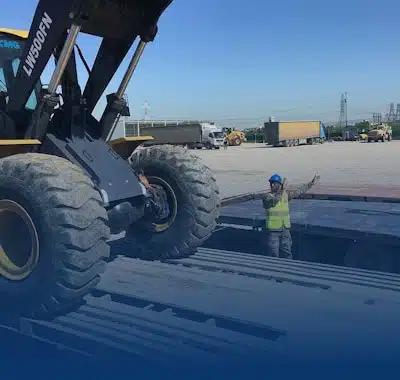
A delivery window is only useful if the site can unload the equipment when it arrives. If the trailer reaches the job site but the receiving contact is missing, the unloading area is blocked, or support equipment is not ready, the move can still lose time.
Before delivery, the site should confirm:
- correct entrance
- site contact
- unloading location
- staging space
- ground condition
- support equipment if needed
- final machine placement
- trailer exit path
The delivery time should match the unloading plan. Otherwise, the equipment may arrive on schedule but still sit on the trailer.
Equipment rental schedules make timing more important
Many construction machines are rented for a specific period. A late delivery can waste paid rental time before the machine is even used. An early delivery can also create cost if the rental clock starts before the site is ready.
Heavy haul timing should account for rental start dates, operator availability, project readiness, and return deadlines. A machine that arrives at the right time helps the customer get more value from the rental period.
Weather can change the best delivery time
Weather can affect construction delivery timing quickly. Rain may soften the unloading area. Wind may delay crane setup. Ice may reduce traction. Heat may slow crews. Poor visibility may affect escorted movement.
A delivery that was practical in dry conditions may become difficult after weather changes. Because of that, timing should stay flexible enough to protect the equipment and the site.
The goal is not just to arrive at the scheduled hour. The goal is to arrive when the equipment can unload safely and become useful.
Communication keeps timing aligned
Heavy haul timing depends on clear communication between the carrier, driver, dispatcher, site contact, project manager, escort team, and support crews. If the schedule changes, everyone needs the update quickly.
Good communication helps confirm:
- whether the site is ready
- whether the driver should stage nearby
- whether unloading support is available
- whether traffic control is active
- whether the delivery window has changed
- whether another crew is blocking the access path
A small timing update can prevent a large site delay.
What contractors should prepare before scheduling delivery
Contractors can help heavy haul delivery timing work better by sharing project details before transport is booked.
Useful information includes:
- when the equipment is actually needed
- whether the site can receive early delivery
- traffic-control or lane-closure windows
- crane, forklift, or unloading support timing
- site access restrictions
- ground condition at delivery
- where the machine should be placed
- who will receive the delivery
- whether the machine is rented or project-critical
These details help the carrier schedule the move around the work, not just around the truck.
Conclusion
Heavy haul delivery timing affects construction projects because equipment must arrive when the site can receive it, unload it, and use it. Late delivery can delay crews, rentals, inspections, lifts, concrete work, grading, trenching, or roadwork. Early delivery can create congestion, storage problems, or unnecessary equipment exposure.
The best delivery timing is not simply the fastest available time. It is the time that matches site readiness, crew schedule, unloading space, support equipment, traffic control, and the next phase of construction. When timing is planned this way, heavy haul transport supports the project instead of interrupting it.