


Permit delays can affect a heavy haul project before the truck ever reaches the pickup site. A trailer may be available, the equipment may be ready, and the customer may have a delivery deadline, but an oversized or overweight load cannot move legally until the required permits are approved. When that approval takes longer than expected, the delay can move through the entire project schedule.
In heavy haul transport, permits are not just paperwork. They define where the load can travel, when it can move, what restrictions apply, and whether escorts, bridge reviews, or special route approvals are needed. That is why permit timing should be treated as part of heavy haul risk management for oversized equipment projects, especially when the equipment is tied to a construction schedule, crane booking, plant shutdown, or delivery window.
Permit delays can push back pickup dates
The first schedule impact is usually the pickup date. If permits are not ready, the truck may not be able to move the load even if the equipment is prepared. This can create frustration because everything else may appear ready from the customer’s side.
A pickup delay can happen when:
- load dimensions need correction
- weight details are incomplete
- axle configuration needs review
- the route requires approval
- state or local offices need more time
- bridge restrictions require extra checks
- escort requirements are not finalized
The equipment may be sitting in the yard, but legally the move is not ready until the permit path is clear.
Incomplete load details slow permit approval
Permit applications depend on accurate information. If the height, width, length, gross weight, axle spacing, or trailer configuration is wrong or missing, the approval process can stall. Even a small difference can matter because oversize and overweight movement rules are built around the actual loaded configuration.
For example, a machine measured without its attachment may become taller or wider once it is prepared for transport. A load weight estimated from an old model sheet may not match the current configuration. Those gaps can force revisions, and revisions cost time.
The best way to reduce this risk is to confirm the load in its real travel condition before permit work begins.
Route approvals can take longer than expected
Some heavy haul permits are straightforward. Others require deeper review because the load is especially tall, wide, long, heavy, or route-sensitive. If the route includes bridges, tight turns, utility conflicts, construction zones, or local road restrictions, approval may take longer.
This matters because the approved route is not just a driving preference. It is the legal movement path for that specific load. If the route changes during review, the schedule may need to shift with it.
A route delay can also affect escorts, staging, driver scheduling, and delivery timing, especially when the project crosses multiple jurisdictions.
Bridge reviews can create schedule pressure
Overweight loads often require extra attention because bridges respond to axle weight, spacing, gross weight, and travel conditions. If a bridge review is needed, the permit timeline may become less predictable.
A bridge-related delay can lead to:
- rerouting
- additional review time
- changes in axle setup
- special crossing instructions
- restricted travel windows
- added coordination with agencies or engineers
For customers, this can feel like a hidden delay because the route may look normal on a map. In reality, a bridge that handles regular traffic may still need review before an overweight heavy haul move can cross it.
Escort scheduling can be affected by permit timing
Many oversized loads require pilot cars, escort vehicles, police support, or traffic-control coordination. These support teams often depend on the final approved route and travel window. If the permit is delayed, escort scheduling can also shift.
This creates a chain reaction. The load may be approved later than expected, but the escorts may no longer be available at the original time. The carrier may then need to reschedule support, adjust pickup, or change delivery expectations.
Permit timing and escort timing should be planned together, not separately.
Permit delays can affect delivery windows
A heavy haul project may need to arrive during a specific window. A construction site may need equipment before crews start work. A plant may need machinery during a shutdown. A crane may be booked for a limited period. A public-road project may only allow delivery during certain hours.
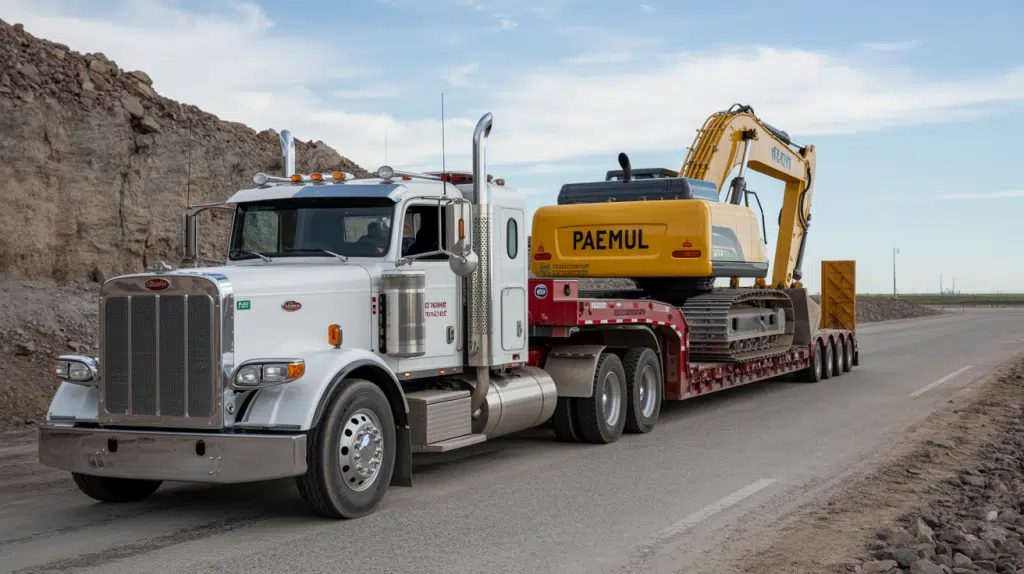
When permits are delayed, the delivery window may no longer match the original plan. The truck may still be able to move, but not in time for the site to receive the load as planned.
That is where permit delays become project delays, not just transport delays.
Multi-state moves create more timing risk
When an oversized or overweight move crosses state lines, each state may have its own permit process, routing rules, travel restrictions, and review requirements. A delay in one state can affect the entire movement schedule.
A multi-state delay may occur because:
- one state approves quickly while another requires more review
- travel-hour rules do not align across states
- escort requirements change at state lines
- routing conditions vary between agencies
- holiday or weekend restrictions affect movement timing
The more jurisdictions involved, the more important it becomes to build schedule flexibility into the project.
Permit revisions can cause the biggest delays
A permit delay is frustrating, but a permit revision can be worse. Revisions may happen when load details change, the route becomes unavailable, equipment configuration changes, or the customer updates the pickup or delivery conditions.
Permit revisions may require new review, new routing, new escort coordination, or new travel windows. This is why last-minute changes should be avoided whenever possible.
If a change is necessary, it should be shared quickly so the carrier can adjust the plan before the schedule becomes too tight.
Communication helps prevent permit-related surprises
Customers do not always see what is happening inside the permit process. That can create confusion if the project team expects a move to happen before approvals are complete. Clear communication helps everyone understand what is pending, what information is needed, and when movement can realistically begin.
When communication reduces heavy haul transport risk, permit timing is one of the clearest examples. A customer who knows what is still waiting can adjust crews, site readiness, crane support, or delivery expectations before the delay becomes more expensive.
How carriers reduce permit delay risk
Professional heavy haul carriers reduce permit delays by collecting accurate information early, reviewing routes carefully, submitting complete applications, and watching for restrictions that could affect approval.
A stronger permit planning process usually includes:
- confirmed load dimensions
- accurate weight and axle information
- trailer configuration details
- attachment and travel-position details
- pickup and delivery access review
- route feasibility checks
- escort requirement planning
- early communication about timing risks
This does not guarantee instant approval, but it reduces avoidable back-and-forth.
What customers can do to keep permits moving
Customers can help permit approval by providing complete information before the carrier begins the process.
Useful details include:
- exact machine make and model
- true operating or shipping weight
- overall height, width, and length in travel condition
- attachment details
- photos of the equipment
- pickup and delivery addresses
- site access limitations
- required delivery date or time window
- whether cranes or special unloading support are scheduled
The more complete the information, the less likely the permit process is to pause for clarification.
Conclusion
Permit delays affect heavy haul project schedules because oversized and overweight loads cannot move until the legal route, travel conditions, and approval requirements are in place. A delay in permits can push back pickup, affect escorts, change delivery timing, disrupt crane or crew schedules, and create pressure across the larger project.
The safest approach is to treat permit planning as an early part of the project, not a final administrative step. When load details are accurate, route reviews begin early, communication stays clear, and schedule flexibility is built into the plan, permit delays become easier to manage and less likely to disrupt the entire move.