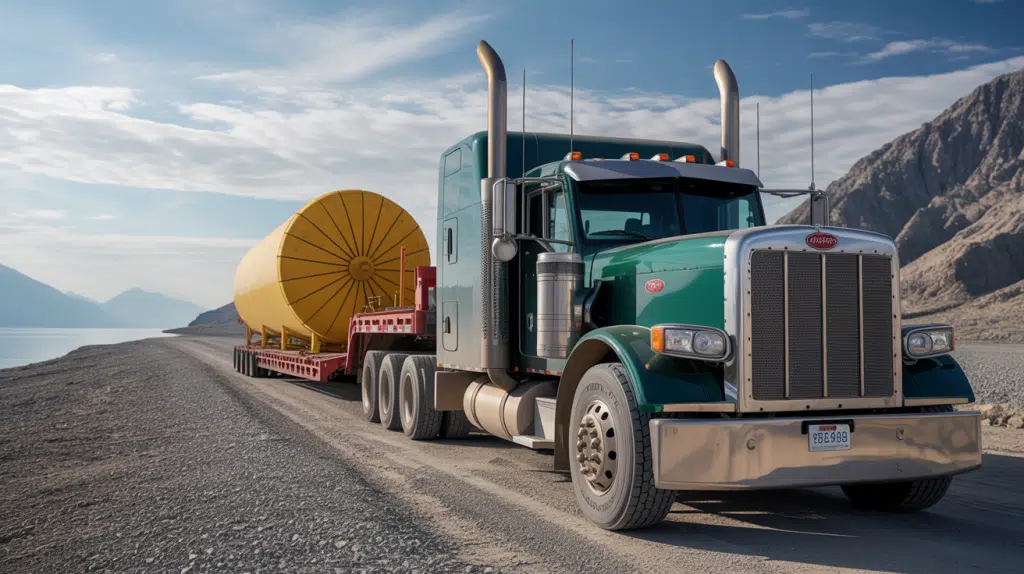
Remote energy sites affect heavy haul planning because the hardest part of the move is not always the highway route. A transformer, generator, switchgear unit, utility pole load, substation component, or power module may travel smoothly for most of the distance, then face the real challenge in the final miles. Rural roads, soft ground, steep grades, narrow turns, temporary access paths, and limited staging space can all change the delivery plan.
Energy infrastructure is often built where power is needed, not where roads are perfect. Wind farms, solar sites, substations, utility corridors, generation sites, and rural grid projects may require heavy equipment to move through areas with fewer services, fewer turnaround points, and less prepared access. That is why remote-site planning has to begin before the truck leaves pickup.
Remote sites make the final mile more important
A heavy haul route may look manageable on major roads, but the final approach to a remote energy site can create the most risk. The truck may leave a highway and enter gravel roads, farm lanes, access tracks, temporary construction roads, or narrow utility corridors.
These final-mile conditions can affect:
- trailer turning room
- ground stability
- overhead clearance
- bridge or culvert strength
- escort movement
- staging space
- unloading support
- weather exposure
When energy, power and utility infrastructure is moved by heavy haul transport, the delivery path has to be checked all the way to the actual unloading point, not just to the nearest town or site entrance.
Access roads may not be built for heavy haul loads
Remote energy access roads may be designed for service trucks, pickups, or construction traffic, not necessarily for oversized or overweight heavy haul loads. A road may look passable in dry weather but still have weak shoulders, tight curves, poor drainage, narrow gates, or soft spots that become serious under a loaded trailer.
A proper access review should check:
- road width
- turning points
- surface condition
- shoulder strength
- culverts and small bridges
- steep grades
- drainage problems
- space for escort and support vehicles
A heavy haul load needs the access road to support the full loaded combination, not just the cargo itself.
Weather can change remote access quickly
Remote sites are often more exposed to weather than developed industrial locations. Rain can soften unpaved roads. Wind can affect tall or wide utility cargo. Snow and ice can reduce traction. Heat can create stress for crews and equipment. A delivery route that worked last week may become difficult after one storm.
Weather matters especially when the load is high-value, sensitive, or tied to a narrow delivery window. A generator, switchgear unit, or transformer should not be forced into a site that cannot safely receive it.
Remote energy moves need weather checks close to the delivery date, not only during early planning.
Staging space may be limited near the site
Remote energy sites do not always have large paved yards or open laydown areas. A heavy haul trailer may need somewhere to wait before entering, but the nearest safe staging area may be miles away. If the site is not ready, the truck may not have many places to pause without blocking access roads or creating traffic problems.
A staging plan should confirm:
- where the truck can wait safely
- whether escorts can stage nearby
- whether the site can receive multiple loads
- where support vehicles should park
- whether the trailer can turn around if needed
- whether the staging surface can support the loaded equipment
This becomes even more important when several loads are moving into the same energy project.
Remote sites often require delivery sequencing
Energy projects may involve several components arriving in order. A substation project may need steel, switchgear, control units, transformers, and cable-related materials. A generation site may need skids, generator units, cooling systems, and support equipment. A utility corridor may need poles, hardware, and long materials staged before crews begin installation.
If the wrong load arrives first, the site may not have room to receive it. If a critical load arrives late, crews may wait.
When heavy haul supports grid expansion projects, remote-site sequencing becomes part of the transport plan because access, staging, and crew availability are often limited.
Unloading support must be confirmed before arrival
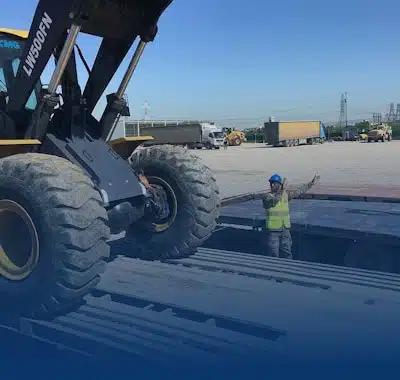
Remote energy sites may not have cranes, forklifts, rigging crews, mats, or maintenance support readily available. If the required unloading equipment is missing, the heavy haul trailer may have to wait in a location that was never meant for long staging.
Before delivery, the project team should confirm:
- what equipment unloads the cargo
- who provides the crane, forklift, or rigging crew
- whether ground mats are needed
- whether the unloading area is level and stable
- where the cargo goes after unloading
- who approves final placement
- whether weather affects the unload
A remote delivery should not depend on equipment being “found” after the load arrives.
Utility poles and long materials need extra turning space
Long utility materials can be difficult on remote roads because the route may include narrow bends, rural intersections, field entrances, or temporary access tracks. A pole load or long steel section may not be heavy compared with a transformer, but it can still be difficult to maneuver.
The route should account for rear swing, overhang, escort needs, and laydown space. When utility poles and long infrastructure materials are moved safely, the final access and staging layout often decide whether the delivery works smoothly.
Communication is harder but more important
Remote sites can create communication problems because cell coverage may be poor, site entrances may be hard to identify, and local access points may not be clearly marked. The driver, escorts, dispatcher, site contact, crane crew, and utility team need clear instructions before the convoy reaches the area.
Good communication should include:
- GPS coordinates or accurate site directions
- entrance photos if available
- gate access instructions
- site contact phone numbers
- backup contact details
- staging instructions
- radio or communication plan if cell service is poor
- weather or access updates before arrival
A remote delivery becomes much safer when everyone knows where the truck is going and who is receiving it.
Permits and escorts may need more detailed planning
Remote roads can still have permit restrictions. Culverts, bridges, local roads, weight-restricted routes, narrow passages, and rural municipalities may all affect the approved path. Escort needs may also change when the load moves through narrow or low-visibility areas.
A remote route should be reviewed with the same seriousness as an urban route. The hazards are different, but the risk is still real.
Site readiness should be checked close to delivery
Remote energy sites change as construction progresses. A road may be graded one week and blocked the next. A crane pad may be ready in the morning and crowded by afternoon. A laydown area may be filled with materials before the next load arrives.
Before the truck leaves for final delivery, the site should confirm:
- road condition
- gate access
- unloading area
- staging availability
- ground strength
- overhead hazards
- support equipment readiness
- site contact availability
- whether any work has changed the planned path
This final check prevents the convoy from discovering site problems after reaching the most difficult part of the route.
What utility teams should prepare for remote energy deliveries
Utility teams and project managers can make remote energy deliveries smoother by preparing more detailed access information than they would for a standard site.
Helpful information includes:
- exact site entrance and coordinates
- access road photos
- road surface and width details
- known soft spots or steep grades
- bridge, culvert, or cattle guard information
- staging and laydown plan
- unloading support availability
- weather-sensitive access concerns
- delivery sequence for multiple loads
- backup contact information
These details help the carrier plan the move around the actual site, not only the destination address.
Conclusion
Remote energy sites affect heavy haul planning because the final miles often create the most important challenges. Access roads, weather, staging space, unloading support, long-material handling, communication, permits, and site readiness all shape whether the delivery can happen safely and on time.
A successful remote energy delivery does not stop at reaching the nearest road. It reaches the actual unloading point with the right trailer, support equipment, access plan, and site team ready. When those details are prepared early, heavy haul transport can support remote power and utility projects with far fewer delays.