
The load may stay the same while the transport environment changes completely around it. A machine that is manageable in one season can become more expensive to move in another because roads behave differently, travel windows narrow, weather risk rises, and carriers lose flexibility. That is the central reason seasonal conditions increase heavy haul costs. The cargo has not changed, but the job has.
This sits inside the broader structure behind heavy haul transport pricing, where cost is shaped by execution conditions as much as by the load itself.
Weather does not just create delay; it changes the whole project
In ordinary freight, weather is often treated as a scheduling problem. In heavy haul, weather can become a structural pricing factor. Wind affects taller loads. Rain affects braking, site access, and trailer footing. Snow and ice affect route safety, staging, and loading conditions. Extreme heat can change equipment stress, tire behavior, and travel timing.
That means seasonal cost is not simply “bad weather fee.” It comes from the extra planning, extra caution, and reduced operating freedom that seasonal risk creates.
Winter usually increases cost through control, not just difficulty
Cold-weather hauling often becomes more expensive because the move slows down in several ways at once. Road grip changes. Loading surfaces become less predictable. Equipment needs more checking. Some routes become less practical. If snow, ice, or freeze-thaw conditions are active, the transport plan may need more flexible timing or different routing altogether.
A project that might have moved directly in mild weather can turn into a more managed operation in winter, especially when route choice and timing start reinforcing each other.
Spring can create hidden cost through road limits and soft conditions
Spring does not always look severe, yet it can still raise price. Seasonal thaw periods can affect road strength, rural access, and departure-site ground conditions. A route that is physically open may still be operationally weaker than it looked on paper. Pickup areas, jobsite exits, and staging points can also become softer and more difficult to use safely.
That type of seasonal pressure tends to show up quietly in the quote because it creates more uncertainty around how the move will actually be executed.
Summer can raise cost when heat and traffic pressure build together
Warmer months often create better visibility and fewer cold-weather restrictions, but they can still increase cost in different ways. Summer traffic volumes may rise. Construction activity expands. Urban congestion gets harder to avoid. Heat can add stress to equipment, tires, and longer route sections. In some regions, wildfire exposure or drought-related route risk can also narrow travel options.
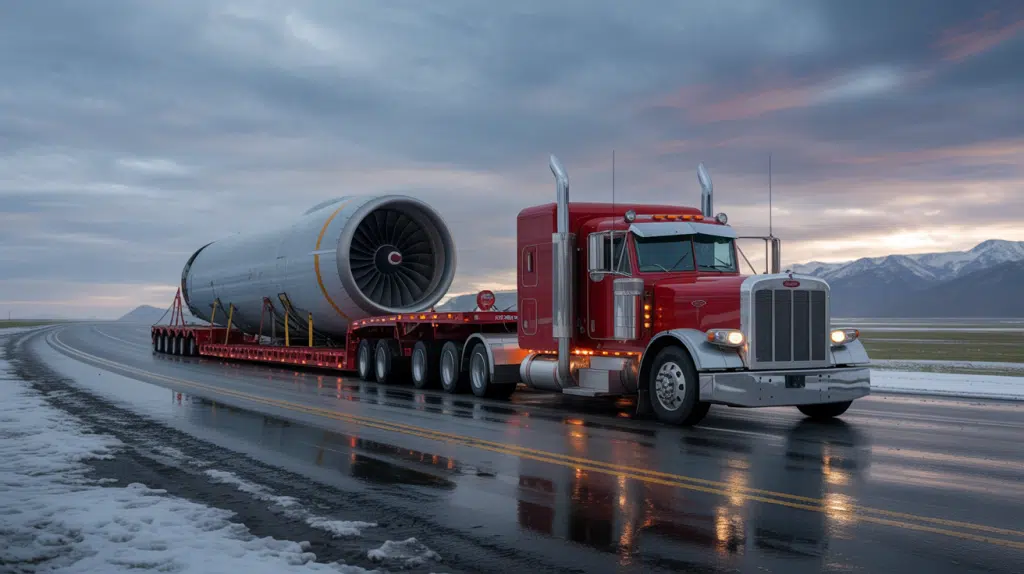
So while summer may look easier at first glance, it can still create a more expensive project if the route becomes crowded, restricted, or thermally stressful.
Fall can still change the quote if timing is tight
Autumn often feels calmer than the extremes of winter or summer, but heavy haul pricing can still shift if seasonal project demand, shorter daylight windows, or changing road conditions reduce flexibility. A move planned late in one season may also be priced with the next season’s risk in mind if the carrier expects the trip window to tighten.
That matters because heavy haul pricing is often based on the conditions the move will actually face, not just the calendar month printed on the request.
Seasonal cost is often really a flexibility cost
One useful way to understand this is to stop thinking of seasons only as weather and start thinking of them as flexibility. In a stable season, the carrier usually has more route options, more timing options, and more confidence in execution. In a difficult season, those options shrink. Once flexibility shrinks, price tends to rise.
That same pattern also appears in how distance affects oversized transport pricing, because long moves become more expensive when changing conditions have more time to affect the trip.
Jobsite and pickup conditions are often the first seasonal problem
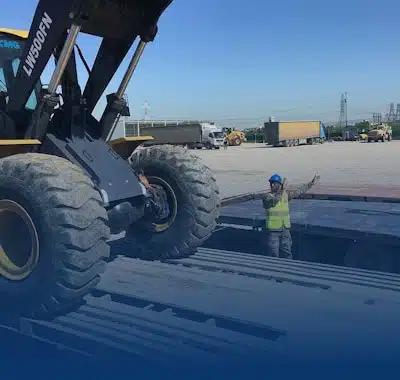
Customers sometimes think of seasonal cost only in highway terms, but many seasonal cost increases start before the road. Mud, frozen ground, soft shoulders, rain-soaked yards, snow buildup, and poor ramp conditions can all make loading and unloading more difficult. That added effort increases time, risk, and the need for controlled handling.
In practical terms, the season often changes the project first at the site level and only then at the highway level.
Seasonal restrictions can increase administrative and routing work
Some seasonal conditions create more than physical difficulty. They can also create more route review, more legal caution, or narrower operating windows. If a route becomes less reliable or less predictable in a certain season, planning effort usually rises even if the final route remains legally available.
That added planning work may not be obvious to the customer, but it often becomes part of why the quote changes between one season and another.
Customers can lower seasonal cost by reducing uncertainty early
Seasonal price pressure is often harder to avoid when the move is rushed. Customers who provide dimensions, weight, site conditions, and timing expectations early usually give the carrier a better chance to plan around seasonal limitations before they become urgent. A move with lead time is usually easier to structure than one that must happen immediately during a difficult period.
That does not erase seasonal cost, but it often prevents it from becoming worse than necessary.
Conclusion
Seasonal conditions increase heavy haul costs because they make execution less flexible and more controlled. Winter can slow routes and loading. Spring can weaken access conditions. Summer can raise congestion and heat-related stress. Fall can narrow timing and push projects toward the next risk cycle. In every case, the load may stay exactly the same while the cost rises because the transport environment demands more planning, more caution, and more operational control.