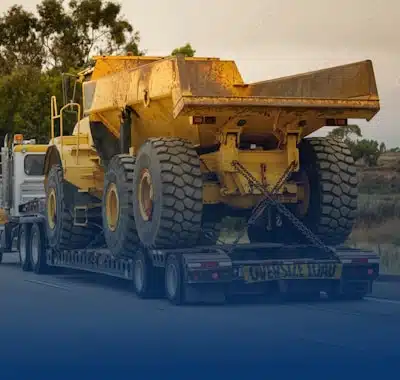
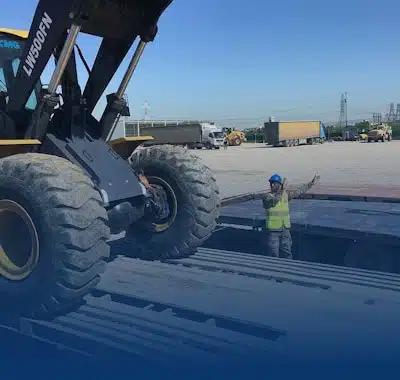
Last-minute heavy haul transport problems usually happen when important details are discovered too late. A machine may be ready, a trailer may be assigned, and a delivery date may be expected, but one missing measurement, blocked entrance, delayed permit, soft unloading area, or changed attachment can disrupt the whole move.
In oversized equipment transport, small details are rarely small once the truck is already scheduled. Heavy haul loads need legal routes, safe loading areas, proper trailer setup, site access, escorts, and clear communication. When one of those pieces is incomplete, the project can shift from planned to reactive very quickly.
Missing load details create early problems that appear late
One of the most common causes of last-minute problems is inaccurate cargo information. If the machine weight is estimated, the loaded height is guessed, or the attachment configuration is not confirmed, the carrier may plan around the wrong load.
That can affect:
- trailer selection
- permit applications
- route approval
- escort requirements
- loading method
- securement access
- delivery planning
A machine that is only a few inches taller or wider than expected can create clearance, permit, or routing problems. This is why heavy haul risk management for oversized equipment projects should begin with the real transport condition of the cargo, not only the equipment name or model.
Attachments are often forgotten until loading day
Buckets, blades, forks, booms, rippers, grapples, and other attachments can change the entire transport profile. A machine may fit the planned trailer by itself, but the attachment may add width, height, length, weight, or balance issues.
Last-minute problems happen when nobody confirms whether the attachment will:
- stay mounted
- travel separately
- need removal
- affect height or width
- block securement points
- change the loading angle
If the attachment decision is made after the trailer arrives, the job may lose time before the equipment even moves.
The machine may not be ready to load
A piece of equipment can look ready from a distance but still create loading problems. It may not start. It may not steer correctly. A tire may be low. A track may be damaged. Hydraulics may not respond. Brakes may be weak. A key, battery, or operator may be missing.
These issues matter because the loading method depends on machine condition. A machine that cannot drive safely may need winching, crane support, forklift assistance, or a different trailer setup. If that need is discovered at pickup, the carrier may need to reschedule support equipment or change the plan.
Site access can be worse than expected
Many last-minute problems come from the pickup or delivery site, not the road. The truck may arrive and find a narrow gate, blocked access road, parked vehicles, stacked materials, soft ground, overhead wires, or not enough room to turn.
A site can also change after the move is booked. Rain can soften ground. Construction materials can be placed in the loading path. A gate may be locked. A crane may occupy the planned unloading area. A public road project may shift traffic control.
These issues often feel sudden, but most can be reduced by confirming site conditions before dispatch.
Permit issues can stop the move before it starts
Oversize and overweight loads usually need permits. If dimensions are wrong, route details are incomplete, or approvals take longer than expected, the move may not happen on the planned date.
Permit problems can become last-minute when:
- load measurements change
- route approval is still pending
- a bridge review takes longer
- escort requirements change
- travel-hour restrictions are discovered late
- the customer changes pickup or delivery timing
When permit delays affect heavy haul project schedules, the delay often spreads into driver scheduling, escort availability, crane timing, and site readiness.
Route restrictions may appear after planning begins
A heavy haul route can be disrupted by construction, low clearances, utility work, bridge restrictions, road closures, or local travel limitations. Sometimes the route looked fine early in planning but becomes unusable closer to movement.
This is especially difficult because oversized loads cannot always take quick detours. A new route may need fresh permit review, escort coordination, bridge checks, or staging changes.
A route issue discovered early is a planning adjustment. A route issue discovered late becomes a project problem.
Weather can change the loading or delivery plan
Weather can create last-minute transport problems even when the route and permits are ready. Rain can soften the site. Wind can affect tall or wide loads. Snow and ice can reduce traction. Fog can affect visibility and escort coordination. Heat can make long loading or securement work harder for crews and equipment.
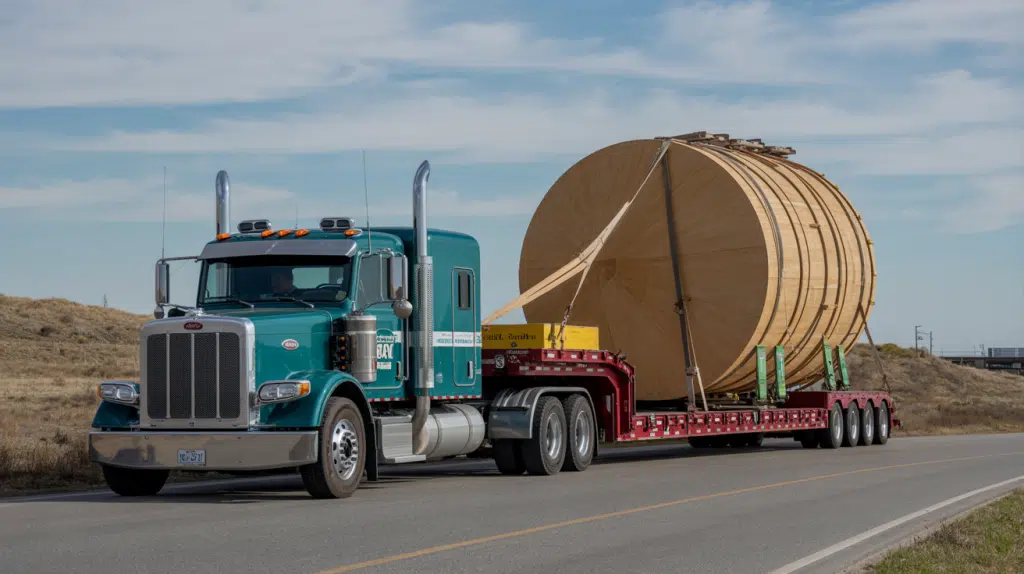
Weather risk is especially important at pickup and delivery. A trailer may reach the site, but if the ground is too soft or the unloading area is unsafe, the move can still pause.
Support equipment may not be ready
Some heavy haul moves need cranes, forklifts, loaders, mats, rigging crews, traffic control, pilot cars, police escorts, or site spotters. If any of that support is missing or delayed, the truck may wait.
This happens when support needs are assumed instead of confirmed. For example, a customer may think the carrier is bringing a crane, while the carrier expects the site to provide one. Or the site may schedule a crane but not prepare enough room for it to operate.
The safest plan clearly states who provides what before the move begins.
Poor communication turns small issues into big delays
Many last-minute problems are not technical failures. They are communication failures. Someone had the information, but it did not reach the right person in time.
Examples include:
- the driver was sent to the wrong gate
- the site contact did not know the delivery window
- the customer did not mention soft ground
- the attachment configuration changed but was not reported
- the crane crew expected a different arrival time
- the permit status was not clearly communicated
When communication is weak, the project loses time solving problems that could have been handled earlier.
Delivery site readiness is often overlooked
Customers may focus heavily on pickup and forget that delivery also needs planning. The receiving site must have enough space, firm ground, a clear unloading area, and someone available to receive the equipment.
Last-minute delivery problems can include:
- no clear unloading location
- locked or blocked site entrance
- no site contact available
- support equipment not ready
- trailer cannot align
- machine has nowhere to go after unloading
- ground condition changed after weather
A move is not complete when the truck reaches the address. It is complete when the equipment is safely unloaded where it can be used.
Schedule pressure can cause rushed decisions
Heavy haul projects often support construction schedules, plant work, energy operations, public projects, or equipment rentals. When timing is tight, people may be tempted to rush details that should be confirmed carefully.
That pressure can create preventable problems:
- incomplete measurements
- skipped site checks
- late permit submissions
- weak communication
- unclear unloading plans
- poor staging decisions
Rushing rarely makes a heavy haul move smoother. It usually reduces the margin for correction.
How to prevent last-minute heavy haul problems
Most last-minute issues can be reduced with early confirmation. Before the move is scheduled, the customer and carrier should confirm:
- exact equipment dimensions and weight
- attachment position and travel configuration
- whether the machine runs, steers, and brakes
- pickup and delivery site access
- ground conditions at both sites
- permit and route requirements
- escort or traffic-control needs
- crane, forklift, or unloading support
- site contacts and delivery instructions
- staging space and final placement area
These details give the carrier enough information to plan the move instead of reacting to surprises.
Conclusion
Last-minute heavy haul transport problems usually come from missing information, unconfirmed site conditions, permit issues, route restrictions, weather changes, support equipment delays, unclear communication, or delivery-site confusion. These problems feel sudden when they appear on pickup or delivery day, but many of them begin earlier in the planning process.
The best way to reduce last-minute problems is to confirm the load, route, permits, site access, support equipment, and communication plan before the truck is committed. Heavy haul transport is safest when surprises are found early, not when the oversized equipment is already waiting to move.