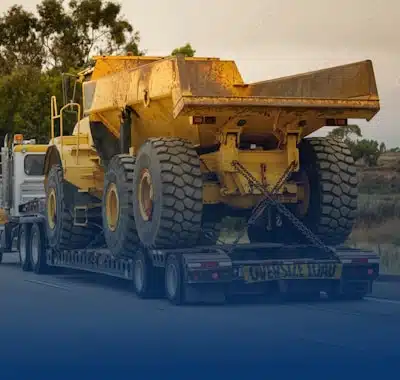
Contingency planning supports oversized equipment delivery by giving the transport team a safe answer when the original plan changes. A route may close, weather may shift, a permit window may move, a crane may run late, or the delivery site may not be ready when the trailer arrives. In standard freight, these issues can sometimes be solved quickly. In heavy haul, they need a controlled backup plan because the load cannot always turn around, park anywhere, or take any road.
A contingency plan does not mean the carrier expects failure. It means the carrier understands that oversized equipment moves through real roads, real sites, real weather, and real schedules. When the backup options are clear, the delivery stays calmer even when conditions change.
Contingency planning starts with the weakest point in the move
Every heavy haul project has pressure points. One move may be sensitive to route clearance. Another may depend on permit timing. Another may need a crane waiting at the destination. Another may involve soft ground, a narrow gate, or a strict delivery window.
The first step is identifying which part of the move is most likely to cause disruption.
That could be:
- a low-clearance route section
- a bridge review
- a weather-sensitive road
- a tight delivery entrance
- a permit travel window
- a crane or unloading schedule
- an active construction or industrial site
- a machine that needs special loading support
Once those weak points are known, the project team can decide what should happen if one of them changes.
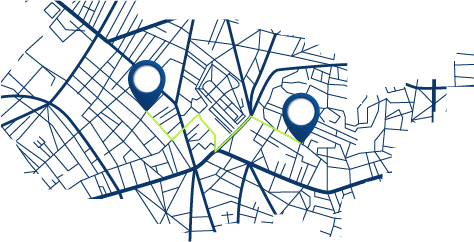
Backup routes reduce pressure when the original path changes
Oversized loads cannot usually detour the way ordinary trucks do. A backup route still has to fit the load’s height, width, length, weight, axle configuration, and turning needs. That is why backup routing should be reviewed before the move reaches a closure, restriction, or access issue.
A useful contingency route should consider:
- bridge capacity
- overhead clearance
- lane width
- turning radius
- construction zones
- utility conflicts
- escort requirements
- final-mile access
When route changes happen during oversized load moves, the safest response is not panic or guesswork. It is a reviewed alternative that still respects the load.
Staging options help the convoy pause safely
Sometimes the best contingency is not a new route. It is a safe place to wait. A staging area gives the truck, trailer, escorts, and support vehicles room to pause while the team confirms weather, site readiness, permit timing, or unloading support.
Good staging options are especially useful when:
- the site is not ready yet
- the crane is delayed
- traffic control is not active
- weather needs to pass
- permit timing requires a pause
- the route ahead needs confirmation
- the delivery window has shifted
Without staging, the convoy may end up waiting in a poor location, blocking access, or creating pressure to make a rushed decision.
Weather contingencies protect the load and the schedule
Weather can affect loading, travel, escort coordination, staging, and delivery. Rain can soften job sites. Wind can affect tall or wide loads. Ice can reduce traction. Fog can reduce visibility. Heat can increase strain on equipment and crews.
A weather contingency plan may include:
- later departure times
- earlier staging before a difficult route section
- alternate loading or unloading areas
- extra site preparation after rain
- planned securement checks
- weather-protection materials for sensitive cargo
- communication triggers when conditions change
When weather creates risk in heavy haul transport, the goal is not always to avoid delay. Sometimes the goal is to choose the safer delay before weather creates a bigger problem.
Permit contingencies reduce schedule shock
Heavy haul permits may include travel windows, route restrictions, escort rules, bridge conditions, or time-of-day limits. If a permit is delayed, revised, or tied to a route change, the project schedule can shift quickly.
A permit contingency plan may include:
- realistic lead time before pickup
- flexible loading or delivery windows
- alternate staging if approval arrives later than expected
- early notice to crane crews or receiving teams
- backup delivery timing if a permit window is missed
Permit delays become more manageable when the customer and carrier already understand how the schedule may adjust.
Delivery contingencies prevent site confusion
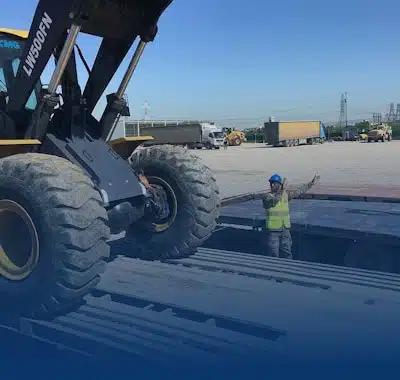
The delivery site is often where heavy haul contingency planning matters most. A trailer may reach the area safely but still face a blocked entrance, soft ground, missing site contact, unavailable crane, crowded unloading zone, or changed final placement area.
A delivery contingency can answer:
- Where can the truck wait if the site is not ready?
- Who approves a changed unloading location?
- What happens if the ground is too soft?
- Is there a second entrance or alternate staging area?
- Can the delivery window move without affecting permits?
- Who contacts the crane, rigging, or site team if timing changes?
These answers prevent the delivery from becoming chaotic at the final handoff.
Equipment contingencies matter when the machine condition changes
Sometimes the equipment itself creates the surprise. A machine may not start. Brakes may not respond correctly. A hydraulic issue may appear. An attachment may not be removable. A tire or track issue may affect loading. These problems can change the loading method immediately.
A strong plan considers whether the move may need:
- winching
- crane support
- forklift support
- repair assistance before loading
- extra time for attachment removal
- a different trailer setup
- revised securement access
The more uncertain the machine condition is, the more important this backup thinking becomes.
Communication makes contingency planning usable
A contingency plan is only useful if people know when to use it. The driver, dispatcher, customer, permit team, escort crew, crane operator, and site contact must understand who makes decisions and how updates are shared.
Clear communication should identify:
- who reports route or weather changes
- who approves schedule changes
- who contacts the delivery site
- who confirms staging decisions
- who coordinates escorts
- who confirms unloading readiness
This is where communication reduces heavy haul transport risk in a very practical way. It turns backup plans into real decisions instead of scattered reactions.
Contingency planning protects the customer from hidden costs
Heavy haul changes can create extra costs when they are handled late. Waiting time, rerouting, permit revisions, crane delays, crew downtime, site congestion, or failed unloading attempts can all affect the project budget.
A contingency plan reduces those costs by making the response faster and more organized. It may not remove every delay, but it can prevent a small issue from spreading across the whole project.
For customers, that matters because the equipment is often tied to a job that is already scheduled, staffed, and waiting.
What customers should provide to support contingency planning
Customers can help carriers build better contingency plans by sharing details early. Useful information includes:
- deadline flexibility
- site contact availability
- alternate site entrances
- staging space near pickup or delivery
- ground condition concerns
- crane or support equipment timing
- machine condition details
- delivery restrictions
- weather-sensitive site issues
- whether the equipment is urgently needed for active work
These details help the carrier plan options before pressure builds.
Conclusion
Contingency planning supports oversized equipment delivery by giving the carrier, customer, and site team safe options when conditions change. Backup routes, staging areas, weather decisions, permit flexibility, delivery alternatives, equipment support, and clear communication all help keep the move controlled.
In heavy haul transport, a good plan is not only the plan that works when everything goes perfectly. A good plan is the one that still protects the equipment and project timeline when something changes. That is why contingency planning is not extra work. It is part of delivering oversized equipment safely and professionally.