A bulldozer looks rugged because it is rugged, but transport can still damage it when loading angles are too steep, deck support is poor, or the machine is secured without enough thought for track pressure and undercarriage stress. Safe dozer hauling is not only about getting the machine from one place to another. It is about moving a heavy tracked machine in a way that protects the parts that do the real work once it reaches the next job.
This article fits into the broader guide on how different types of heavy equipment are transported safely, where each machine type is matched to the transport method that suits its design.
Why bulldozers are different from other equipment
A bulldozer carries its weight through tracks and rollers, not tires. That gives it excellent job-site traction, but it also means the contact force on a trailer deck can be intense. The blade adds front-end mass. The ripper adds rear-end weight. The undercarriage holds everything together at ground level, which is exactly why careless loading can do harm before the road trip even begins.
That is the first thing to understand: a dozer is not just heavy. It is heavy in a very concentrated, ground-focused way.
The loading angle matters more than many people expect
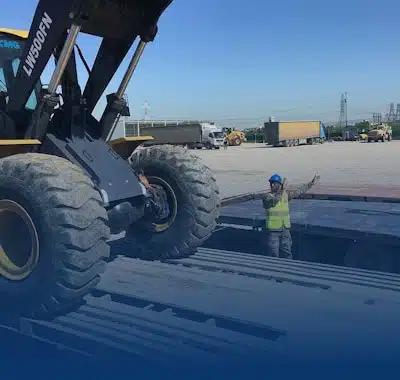
One of the easiest ways to damage a bulldozer during transport is to force it up a loading angle that is too sharp. When that happens, the machine can scrape, bottom out, or place unnecessary stress on the frame and undercarriage as it transitions from ground to ramp and then from ramp to deck.
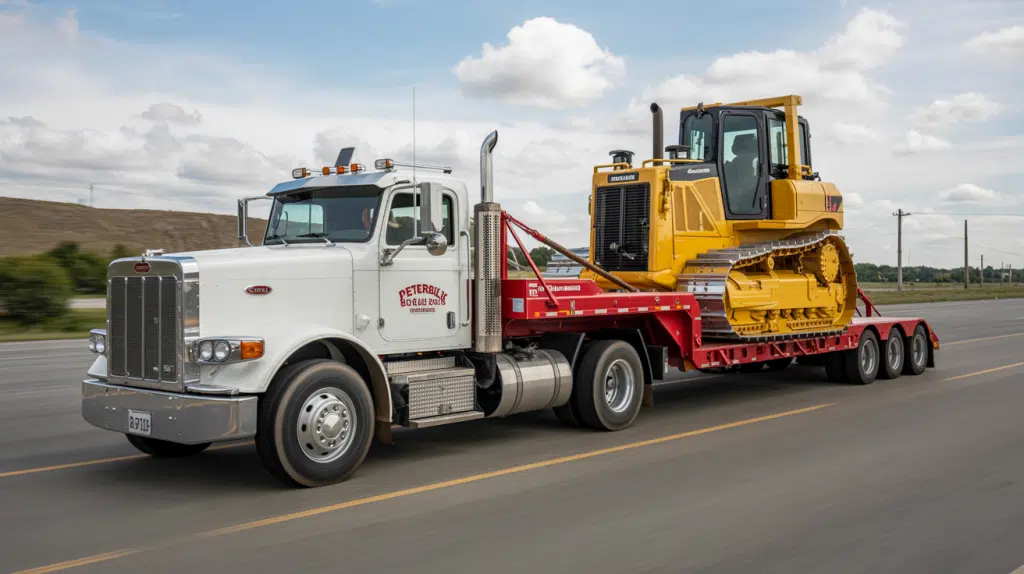
That is why lower loading geometry usually creates a safer move. A trailer that reduces the loading angle makes the process calmer and puts less pressure on vulnerable points under the machine. This is also one reason trailer choice affects machine protection as much as route compliance.
Trailer choice should protect both height and undercarriage
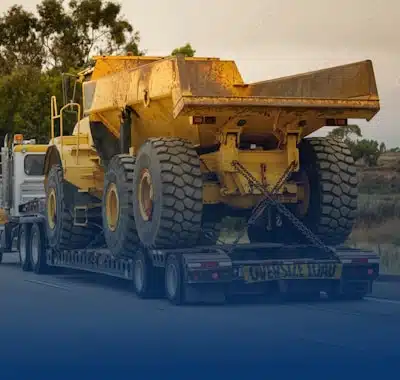
For bulldozers, the best trailer is usually the one that combines lower deck height with more controlled loading. Low-profile heavy haul trailers often work well because they reduce overall travel height while also making loading less aggressive.
A good trailer setup helps with:
- safer ramp-to-deck transitions
- lower travel height
- better weight placement across the rig
- more stable securement angles
If the machine is especially large or route height is tight, trailer planning often overlaps with clearance planning for oversized loads, because the wrong deck height can create route problems before the trip even starts.
Protect the tracks by respecting how they contact the deck
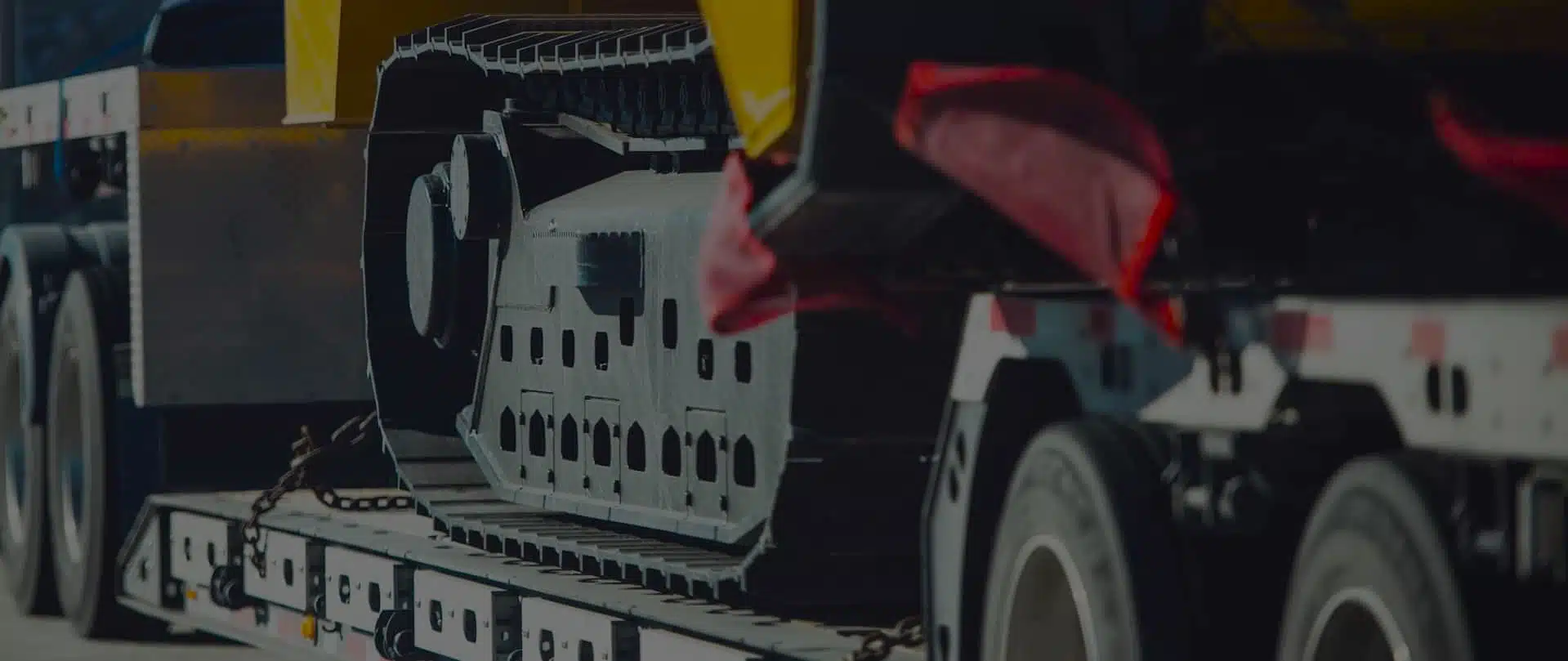
Tracks do not behave like tires. They spread weight differently, grip differently, and react differently under braking and vibration. When the trailer deck surface is uneven, weak, or poorly matched to the machine, the tracks can place stress where the trailer or the machine does not want it.
That is why operators usually pay attention to:
- deck condition and support strength
- whether the machine is centered properly
- whether the track contact points sit evenly on the trailer
- whether the machine is placed so the heaviest sections are properly supported
A bulldozer that sits badly on the trailer often tells you so quietly first, then expensively later.
Undercarriage protection begins before the machine is secured
The undercarriage is one of the costliest parts of a dozer to repair, and transport can affect it in indirect ways. The goal is not only to avoid visible scraping. It is also to avoid stress that comes from poor placement, rough loading, and unnecessary shifting during transit.
That means checking:
- blade and ripper position
- machine balance front to rear
- loading path onto the trailer
- whether the machine is seated squarely before securement begins
For tracked machines in general, good preparation matters just as much as good transport. That same idea also shows up in long-distance excavator hauling, where machine geometry and loading method shape the entire move.
Blade and ripper position should support balance, not fight it
A dozer’s blade and ripper are not minor details. They change both balance and transport height. If they are left in a poor travel position, they can increase stress on the machine, create clearance issues, or make securement less effective.
In most cases, transport planning aims to:
- lower the blade into a safe travel position
- control the ripper height and rear profile
- reduce unnecessary movement in any attachment point
- keep the machine compact and balanced for the road
These adjustments help the machine ride more predictably and reduce the risk of damaging contact during loading or unloading.
Securement should control movement without creating new stress
Because bulldozers are compact and heavy, there can be a temptation to think their own weight is enough to keep them stable. It is not. A dozer still needs proper securement that holds the machine during braking, cornering, vibration, and road shock.
A strong plan usually focuses on:
- using the machine’s correct tie-down points
- preventing forward and rearward shift
- keeping the machine seated firmly on the trailer
- checking securement again early in the trip
At the same time, securement should not be applied carelessly in ways that create uneven force or unnecessary pressure on components.
Weight placement affects both permits and machine stress
Bulldozers are short compared with many other heavy machines, but that does not make placement simple. Blade mass, rear ripper weight, and track contact all influence how the load should sit on the trailer.
A poor placement decision can create:
- overloaded axle groups
- rougher road behavior
- greater undercarriage stress
- preventable permit issues
That is why axle planning matters even on machines that look straightforward. If the setup needs closer calculation, it helps to align dozer placement with axle weight distribution planning before the haul is finalized.
What owners and site teams should confirm before pickup
A safer haul often begins with better information from the equipment owner or site team. Before transport starts, it helps to confirm:
- exact machine model and operating weight
- blade and ripper configuration
- whether any parts should be removed or repositioned
- loading surface conditions at pickup
- space available for safe loading and trailer alignment
Those details help the transport team avoid rushed decisions that can lead to machine damage.
Conclusion
Need professional heavy equipment transport? Freedom Heavy Haul provides reliable, cost-effective shipping for machinery and oversized loads nationwide.
Hauling a bulldozer without damaging tracks or undercarriage comes down to respecting how the machine carries its weight and how it transitions onto the trailer. A lower loading angle, a properly matched trailer, balanced placement, controlled attachment positioning, and correct securement all work together to protect the machine. When those parts are handled well, the dozer arrives ready for work instead of arriving with preventable stress or damage hidden underneath.