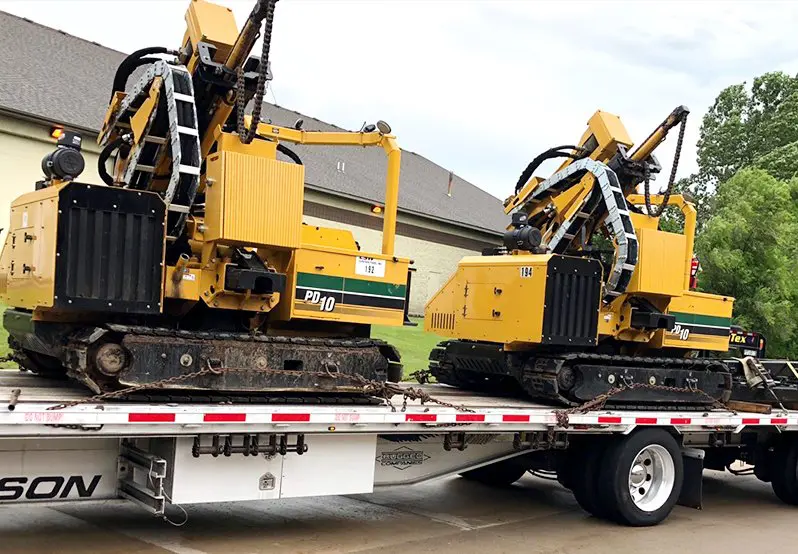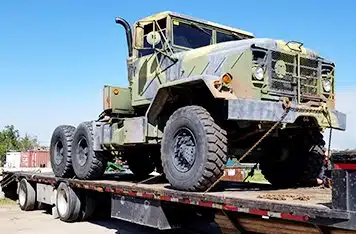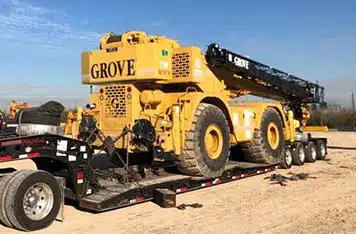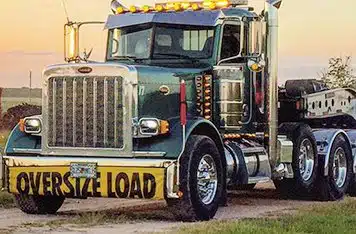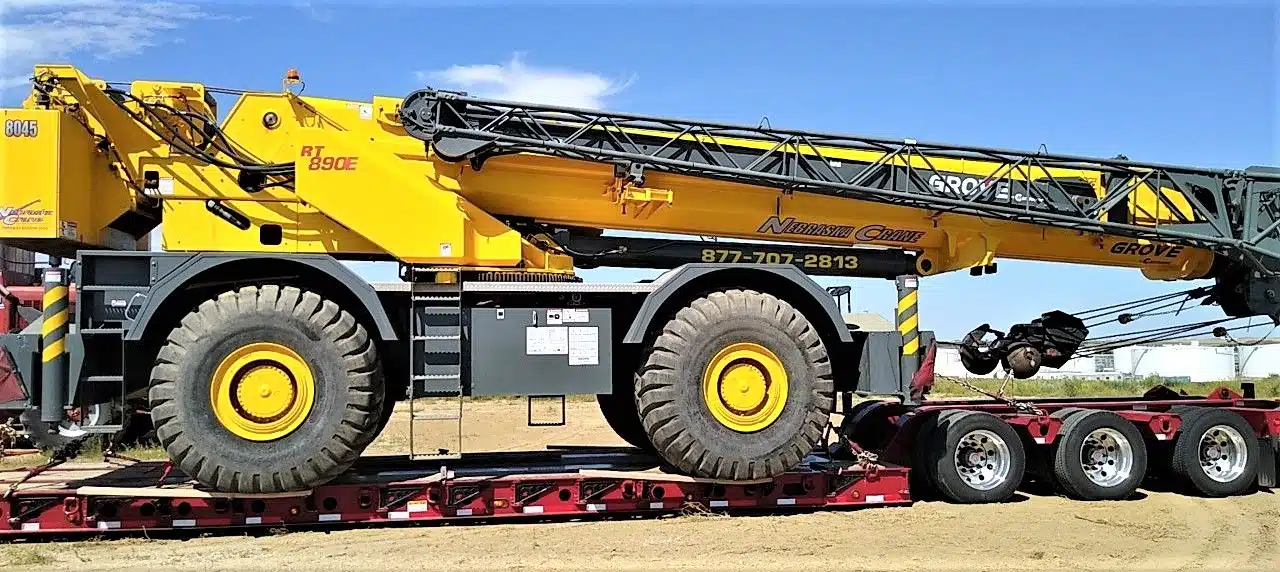






















Heavy Haul Trucking From Alabama to North Carolina
Transporting a heavy haul from Alabama to North Carolina requires a great deal of planning, preparation, and consideration. There are a number of highways a trucker might use to make the journey, each of which will have its own unique challenges and considerations. Weather conditions can also play a major role in the success or failure of the haul, and a trucker must be aware of the potential risks and be prepared to navigate any situation that may arise. In this article, we will look at the major highways truckers might use to transport a haul from Alabama to North Carolina, the unique challenges that might be faced, the various weather conditions that might be encountered when shipping from Alabama to North Carolina, and any other special considerations.
Major Highways
When hauling from Alabama to North Carolina, there are a number of major highways that a trucker might take. The most direct route is Interstate 85, which runs from Montgomery, Alabama, to Charlotte, North Carolina. This route is the most direct, but can be the most challenging due to the potential for traffic congestion and the need to get through the Atlanta metro area. Another option is Interstate 20, which runs from Birmingham, Alabama, to Florence, South Carolina. This route is less direct than Interstate 85, but it is also less congested and is a good option for truckers looking to avoid the Atlanta metro area. The final option is US Route 29, which runs from Montgomery, Alabama, to Greensboro, North Carolina. This route is the least direct, but it is also the least congested and has the potential to be the most pleasant of the three options.Unique Challenges
When hauling from Alabama to North Carolina, truckers must be aware of the unique challenges that they may face. One of the most significant challenges is the potential for traffic congestion. This is especially true in the Atlanta metro area, where traffic can be extremely heavy and delays are common. In addition, truckers must be aware of the potential for inclement weather. The region is prone to storms, tornadoes, and hurricanes, and truckers must be prepared to navigate these conditions.Weather Conditions
The weather conditions in the region can vary greatly depending on the time of year. In the summer months, temperatures can range from the mid-70s to the high-90s, with humidity levels that can make it feel even hotter. In the winter months, temperatures can range from the mid-30s to the low-50s, with occasional snowfall. The region is also prone to severe storms. Tornadoes and hurricanes can bring heavy rain, wind, and flooding, and truckers must be prepared to handle these conditions.Other Considerations
In addition to the major highways, unique challenges, and weather conditions, truckers must also consider other factors when hauling from Alabama to North Carolina. One of the most important is the potential for roadside inspections. Truckers must be aware of the regulations in each state and be prepared to pass any inspections that may arise. Truckers must also be aware of the potential for road construction. This can cause delays and detours, and truckers must be prepared to navigate these changes. Finally, truckers must be aware of the various tolls and fees that can be encountered when hauling from Alabama to North Carolina.Shipping heavy equipment across state lines? Freedom Heavy Haul handles permits, compliance, and safe delivery for interstate equipment transport.
For comprehensive heavy haul services in Alabama, visit our Alabama equipment transport services page to get a free quote and learn about state-specific regulations, permits, and route planning.