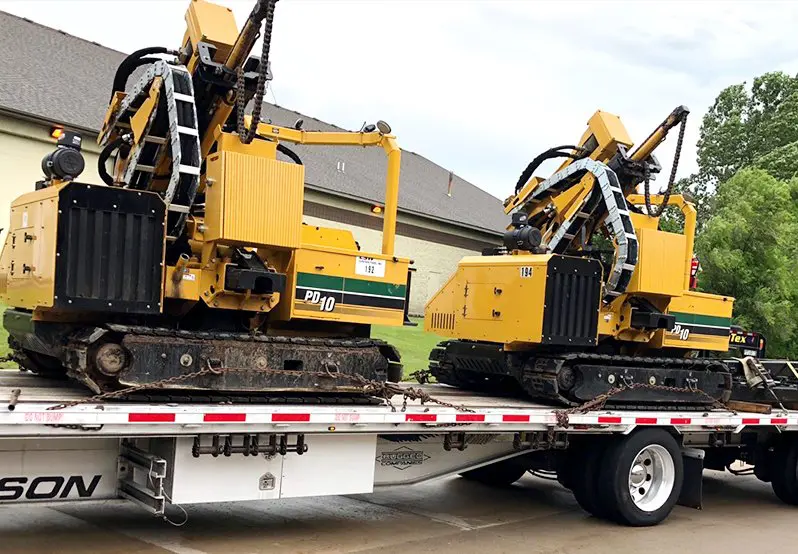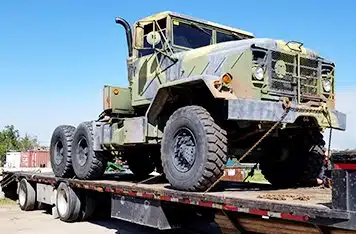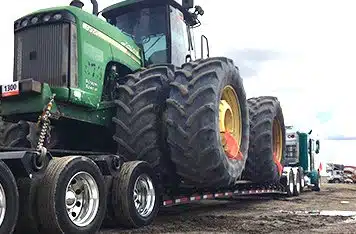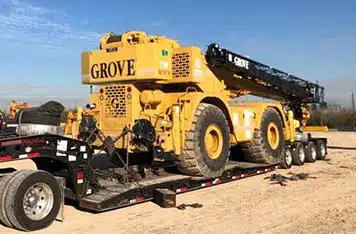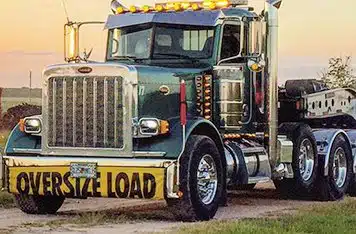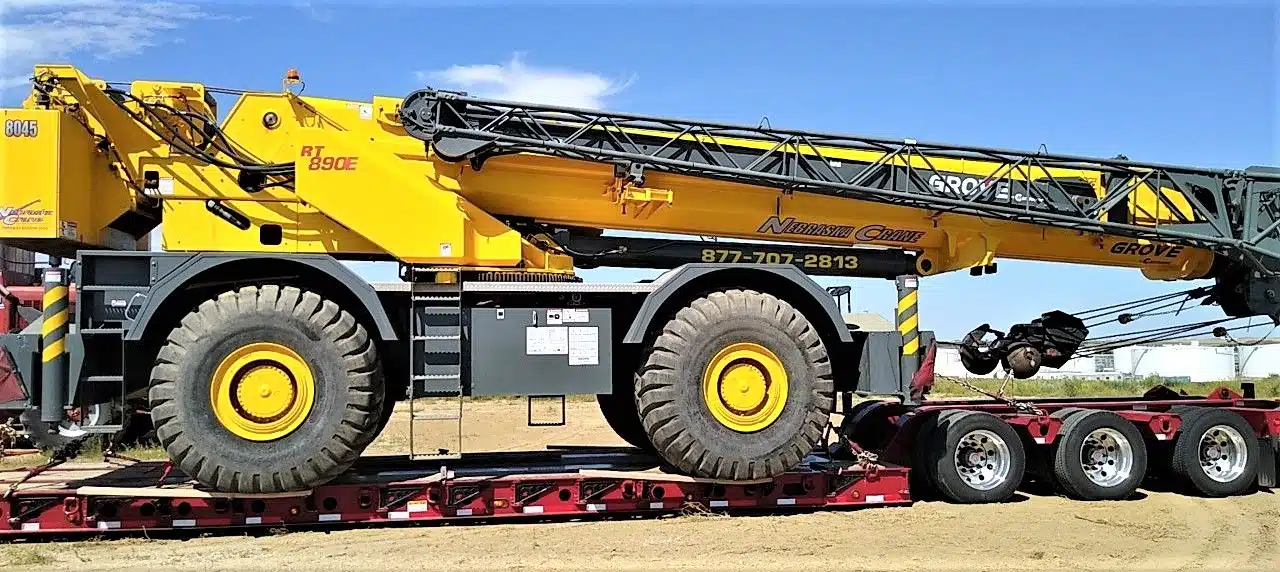






















Heavy haul trucking is an important part of the transportation industry, allowing goods to be shipped from one location to another in a safe and efficient manner. When it comes to heavy haul trucking from Colorado to Arizona, there are some unique considerations that must be taken into account. This article will explore the major highways a trucker might use, the special challenges they might face, the various weather conditions they might encounter, and any other special considerations.
Highways Used for Heavy Haul Trucking from Colorado to Arizona
When transporting goods via heavy haul trucking from Colorado to Arizona, some of the major highways that might be used include I-70, US-50, I-25, US-160, US-550, and I-17. I-70 is the longest of these highways and is the main east-west route, running from Maryland to Utah. US-50 runs from West Virginia to California, and is also a key route for truckers hauling goods from Colorado to Arizona. I-25 is the main north-south route, running from Wyoming to New Mexico. US-160 and US-550 are both well-traveled highways, linking Colorado with Arizona. I-17 is the shortest of these highways, connecting Flagstaff, Arizona, to Phoenix. When traveling along any of these major highways, truckers should be aware that there are certain laws and regulations that must be followed. For example, all commercial trucks must adhere to weight restrictions and must be inspected regularly. Additionally, truckers must take into account the different speed limits on each highway. Although truckers may want to get to their destination as quickly as possible, driving too fast can be dangerous and can lead to fines and other penalties.Challenges Faced in Heavy Haul Trucking from Colorado to Arizona
When it comes to heavy haul trucking from Colorado to Arizona, there are some unique challenges that must be taken into account. One of the major challenges is the steep inclines and declines that are common on the highways connecting the two states. These inclines and declines can put a strain on the truck’s engine, brakes, and tires, and can make the journey more dangerous. Additionally, the mountainous terrain of Colorado and Arizona can make the journey more difficult and time-consuming. Another challenge that truckers may face is the weather conditions. During the winter months, the highways can become icy and slippery, making it difficult to keep the truck on the road. In the summer months, the temperatures can reach extreme levels, which can cause the truck’s engine to overheat. Additionally, windy conditions can make the journey more difficult and can cause the truck to sway while driving. Truckers must always be prepared for any weather conditions they may encounter on the road.Weather Conditions on the Route
The weather conditions on the route from Colorado to Arizona can vary greatly depending on the time of year. During the summer months, temperatures can reach well above 100 degrees Fahrenheit, making it important for truckers to take precautions to keep themselves and their cargo safe. Additionally, high winds and dust storms are common in the summer months, and truckers should be prepared for these conditions. In the winter months, temperatures can drop to below freezing, making it important for truckers to be aware of icy roads and low visibility. Additionally, snowstorms can hit with little warning, and truckers should be prepared for these conditions as well.Special Considerations for Heavy Haul Trucking from Colorado to Arizona
When transporting goods from Colorado to Arizona, there are some special considerations that should be taken into account. First, truckers should be aware of the weight restrictions on the highways they are traveling on. Additionally, truckers should be aware of any special permits or licenses that may be required for their cargo. Finally, truckers should be aware of any special regulations or laws that may be in place in either state. Overall, heavy haul trucking from Colorado to Arizona can be a challenging endeavor. By following the proper laws and regulations, taking into account the unique challenges of the route, and being prepared for any weather conditions they may encounter, truckers can ensure that their journey is safe and successful.Shipping heavy equipment across state lines? Freedom Heavy Haul handles permits, compliance, and safe delivery for interstate equipment transport.
For comprehensive heavy haul services in Arizona, visit our Arizona equipment transport services page to get a free quote and learn about state-specific regulations, permits, and route planning.