





















Heavy Haul Trucking From Florida to New Mexico
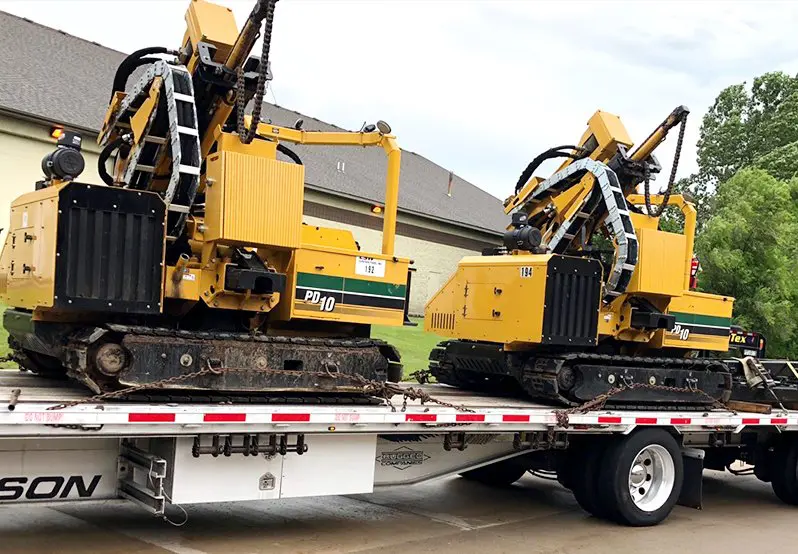
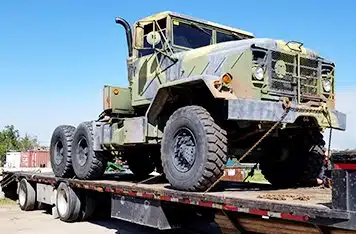
Trucking is an essential part of the shipping industry, and long-haul truckers are often responsible for transporting large, heavy loads from one destination to another. Heavy haul trucking from Florida to New Mexico is no exception. It is a job that requires skill, experience, and a knowledge of the terrain and the routes to get the job done efficiently and safely. Here we will look at the highways a trucker might use to transport a haul from Florida to New Mexico, the unique challenges they might face, the various weather conditions they might encounter, and any other special considerations.
Highways
When trucking from Florida to New Mexico, the most popular route is Interstate 10. This interstate runs from Jacksonville, Florida to Anthony, Texas, just south of El Paso, Texas. This route has the advantage of cutting through the states of Alabama, Mississippi, Louisiana, and Texas, allowing the trucker to drive through a variety of climates and landscapes. Other routes include U.S. Highway 90 and U.S. Highway 84. U.S. Highway 90 follows the Gulf Coast from Pensacola, Florida to El Paso, Texas and U.S. Highway 84 follows the Texas panhandle from Dalhart, Texas to Brownwood, Texas. Both of these highways offer the trucker a more scenic route than the interstate, but may add time to the trip.Challenges
Heavy haul trucking from Florida to New Mexico presents its own unique challenges. One of the biggest challenges is that of time. This is a long haul, and it is important that the trucker is able to make it to their destination in a timely manner. This means that the trucker must be mindful of traffic, road closures, and other delays. In addition, the trucker must be aware of any speed limits or other laws that might affect the route they are taking. It is also important to note that truckers must adhere to the federal hours-of-service laws, which limit the number of hours they can be on the road.Weather Conditions
The weather can be a major factor when it comes to heavy haul trucking from Florida to New Mexico. This route passes through several different climates, ranging from humid subtropical in Florida to semi-arid in New Mexico. The trucker must be aware of the potential for severe weather conditions, such as thunderstorms, high winds, and icy roads. In addition, the trucker must be prepared for sudden changes in temperature, which can be especially problematic for those hauling refrigerated loads.Special Considerations
When heavy haul trucking from Florida to New Mexico, truckers must take into consideration any special requirements for the load they are hauling. For example, some states may require the trucker to obtain a special permit in order to operate their vehicle in that state. Additionally, truckers must be aware of the size and weight limits of theload they are hauling, as well as any restrictions on the type of vehicle they are operating. Finally, truckers must be aware of any restrictions on the type of goods they are hauling, such as hazardous materials or livestock.Shipping heavy equipment across state lines? Freedom Heavy Haul handles permits, compliance, and safe delivery for interstate equipment transport.
For comprehensive heavy haul services in Florida, visit our Florida equipment transport services page to get a free quote and learn about state-specific regulations, permits, and route planning.