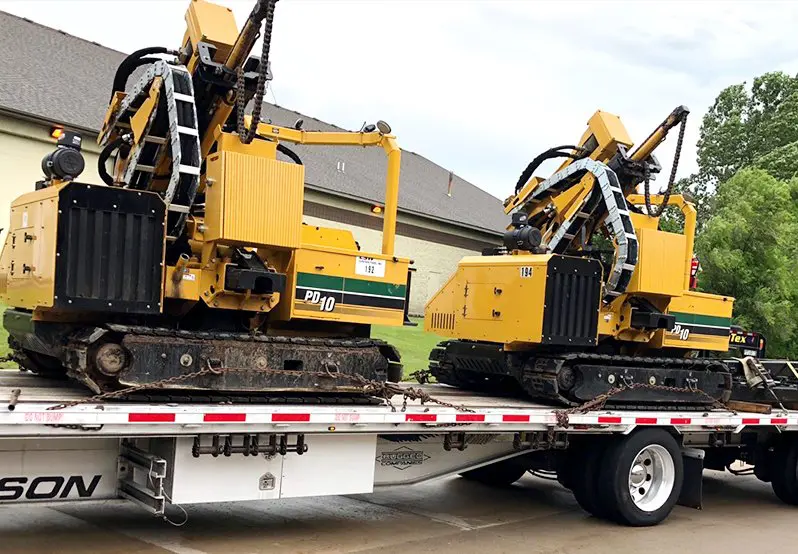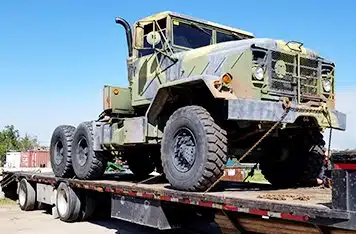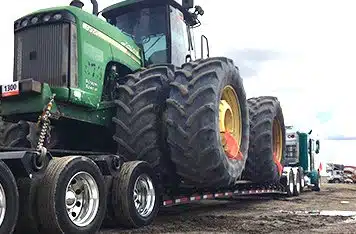






















Heavy Haul Trucking From Iowa to North Dakota
Truckers transporting heavy hauls from Iowa to North Dakota are often faced with unique challenges. From navigating rural roads, to dealing with extreme weather conditions, there are a number of considerations when it comes to heavy haul trucking in the Midwest. Let's take a look at some of the most important highways a trucker might use, the weather conditions they might encounter, and any other special considerations.Highways Used for Hauling
When it comes to transporting heavy hauls from Iowa to North Dakota, there are a few primary highways that are utilized. The most common route is Interstate 29, which runs from Sioux City, Iowa, to Fargo, North Dakota. This highway is the most direct route, and is often the preferred route for truckers due to its relative ease of navigation. In addition to Interstate 29, there are a number of other highways that are utilized for hauling heavy loads. The most popular alternate route is Interstate 90, which runs from Minnehaha County, South Dakota, to the Twin Cities area in Minnesota. This route is often utilized by truckers who are looking to avoid the more heavily trafficked Interstate 29.Weather Conditions
When it comes to hauling heavy loads from Iowa to North Dakota, truckers must also take into account the weather conditions they may encounter. The Midwest is known for its extreme weather patterns, and during the summer months, temperatures can reach well over 100 degrees Fahrenheit. This often makes hauling heavy loads difficult, as the heat can cause the load to shift and become unstable. Furthermore, the Midwest is also known for its extreme winter weather. During the winter months, temperatures can drop to below zero, and snow and ice can be a major concern. Truckers must be prepared to deal with these conditions, as they can cause a number of issues, from icy roads to slippery surfaces.Special Considerations
When it comes to hauling heavy loads from Iowa to North Dakota, there are a few special considerations that must be taken into account. The first is the regulations and laws that are in place. Truckers must ensure that they are following all applicable laws and regulations, as failure to do so can result in fines and other penalties. Furthermore, truckers must also consider the size and weight of the load they are hauling. It is important to ensure that the load is within the weight and size restrictions of the road being traveled, as failure to do so can result in costly citations and other penalties. Finally, truckers must also be aware of the fuel requirements of the load they are hauling. As fuel prices can vary greatly, it is important for truckers to be aware of the fuel costs associated with the load they are hauling, and to plan accordingly. Heavy haul trucking from Iowa to North Dakota can be a challenge, but with the right preparation, truckers can successfully transport their loads. By understanding the highways used for hauling, the weather conditions that may be encountered, and any special considerations, truckers can ensure that their haul is a success.Shipping heavy equipment across state lines? Freedom Heavy Haul handles permits, compliance, and safe delivery for interstate equipment transport.
For comprehensive heavy haul services in Iowa, visit our Iowa equipment transport services page to get a free quote and learn about state-specific regulations, permits, and route planning.