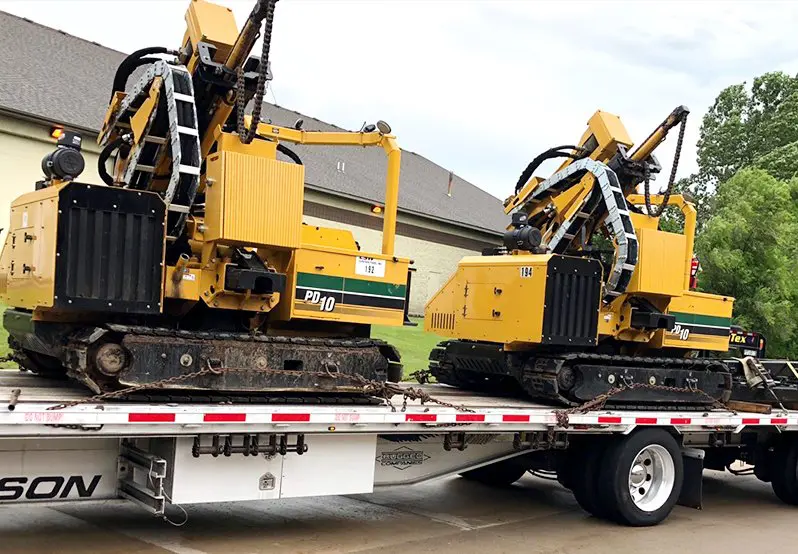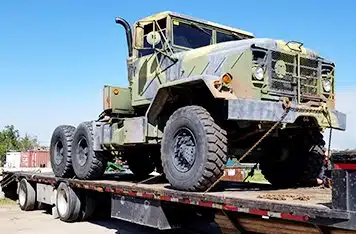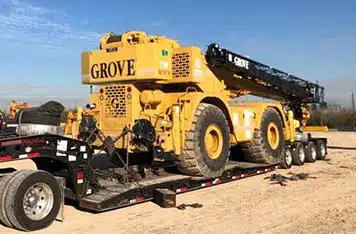






















Highways for Heavy Haul Trucking From Minnesota to Rhode Island
Truckers transporting heavy hauls from Minnesota to Rhode Island will most likely take Interstate 90 eastbound from Minnesota, connecting to Interstate 80 in Illinois. This route will then take them through Indiana, Ohio, Pennsylvania, and New York, before arriving in Rhode Island. Along this route, the trucker will also pass through major cities such as Chicago, Cleveland, Buffalo, Syracuse, and Albany. Interstate 90 is the longest Interstate highway in the United States, stretching 3,020 miles from Seattle, Washington to Boston, Massachusetts. It passes through some of the most iconic cities and landscapes in the country, including the Great Lakes, the Black Hills of South Dakota, and the Appalachian Mountains. Along this route, the trucker will have plenty of opportunities to find fuel, food, and lodging.Unique Challenges of Heavy Haul Trucking From Minnesota to Rhode Island
Heavy haul trucking from Minnesota to Rhode Island is a challenging endeavor, due to the sheer distance and the remoteness of some of the areas that must be traveled through. In addition, there are the added complexities of navigating unfamiliar highways, as well as dealing with the ever-changing terrain and weather conditions. One unique challenge of this route is the fact that it passes through some of the most densely populated areas in the United States. This means dealing with heavy traffic, which can slow down progress and make it difficult to maintain a consistent speed. In addition, the trucker will need to be aware of the varying laws and regulations in each state, as well as the changing topography.Weather Considerations for Heavy Haul Trucking From Minnesota to Rhode Island
Weather is always a major consideration when transporting heavy hauls from Minnesota to Rhode Island. The route passes through several states with vastly different climates. In Minnesota, for example, temperatures can range from frigid in the winter to sweltering in the summer. In Rhode Island, the climate is much milder, but can still be unpredictable. The trucker must also be aware of the potential for extreme weather in the form of severe thunderstorms, blizzards, and flooding. In addition, they must be prepared for the possibility of icy roads in the winter months. It is essential to have a plan in place for dealing with these conditions, including access to reliable weather forecasts, a clear understanding of the route, and suitable supplies for dealing with inclement weather.Other Considerations for Heavy Haul Trucking From Minnesota to Rhode Island
When transporting heavy hauls from Minnesota to Rhode Island, truckers must also consider the potential for delays due to construction, traffic, and other unforeseen issues. It is important to plan for these delays by allowing extra time in the schedule. In addition, the trucker should always be prepared to make adjustments to the route if needed, in order to avoid traffic, construction, or other impediments. Finally, truckers must be aware of the potential for breakdowns or other mechanical issues. To minimize the risk of a breakdown, the trucker should take care to maintain their equipment in good condition, and to plan for any necessary repairs or maintenance. The trucker should also be prepared to contact roadside assistance in the event of a breakdown.Shipping heavy equipment across state lines? Freedom Heavy Haul handles permits, compliance, and safe delivery for interstate equipment transport.
For comprehensive heavy haul services in Minnesota, visit our Minnesota equipment transport services page to get a free quote and learn about state-specific regulations, permits, and route planning.