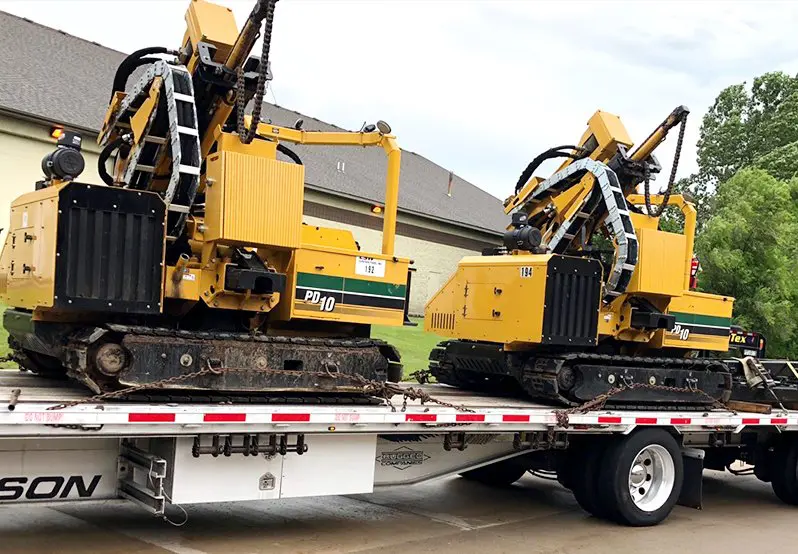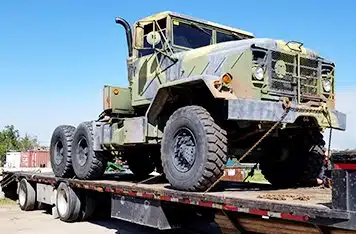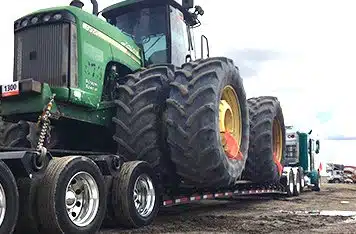






















Heavy Haul Trucking From New Jersey to Georgia
The transportation of heavy hauls from New Jersey to Georgia presents a unique set of challenges that must be considered before any trucker embarks on a journey. There are many highways that can be used to make the trip, each with their own advantages and disadvantages. Weather conditions must also be taken into account, as well as any special considerations for the haul itself.
Highways
When traveling from New Jersey to Georgia, there are a few major highways that can be taken. The easiest route is to take I-95 South all the way down. This is a relatively easy and straightforward route, as it runs directly down the eastern seaboard. However, it is also the most heavily trafficked route and can become congested with traffic, especially near major cities like Baltimore and Washington DC. An alternate route is to take I-81 South from Pennsylvania to Tennessee, then take I-75 South from there to Georgia. This is a more scenic route, as it passes through the Appalachian Mountains. Additionally, it is less trafficked than I-95, so there is less chance of becoming stuck in traffic. However, it is a longer route and it can be difficult to navigate, as there are many turns and switchbacks. Finally, there is the option of taking I-77 South from West Virginia to South Carolina, then taking I-26 West to Georgia. This is the shortest route, but it is also the least traveled, so it can be difficult to find services like rest stops and fuel stations.Weather
When traveling from New Jersey to Georgia, the weather can be a major factor. In the winter, the northern states can be subject to snow and ice, making driving difficult and hazardous. Similarly, the southern states can be subject to extreme heat and humidity in the summer, which can lead to fatigue and road fatigue. The best option when traveling from New Jersey to Georgia is to plan your trip for the spring or fall. During these times, the weather is milder and the roads are less dangerous. It is also important to be aware of any changing weather conditions, as storms can pop up suddenly and cause dangerous driving conditions.Special Considerations
When transporting a heavy haul from New Jersey to Georgia, there are certain special considerations that must be taken into account. First, it is important to ensure that the vehicle and its cargo are properly secured and that all safety protocols are followed. Additionally, it is essential to have the appropriate permits and documentation for crossing state lines. It is also important to be aware of the varying speed limits, as some states have lower speed limits for heavy hauls. Finally, it is important to factor in the time needed for rest and refueling. This can be especially important in areas with fewer services, such as the Appalachian Mountain range. When planning a trip, it is best to plan for extra time in case of an emergency.Conclusion
Transporting a heavy haul from New Jersey to Georgia presents a unique set of challenges. It is important to consider the various highways that can be taken, as well as the weather conditions and special considerations that must be taken into account. By planning ahead and taking the necessary precautions, a trucker can ensure a safe and successful journey.Shipping heavy equipment across state lines? Freedom Heavy Haul handles permits, compliance, and safe delivery for interstate equipment transport.
For comprehensive heavy haul services in Georgia, visit our Georgia equipment transport services page to get a free quote and learn about state-specific regulations, permits, and route planning.