





















Heavy Haul Trucking From New Jersey to Montana
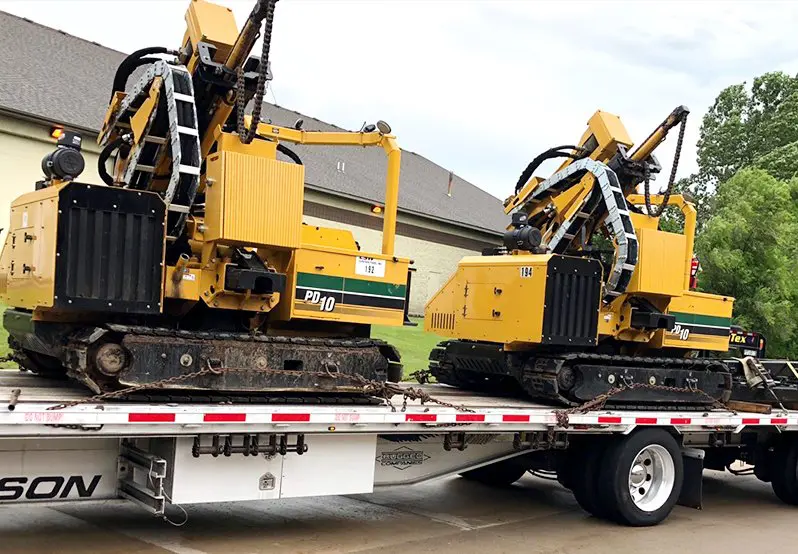
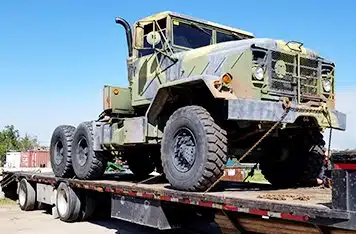
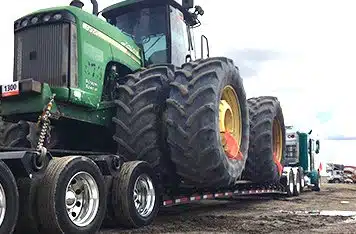
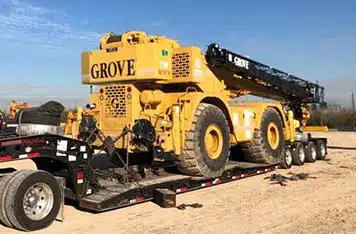
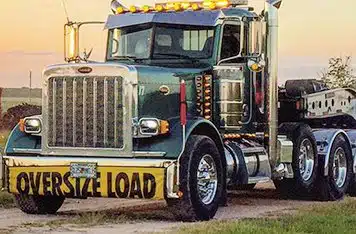
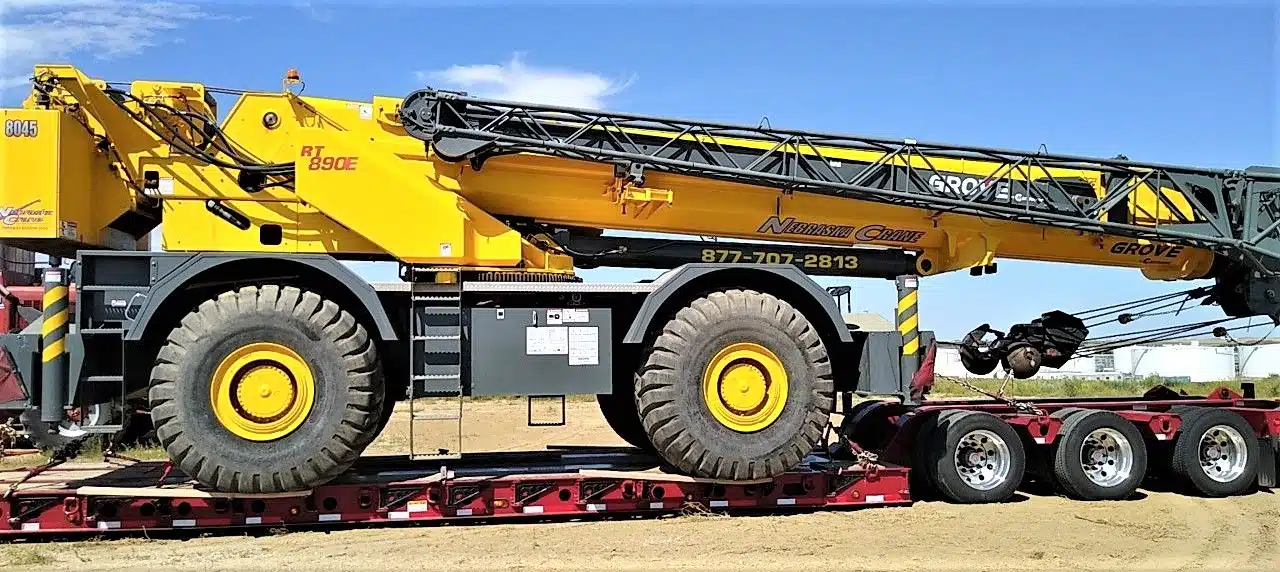
Heavy haul trucking is an essential element in the supply chain between states and countries. Transporting goods from one place to another requires a reliable and experienced driver who can handle the unique challenges that come with driving from New Jersey to Montana. In this article, we will discuss the major highways a trucker might use to transport a haul from New Jersey to Montana, the unique challenges that might be faced, the various weather conditions that might be encountered when shipping from New Jersey to Montana, and any other special considerations.
Major Highways
The most common route for a trucker to take when transporting a haul from New Jersey to Montana is to follow I-80 West. This route follows a corridor that runs through Pennsylvania, Ohio, Indiana, Illinois, Iowa, Nebraska, Wyoming, and into Montana. It is the most direct route, and is the most heavily trafficked interstate in the United States. Along this route, truckers will encounter several major metropolitan areas, including Chicago, Omaha, and Cheyenne. Truckers may also take I-90 West as an alternate route, which runs through New York, Pennsylvania, Ohio, Indiana, Illinois, Wisconsin, Minnesota, South Dakota, and Wyoming, before arriving in Montana. I-90 is the second-longest interstate in the United States, and is commonly used by truckers who are hauling goods from East Coast to West Coast. It is notable for its long stretches of flat terrain, and its many scenic views.Unique Challenges
When transporting a haul from New Jersey to Montana, there are several unique challenges that a trucker may face. One of the most common is the varying terrain, as the route passes through several different states and environments. Tackling the steep grades of the Rocky Mountains and the windy roads of the Great Plains can be a difficult task for even the most experienced trucker. Another challenge is the time difference between the two states. New Jersey is in the Eastern Time Zone, while Montana is in the Mountain Time Zone. This can be a challenge for truckers who are hauling perishable goods, as they must make up the time difference in order to deliver their shipment on time.Weather Conditions
When transporting a haul from New Jersey to Montana, a trucker should be aware of the various weather conditions they may encounter. In the East, truckers will likely have to deal with rain, snow, and extreme temperatures. In the Midwest, they may experience heavy winds and thunderstorms. The mountain states of Wyoming and Montana can be especially treacherous, as blizzards and avalanches can occur at any time. Truckers should also be aware of the potential for flash floods in the western states, as these can cause major delays and damage to shipments. It is important to consult a reliable weather service before heading out on the road and to monitor the conditions throughout the journey.Special Considerations
When hauling a load from New Jersey to Montana, there are several special considerations that a trucker should keep in mind. First, it is important to check local laws and regulations before beginning the trip. Some states may have special regulations regarding the size or weight of a truck and its load, and it is important to make sure that these are followed. Additionally, some states may have special permits, tolls, or taxes that must be paid in order to cross the state line. Second, it is important to be aware of the various laws and regulations regarding rest stops and driver fatigue. In order to comply with federal regulations, truckers must take regular breaks and get adequate rest in order to remain safe on the road. Finally, it is important to be aware of the various hazards that may be encountered while on the road. Heavy traffic, adverse weather conditions, and wildlife can all pose a significant risk to the safety of the driver and the cargo. It is important to be prepared and take all necessary precautions in order to prevent any accidents or delays. Heavy haul trucking from New Jersey to Montana is a challenging task, but with the right preparation and knowledge it can be completed safely and efficiently. By understanding the major highways, unique challenges, weather conditions, and special considerations, truckers can ensure that their shipment arrives on time and in good condition.Shipping heavy equipment across state lines? Freedom Heavy Haul handles permits, compliance, and safe delivery for interstate equipment transport.
For comprehensive heavy haul services in Montana, visit our Montana equipment transport services page to get a free quote and learn about state-specific regulations, permits, and route planning.