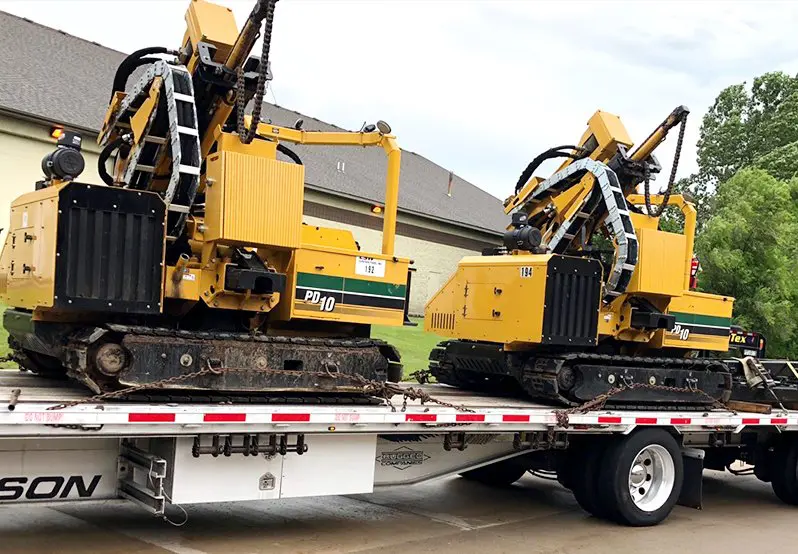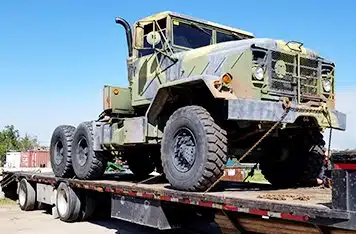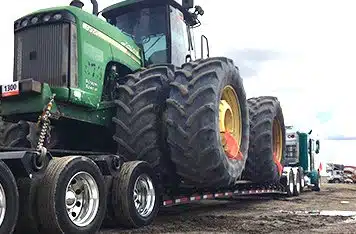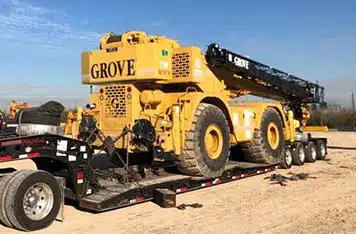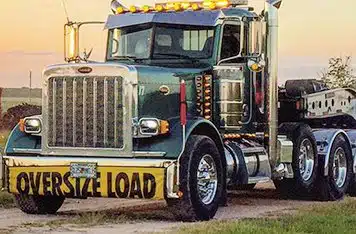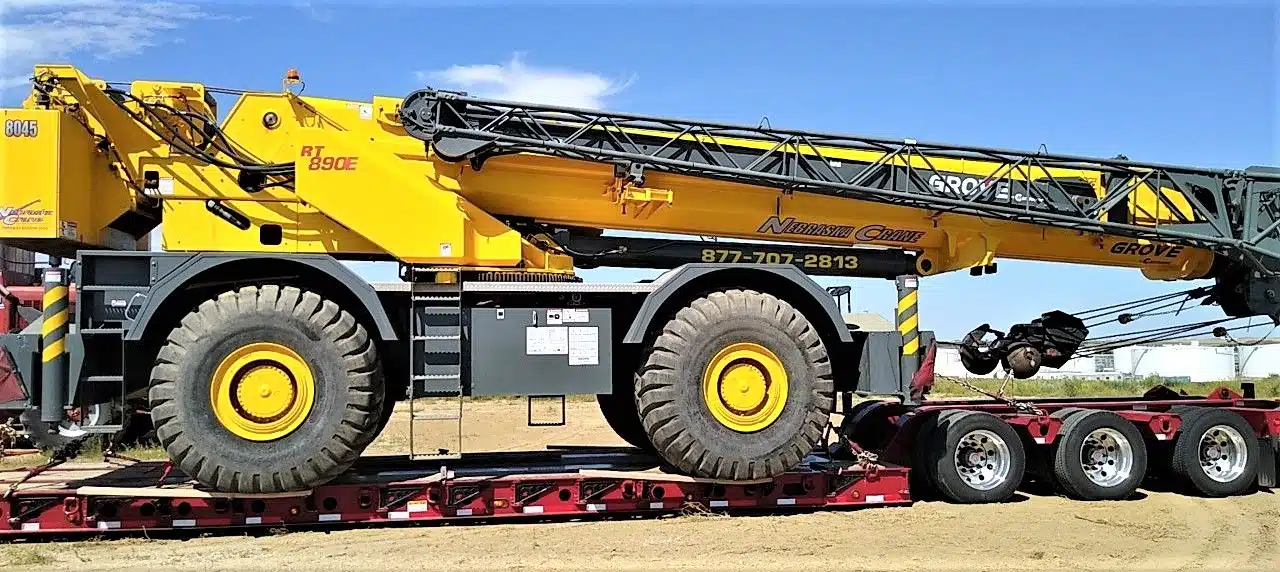






















Heavy haul trucking is a type of transport used to move heavy items such as machinery, large industrial equipment, and oversized loads. It is a specialized form of trucking that requires specialized equipment and training to ensure the load is safely and securely delivered. Moving a heavy haul from New Jersey to Texas requires careful planning, as there are unique challenges that come with driving across such long distances.
Major Highways
Truckers transporting heavy hauls from New Jersey to Texas will need to use major interstates and highways, such as I-95, I-80, I-70, and I-40. These highways are the main routes used for long-distance trucking. They are well-maintained and provide a direct route, with plenty of rest stops along the way. Driving on these highways can be unpredictable, however, and drivers must be aware of potential traffic delays, road closures, and other potential hazards. In addition to the major highways, truckers may also need to use smaller secondary roads. These roads can be more difficult to navigate, but they can provide an alternate route in the event of major road closures or traffic delays. It is important to plan out the route in advance and to be aware of any potential obstacles that may present themselves.Unique Challenges
Heavy haul trucking comes with its own set of unique challenges that must be taken into consideration. Drivers must be aware of the size and weight of the load they are transporting, as any heavy hauls will require special permits. Drivers must also be aware of any potential road closures or delays that may affect their route. Heavy haul trucking also requires specialized equipment such as heavy-duty trailers and lowboy trailers. These trailers must be inspected and serviced regularly to ensure they are in good condition and will not be damaged during transport. Drivers must also be aware of any special regulations that may apply to their particular route, as these regulations can vary from state to state.Weather Conditions
When shipping from New Jersey to Texas, drivers must be aware of the potential weather conditions that may be encountered along the way. Weather can play a significant role in the success of any heavy haul, as it can affect the roads and the visibility of the driver. Truckers should be prepared for all types of weather, from heavy rain and snow to strong winds and extreme temperatures. It is important to plan for any potential weather conditions, as they can cause delays and can potentially damage the load. Drivers should check the forecast before leaving, and should be prepared to adjust their route or take a detour if necessary.Special Considerations
When transporting a heavy haul from New Jersey to Texas, there are several special considerations that must be taken into account. Drivers should be aware of any restrictions that may apply to the route, such as weight limits, speed limits, and any hazardous materials regulations. Drivers must also be aware of the potential for damage to the load and the trailer, and should be prepared to take the necessary steps to ensure the safety of the haul. In addition, drivers should be aware of any potential delays or road closures that may affect their route, and should plan for alternate routes in case of emergency. Heavy haul trucking is a specialized form of transport that requires careful planning and preparation. Truckers must be aware of the unique challenges that come with transporting a heavy haul from New Jersey to Texas, and must take the necessary steps to ensure the safety of the haul. With the right preparation, truckers can safely and securely deliver their loads with minimal delays.Shipping heavy equipment across state lines? Freedom Heavy Haul handles permits, compliance, and safe delivery for interstate equipment transport.
For comprehensive heavy haul services in New Jersey, visit our New Jersey equipment transport services page to get a free quote and learn about state-specific regulations, permits, and route planning.