





















Heavy Haul Trucking From Oklahoma to Maryland
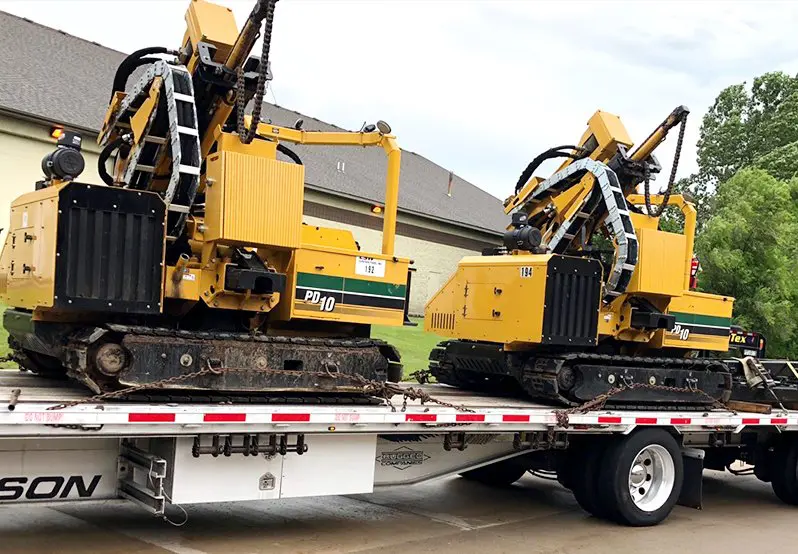
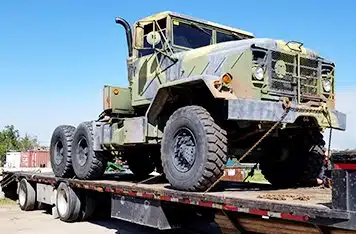
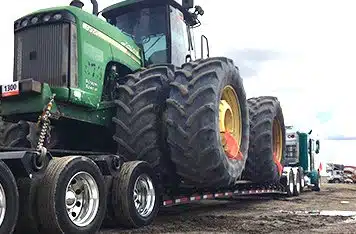
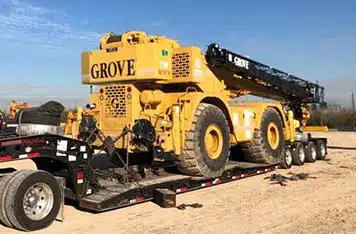
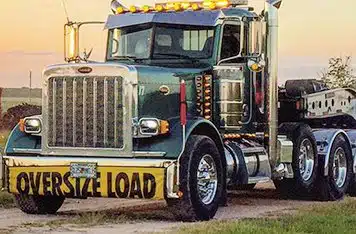
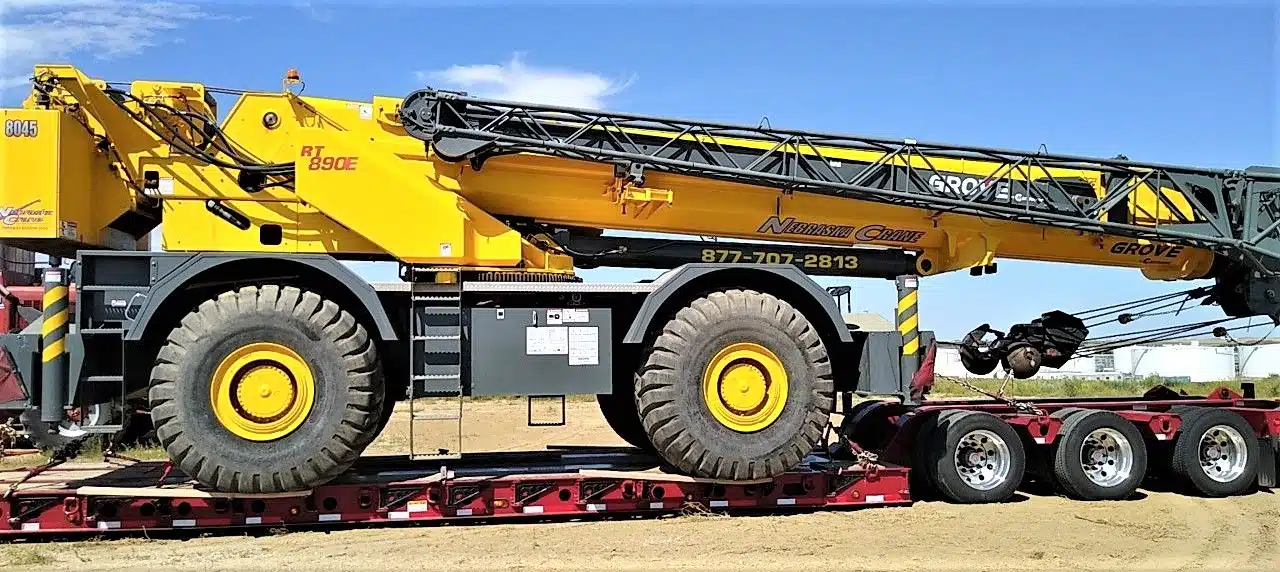
Heavy haul trucking is a unique type of freight shipping that requires specialized trucks and equipment. It is usually used to transport large, awkward, or unusually shaped items, such as large industrial machinery, construction equipment, drilling rigs, and other items that are too big or too heavy for a standard truck. When it comes to transporting heavy freight from Oklahoma to Maryland, there are several important factors to consider, including the route, challenges, and weather conditions.
Major Highways
The most common route for heavy haul trucking from Oklahoma to Maryland is Interstate 40. This highway runs through the heart of Oklahoma and Arkansas before crossing into Tennessee and then terminating in North Carolina. It is a primary route for truckers transporting heavy freight from Oklahoma to Maryland, as it is a direct route that offers relatively easy and quick access to the eastern part of the United States. Additionally, it is well-maintained and offers access to several rest stops and trucking facilities. However, truckers should also consider alternate routes. For example, Interstate 44 runs through the center of Oklahoma and Missouri before ending in St. Louis. Interstate 70 runs through the middle of the United States, passing through Ohio, West Virginia, and Pennsylvania before ending in Maryland. Both of these routes offer access to the eastern United States and provide alternative paths for truckers to consider.Unique Challenges
When hauling heavy freight from Oklahoma to Maryland, truckers must be aware of the unique challenges associated with this type of freight. For example, the size and weight of the items being shipped can make it difficult to maneuver through tight spaces, such as winding roads and construction zones. Additionally, the size and shape of the items can make them difficult to secure and stabilize in the truck, which can lead to damage if not properly secured. Truckers must also consider the varying regulations and restrictions associated with heavy haul trucking. In some states, such as Maryland, there may be additional regulations and restrictions regarding the size and weight of items being transported. Additionally, truckers must be aware of any tolls or fees associated with using certain roads or bridges.Weather Conditions
When hauling heavy freight from Oklahoma to Maryland, truckers must be prepared for a variety of weather conditions. Oklahoma is known for its extreme temperatures, and temperatures can range from below freezing in the winter to over 100 degrees Fahrenheit in the summer. Additionally, thunderstorms and tornadoes can occur at any time of year. Truckers should also be prepared for varying temperatures and weather conditions as they travel east. While Maryland tends to be cooler than Oklahoma due to its proximity to the Atlantic Ocean, temperatures can still reach extreme levels during the summer months. Additionally, thunderstorms, snowstorms, and other severe weather can occur at any time of year.Special Considerations
When hauling heavy freight from Oklahoma to Maryland, truckers must also be aware of any special considerations. For example, some roads may not be suitable for heavy haul trucking due to their narrow width or steep inclines. Additionally, certain types of cargo may require additional permits or paperwork, such as hazardous materials. Finally, truckers must be prepared for any delays due to road construction or accidents. Overall, hauling heavy freight from Oklahoma to Maryland is a challenging and complex process that requires careful planning and preparation. Truckers must consider the various routes, challenges, and weather conditions that may be encountered, as well as any special considerations. By taking the time to properly plan and prepare, truckers can ensure their heavy haul shipments arrive safely and on time.Shipping heavy equipment across state lines? Freedom Heavy Haul handles permits, compliance, and safe delivery for interstate equipment transport.
For comprehensive heavy haul services in Maryland, visit our Maryland equipment transport services page to get a free quote and learn about state-specific regulations, permits, and route planning.