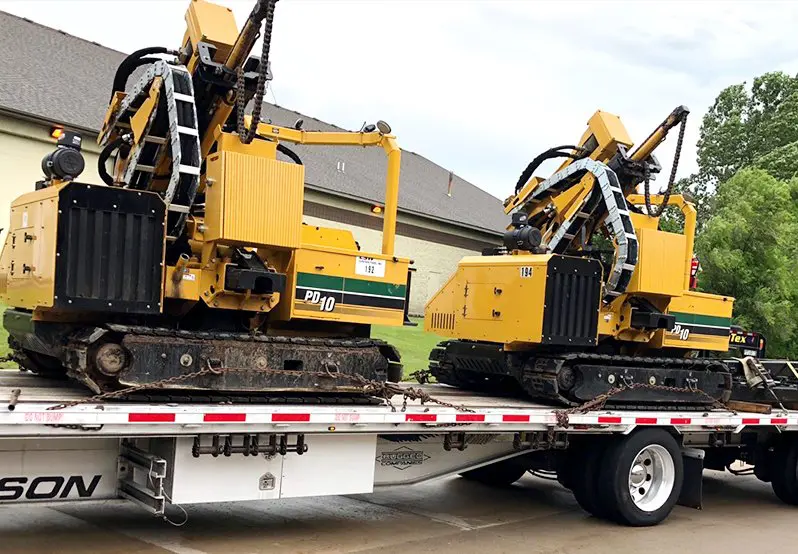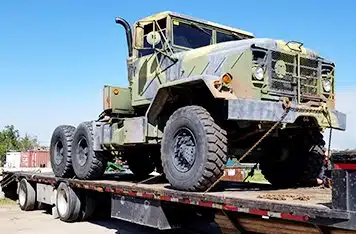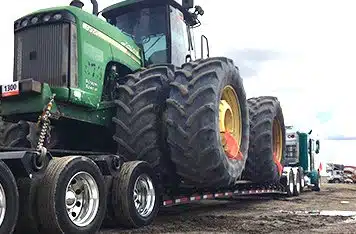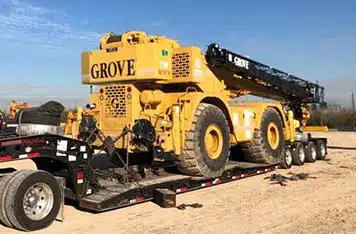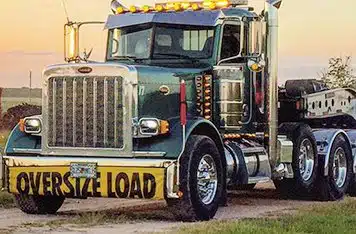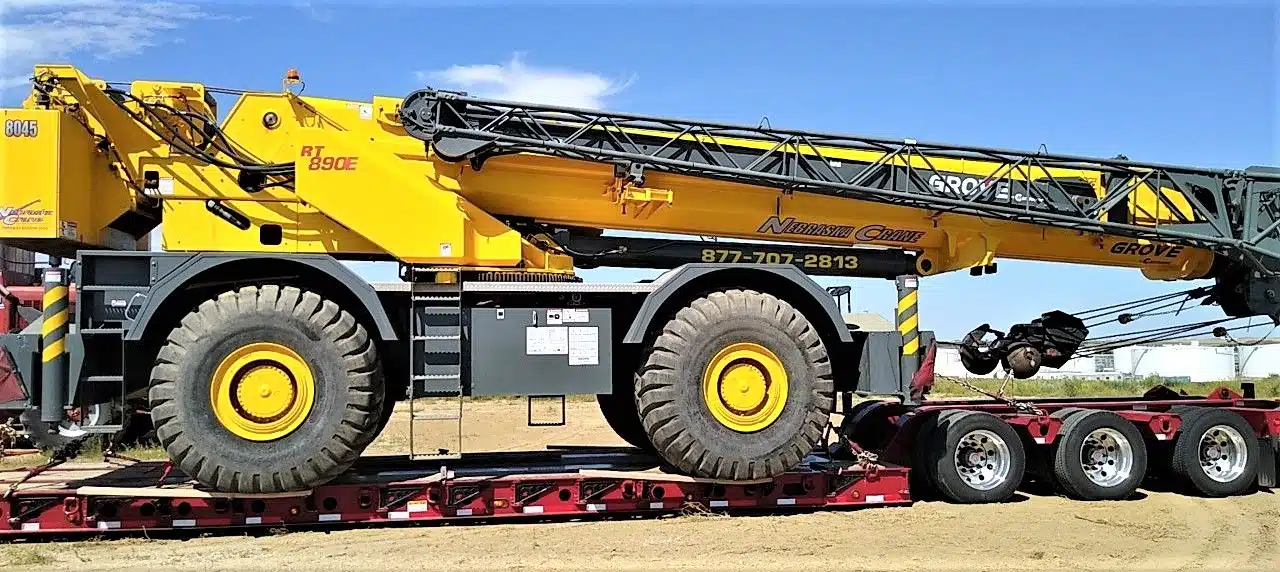






















Heavy haul trucking is an essential part of the transportation industry, and it is especially important for transporting large and heavy loads across long distances. Shipping a heavy haul from Oregon to Virginia is no exception and presents its own unique challenges. Here, we will discuss major highways, potential challenges, weather conditions, and other special considerations for heavy haul trucking from Oregon to Virginia.
Major Highways
When transporting a heavy haul from Oregon to Virginia, there are several major highways that can be used. The most common route is the I-84, I-80, and I-76, which spans from Portland, Oregon to Pittsburgh, Pennsylvania. This route provides a relatively direct path, taking truckers through the states of Oregon, Idaho, Utah, Wyoming, Nebraska, Iowa, Illinois, Indiana, and Ohio before reaching Pennsylvania. In addition to the I-84, I-80, and I-76 route, truckers may also opt for a more southern route that traverses through the states of Oregon, California, Arizona, New Mexico, Texas, Oklahoma, Arkansas, Tennessee, Kentucky, and West Virginia before reaching Virginia. This southern route is typically longer and can be more challenging, depending on the size and weight of the load.Potential Challenges
When transporting a heavy haul from Oregon to Virginia, there are a number of potential challenges that truckers may face. One of the most common challenges is weight restrictions. In general, heavy haul trucking requires specialized trucks with enhanced capacity to carry large and heavy loads. However, many states have weight restrictions that limit the size and weight of loads that can be carried on certain highways. It is therefore important for truckers to be aware of these restrictions and to plan accordingly. In addition, truckers should also be aware of any hazardous material regulations. Depending on the type of load being transported, certain hazardous materials may require special permits or other restrictions. It is important to research these regulations ahead of time to ensure that all requirements are met.Weather Conditions
When transporting a heavy haul from Oregon to Virginia, truckers must also consider the potential weather conditions that could be encountered. In general, the Pacific Northwest, including Oregon, is known for its rainy and wet weather. This can make road conditions more difficult and can also cause delays due to flooding or other weather-related issues. In addition, the southern route through Arizona, New Mexico, and Texas can be extremely hot and dry during the summer months. This can be especially challenging for truckers as it can lead to increased tire wear and other wear-and-tear on the truck and its load.Special Considerations
When transporting a heavy haul from Oregon to Virginia, there are also a few special considerations that truckers should keep in mind. First, truckers should consider the potential for traffic delays. Major highways, such as the I-84, I-80, and I-76, can become congested during peak times of the year. This can lead to significant delays and can affect the overall delivery time of the load. Second, truckers should also be aware of the potential for tolls. Depending on the route taken, truckers may need to pay tolls in order to use certain highways. It is important to research these potential tolls ahead of time to ensure that they are accounted for in the overall delivery plan. Finally, truckers should also consider the potential for mechanical breakdowns or other issues. Even with proper maintenance, heavy haul trucks may experience unexpected issues that can lead to delays or other unforeseen problems. It is important to plan for these potential issues and to have a contingency plan in place. Heavy haul trucking from Oregon to Virginia can be a challenging but rewarding endeavor. By planning ahead and researching the potential challenges, truckers can ensure a safe and successful delivery.Shipping heavy equipment across state lines? Freedom Heavy Haul handles permits, compliance, and safe delivery for interstate equipment transport.
For comprehensive heavy haul services in Oregon, visit our Oregon equipment transport services page to get a free quote and learn about state-specific regulations, permits, and route planning.