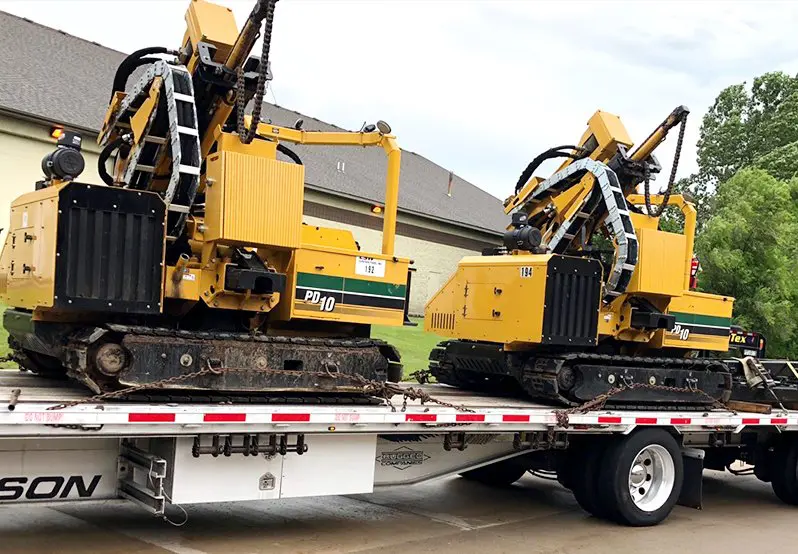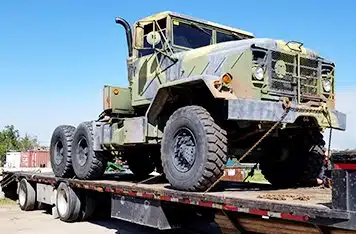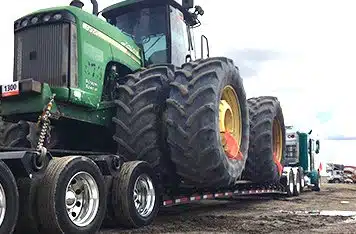






















Heavy Haul Trucking From Virginia to North Carolina
Transporting large freight from Virginia to North Carolina requires experience, knowledge, and skill. Heavy haul truckers must know the highways, the weather conditions, and other special considerations to ensure a successful trip. Below is an overview of the unique challenges and considerations that come with hauling freight from Virginia to North Carolina.
Highways
The most common route for heavy haul truckers transporting freight from Virginia to North Carolina is Interstate 77. I-77 is an interstate highway that runs through the Blue Ridge Mountains, connecting Virginia and North Carolina. The highway is approximately 315 miles in length and can take up to 7 hours to drive. Along the route, truckers will encounter a number of mountain passes, including Fancy Gap, Fancy Gap Mountain, and Piney Mountain. These passes can be especially challenging, as the road is often steep, winding, and narrow. Truckers must take extra caution while driving and should slow down when approaching mountain passes. Another popular route for truckers is US Route 52. US Route 52 is a north-south highway that runs through Virginia and North Carolina. The highway is approximately 200 miles in length and takes about 4 hours to drive. US Route 52 is much less mountainous than I-77 and is generally considered a safer route. However, there are still a few steep hills and curves that truckers should be aware of. Additionally, US Route 52 is sometimes prone to traffic delays, so truckers should factor in extra time when considering this route.Weather Conditions
Weather can have a significant impact on the transportation of heavy freight from Virginia to North Carolina. Heavy rains can cause flooding and landslides, making the roads impassable. Heavy snow can also cause road closures, especially in mountain passes. Truckers must also be aware of strong winds, which can cause severe crosswinds that can make it difficult to keep the truck on the road. Additionally, truckers should be aware of extreme temperatures, both hot and cold, which can cause engine problems and tire blowouts. Whenever possible, truckers should plan their routes to avoid bad weather conditions. However, if bad weather is unavoidable, truckers should take extra caution and be prepared for unexpected conditions.Other Considerations
When hauling a heavy load from Virginia to North Carolina, truckers must also be aware of other considerations. For example, some roads are off-limits to certain types of vehicles, and truckers should be aware of these restrictions. Additionally, certain roads may require an oversize load permit or other special permits. Truckers must also be aware of the weight limits for bridges and other structures. Bridges and other structures may have weight limits that cannot be exceeded, and truckers must be aware of these limits to avoid getting stuck or causing damage. Finally, truckers must factor in rest stops and other breaks. Driving for long periods of time can be fatiguing, and truckers should take regular breaks to ensure that they are alert and well-rested. Heavy haul trucking from Virginia to North Carolina requires a great deal of knowledge, skill, and experience. Truckers must be familiar with the highways and weather conditions, and be aware of other special considerations. By taking the necessary precautions, truckers can ensure a successful and safe trip.Shipping heavy equipment across state lines? Freedom Heavy Haul handles permits, compliance, and safe delivery for interstate equipment transport.
For comprehensive heavy haul services in North Carolina, visit our North Carolina equipment transport services page to get a free quote and learn about state-specific regulations, permits, and route planning.