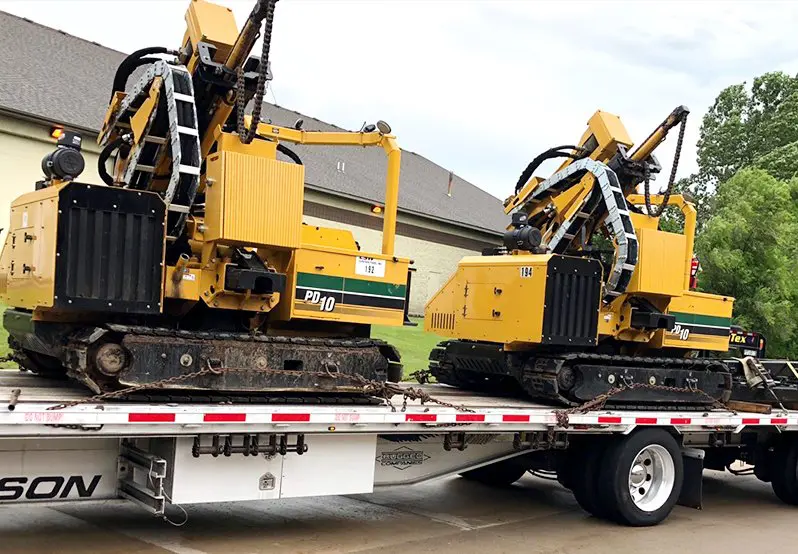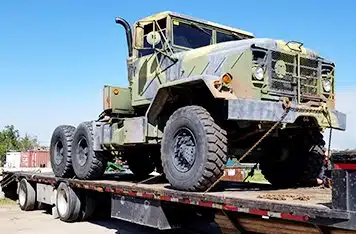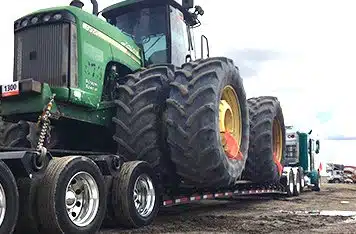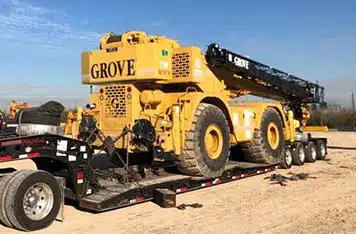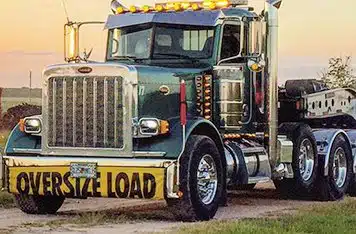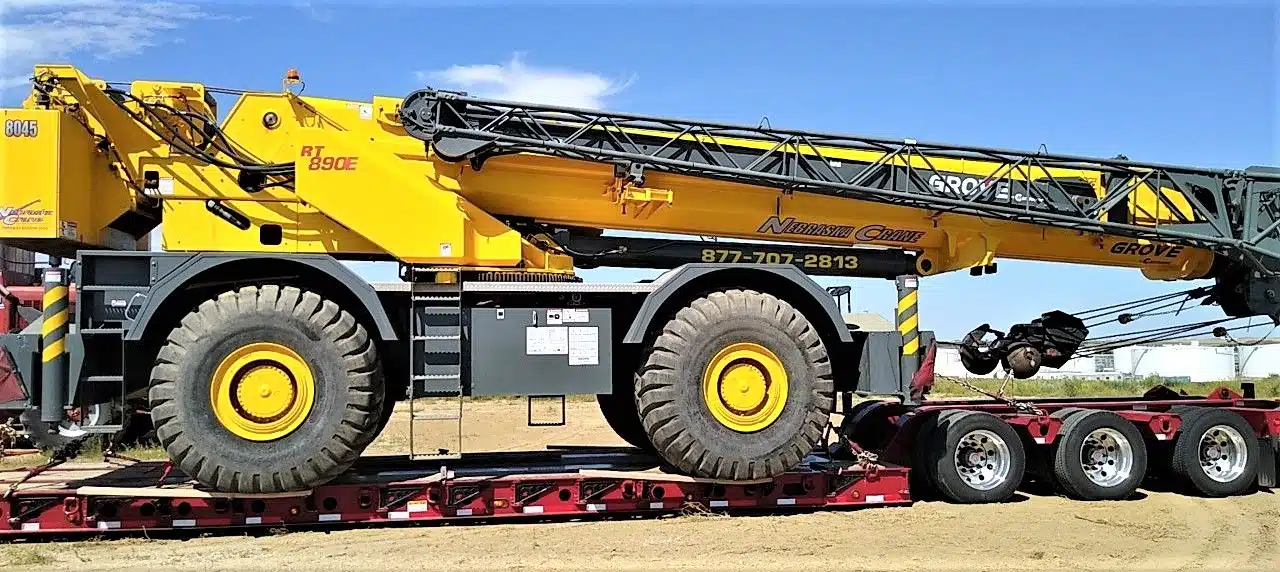






















Heavy Haul Trucking From West Virginia to California
For truckers, shipping heavy haul loads from West Virginia to California can be an exciting but challenging endeavor. With thousands of miles of roadway to traverse, unpredictable weather, and a variety of restrictions to consider, a successful journey requires careful planning and patience. To ensure a successful trip, truckers should be familiar with the highways they'll be taking, the unique challenges they'll face, the various weather conditions they'll encounter, and any other special considerations they'll need to keep in mind.
Major Highways
When shipping heavy haul loads from West Virginia to California, truckers will likely take one of several major highways. The most popular route is likely to be Interstate 70, which runs from Baltimore, Maryland to Cove Fort, Utah. Along this route, truckers will likely pass through Pennsylvania, Ohio, Indiana, Illinois, Missouri, Kansas, Colorado, and Utah. From Cove Fort, truckers will continue on to Barstow, California via Interstate 15. It's also possible for truckers to travel from West Virginia to California via Interstate 64. This route takes truckers through Virginia, Kentucky, Illinois, Missouri, and Oklahoma before eventually ending in Barstow, California. Although it's slightly shorter than the route via I-70, it may be more difficult due to the fact that it passes through more rural areas with less infrastructure.Unique Challenges
When shipping heavy haul loads from West Virginia to California, truckers will need to be aware of the unique challenges they may face along the way. One of the most important considerations is the length of the haul. Depending on the route taken, the journey could take several days to complete. During this time, truckers will need to plan for resting stops, fuel stops, and other necessities. In addition, truckers should be aware of the various load limits in each state. These limits could vary from state to state, so it's important for truckers to familiarize themselves with the regulations in each state they'll be passing through. Finally, truckers should be aware of any tolls they may need to pay during the journey, as certain states may require tolls for certain highways.Weather Conditions
Shipping heavy haul loads from West Virginia to California could also present unique weather challenges. Depending on the route taken, truckers could potentially encounter a variety of climates and temperatures. This could include hot temperatures in the desert, cold temperatures in the mountains, and rainy weather in the Midwest. Truckers should be prepared for any type of weather they may encounter and take the necessary precautions to ensure the safety of their load. In addition, truckers should be aware of any hazardous weather conditions that could be encountered along the way. Depending on the time of year, truckers could potentially encounter severe thunderstorms, snow storms, and other weather-related hazards. By staying up-to-date on the forecast, truckers can better prepare for any weather-related challenges.Special Considerations
Finally, when shipping heavy haul loads from West Virginia to California, truckers should be aware of any special considerations that may be necessary. One of the most important considerations is the need for special permits. Depending on the size and weight of the load, certain states may require special permits in order to legally transport the load. It's important for truckers to familiarize themselves with the permitting requirements in each state they'll be passing through. In addition, truckers should be aware of any restrictions that may be in place in certain states. This could include restrictions on certain roads or highways, or restrictions on the times of day that certain roads can be used. By understanding the restrictions in each state, truckers can ensure a safe and successful journey. Shipping heavy haul loads from West Virginia to California can be a challenging but rewarding endeavor. With careful planning and an understanding of the unique challenges and considerations that may arise, truckers can ensure a safe and successful journey.Shipping heavy equipment across state lines? Freedom Heavy Haul handles permits, compliance, and safe delivery for interstate equipment transport.
For comprehensive heavy haul services in California, visit our California equipment transport services page to get a free quote and learn about state-specific regulations, permits, and route planning.