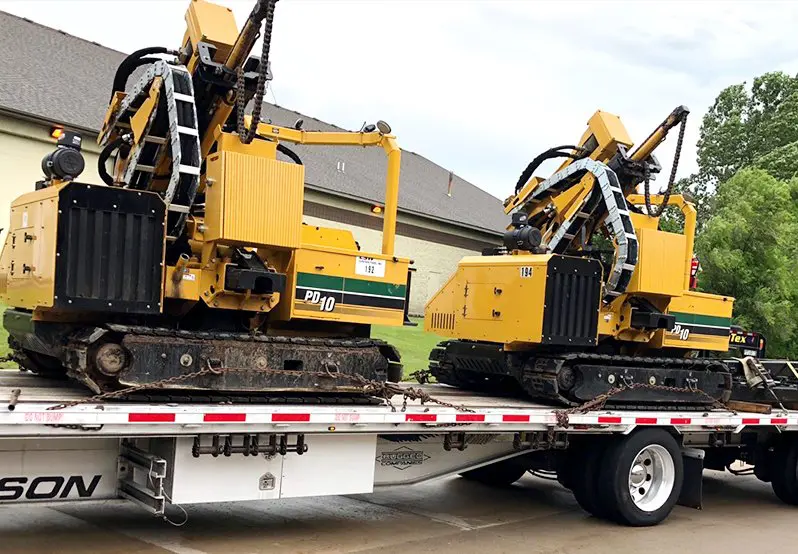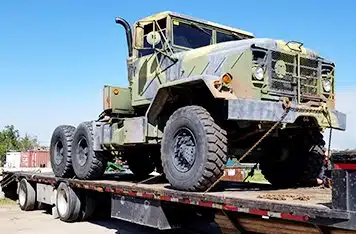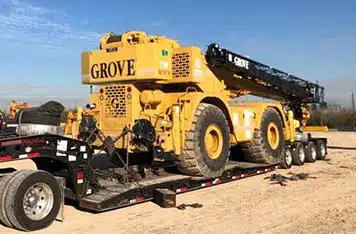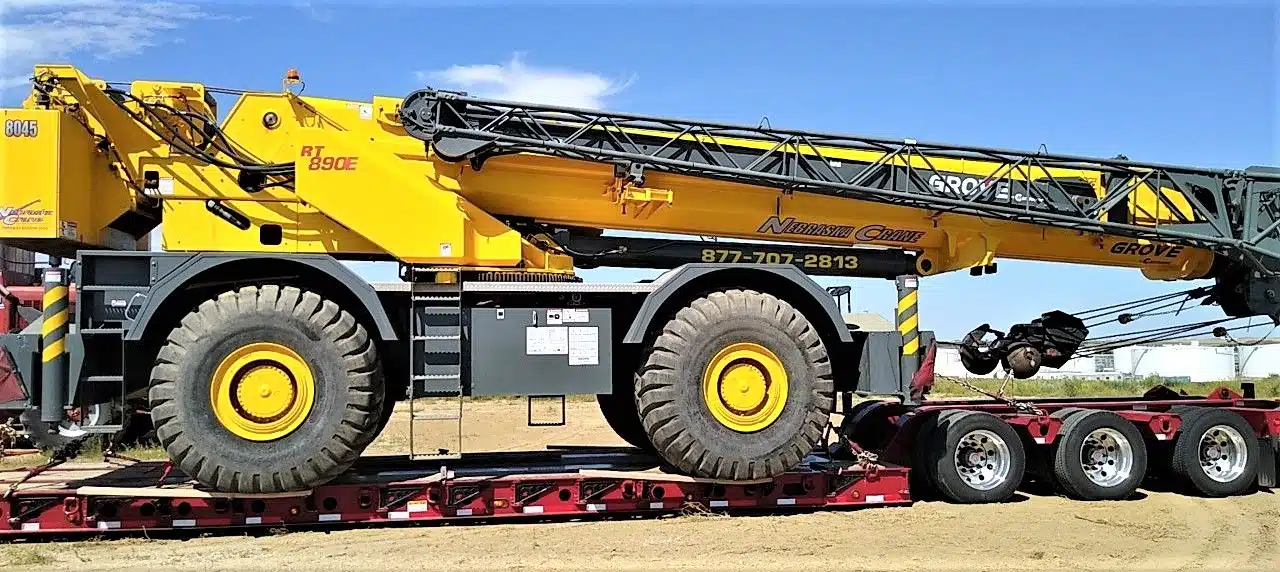






















Heavy Haul Trucking From Utah to Georgia is a long and arduous journey, filled with unique challenges and weather conditions. It takes an experienced trucker to handle the roads, and the load, to deliver on time and safely. In this article, we will explore the highways a trucker might take, the challenges that could be faced, the weather conditions that could be encountered, and any other special considerations.
Highways for Hauling from Utah to Georgia
The most direct route from Utah to Georgia is to take I-70 East from Utah, through Colorado, Kansas, Missouri, and Illinois, then I-64 East from Illinois to Kentucky and finally I-75 South from Kentucky to Georgia. This route is approximately 2,400 miles and takes around 39 hours of driving time. This route passes through some of the most active freight hubs in the country, such as Denver, Kansas City, St. Louis, and Nashville, which makes it an attractive option for truckers. However, this route may not always be the best choice for heavy haul truckers. The trip can be hard on the truck and the driver, with long stretches of highway and few places to rest. Therefore, some truckers may opt to take a more circuitous route, such as I-40 from Utah to Arkansas, and then I-20 from Arkansas to Georgia. This route is longer than the direct route, but it offers more stops for rest and has a more diverse landscape.Unique Challenges
Truckers who are hauling heavy loads from Utah to Georgia may face several unique challenges. One of the biggest challenges is the terrain. The route from Utah to Georgia passes through some of the most rugged terrain in the country, with steep mountain passes and long stretches of desert. This can be difficult to navigate, especially when hauling a heavy load. There may also be road closures due to weather or construction, which can delay a driver’s journey. Another challenge that may be encountered is the sheer size of the load. Heavy haul truckers are often hauling oversized loads that require special permits and must be escorted by a law enforcement vehicle. This can add to the cost of the trip and may require additional planning and paperwork. Furthermore, there are certain regulations that must be followed when hauling from Utah to Georgia. Drivers must be familiar with the regulations in each state they travel through and must make sure they have the necessary permits.Weather Considerations
When hauling from Utah to Georgia, truckers must consider the weather conditions. The route passes through several different climates, from the desert of Utah to the humid subtropical climate of Georgia. This means that a driver may encounter a range of weather conditions, from snow and ice in the winter to intense heat in the summer. Drivers must make sure their vehicles are prepared for these conditions and that they have the necessary safety equipment on board. Truckers must also be aware of the potential for severe weather along the trip. Drivers may encounter thunderstorms and tornadoes in some of the states they travel through, so they should be prepared for these events and know what to do to remain safe.Other Considerations
When hauling from Utah to Georgia, there are several other considerations for drivers to keep in mind. For example, fuel costs can be high due to the length of the trip. Drivers should plan their route carefully to minimize fuel costs. Also, truckers must be aware of the laws and regulations in each state they pass through, such as laws regarding the maximum speed limit or the number of hours a driver may be on the road. Finally, truckers should also consider the importance of rest. Long hauls can be exhausting, and it is important for truckers to get enough rest in order to stay safe and alert on the road. Drivers should plan their route carefully to ensure they have plenty of time for rest stops. Heavy Haul Trucking From Utah to Georgia is a long and challenging journey, but with the right planning and preparation, it can be a successful and rewarding experience. By taking into consideration the highways a trucker might use, the unique challenges that might be faced, the various weather conditions that might be encountered, and any other special considerations, truckers can ensure that their journey is safe and successful.Shipping heavy equipment across state lines? Freedom Heavy Haul handles permits, compliance, and safe delivery for interstate equipment transport.
For comprehensive heavy haul services in Georgia, visit our Georgia equipment transport services page to get a free quote and learn about state-specific regulations, permits, and route planning.