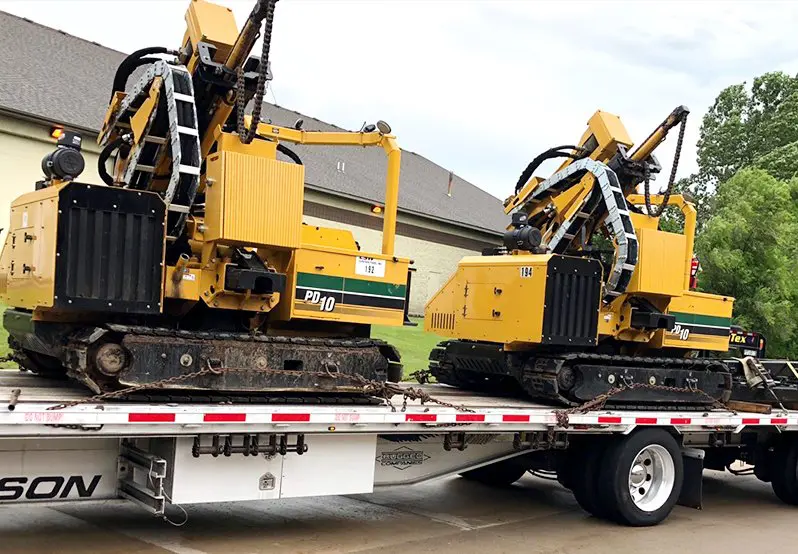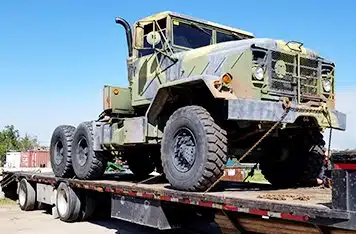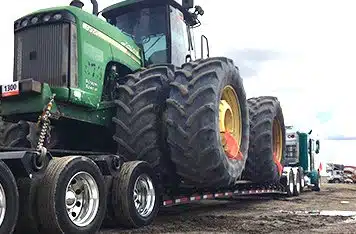






















Highways for Heavy Haul Trucks
When hauling a heavy load from South Carolina to New York, there are several major highways that can be used. The most popular route is along Interstate 95, which runs up the east coast of the United States. This route follows the coastline and provides relatively easy access to major cities along the way, including Washington D.C., Baltimore, Philadelphia, and New York City. Another option is to take Interstate 40, which cuts through the center of the country, connecting South Carolina to New York while bypassing several of the larger cities along the east coast. The route chosen will depend on the type of load being hauled, the time frame, and the desired destination. For example, if the delivery needs to be made quickly, then the Interstate 95 route may be the best option, as it offers the most direct route. However, if the load is too large to fit on the Interstate 95 route, then Interstate 40 may be the better option, as it offers more flexibility and a wider range of roads to choose from.Unique Challenges for Heavy Haul Trucking
Heavy haul trucking presents a variety of unique challenges for truckers. One of the primary challenges is the sheer size and weight of the load. Many roads are not built to handle the weight of a heavy haul truck, and even those that are may have restrictions on the weight of a vehicle. As such, it is important for truckers to be aware of the weight restrictions of each road they travel on and to take necessary precautions to ensure their load does not exceed the limit. Another challenge is navigating the different states and jurisdictions that may be encountered while hauling a load from South Carolina to New York. Each state has its own set of laws and regulations that must be followed. It is important for truckers to be aware of these laws and to plan their routes accordingly.Weather Conditions for Heavy Haul Trucking
When shipping from South Carolina to New York, truckers must be prepared for a variety of weather conditions. The east coast of the United States is particularly prone to severe weather, including hurricanes, heavy rain, snow, and ice. It is important for truckers to be aware of the weather conditions in each state they are travelling through and to adjust their routes accordingly. Severe weather can make driving difficult for heavy haul trucks, especially on roads that are not designed for large vehicles. Truckers should be aware of the conditions of the roads they are travelling on and take necessary precautions to ensure their safety. For example, they should be aware of the speed limits on each road and adjust their speed accordingly.Special Considerations for Heavy Haul Trucking
When hauling a heavy load from South Carolina to New York, there are a few special considerations that must be taken into account. One of these is the need for extra fuel. Heavy haul trucks consume more fuel than regular vehicles, so it is important for truckers to plan their routes accordingly and to ensure they have enough fuel to make the entire journey. Another consideration is the need for specialized equipment. Depending on the type of load being hauled, it may be necessary to use specialized equipment such as winches and straps. It is important for truckers to be aware of the requirements of their load and to ensure they have the necessary equipment to safely transport it. Finally, it is important for truckers to be aware of the laws and regulations of each state they are travelling through. This includes laws related to load limits, the use of specialized equipment, and the hours of service that truckers must adhere to. By being aware of these laws and regulations, truckers can ensure that their load is transported safely and legally.Shipping heavy equipment across state lines? Freedom Heavy Haul handles permits, compliance, and safe delivery for interstate equipment transport.
For comprehensive heavy haul services in New York, visit our New York equipment transport services page to get a free quote and learn about state-specific regulations, permits, and route planning.