Touseef Shaikh
29 May , 2026
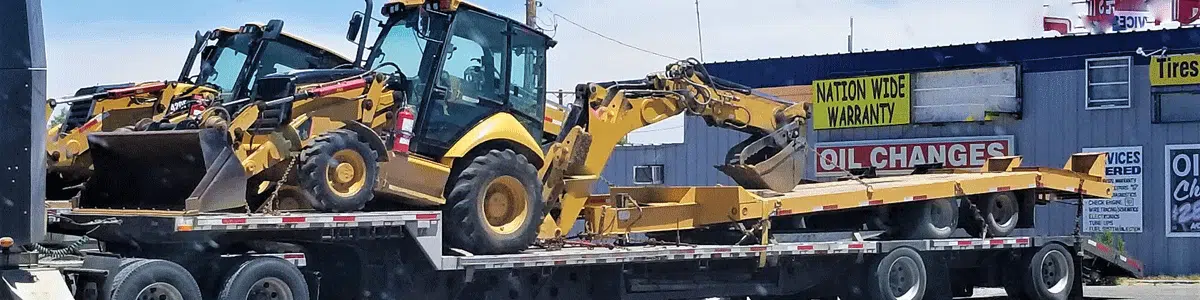
Heavy haul transport for construction site equipment and machinery is not just about moving machines from one location to another. It is about keeping construction work moving without unnecessary delays, damage, or site confusion. An excavator may be needed before digging begins. A bulldozer may be required before grading can continue. A crane may need …
Continue reading "Heavy Haul Transport for Construction Site Equipment and Machinery"
Read More
Touseef Shaikh
29 May , 2026
Excavators are moved between construction sites by matching the machine’s size, weight, attachment position, trailer type, loading method, route, and delivery access. An excavator may look like one familiar piece of construction equipment, but its tracks, boom, stick, bucket, counterweight, and upper structure all affect how it should travel. A short move from one site …
Continue reading "How Excavators Are Moved Between Construction Sites"
Read More
Touseef Shaikh
29 May , 2026
Cranes are delivered to construction sites through careful sequencing, route planning, component handling, and site coordination. A crane is not always delivered as one complete machine. Depending on the crane type and project size, the delivery may include the carrier body, boom sections, jib sections, counterweights, mats, rigging, support trucks, and other components that need …
Continue reading "How Cranes Are Delivered to Construction Sites"
Read More
Touseef Shaikh
29 May , 2026
Bulldozers are transported for grading projects by preparing the blade, protecting the undercarriage, choosing a trailer with the right deck height, and delivering the machine when the site is ready for earthmoving work. A dozer may look like one of the toughest machines on a construction site, but transport still needs care because its tracks, …
Continue reading "How Bulldozers Are Transported for Grading Projects"
Read More
Touseef Shaikh
29 May , 2026
Compactors and rollers are moved safely by controlling weight, drum contact, loading angle, trailer placement, securement, and delivery access. These machines may not look as tall or complex as cranes, excavators, or telehandlers, but they can be dense, heavy for their size, and sensitive to poor loading surfaces. A roller’s job is to press force …
Continue reading "How Compactors and Rollers Are Moved Safely"
Read More
Touseef Shaikh
29 May , 2026
Telehandlers are prepared for heavy haul transport by controlling the boom, forks, tires, weight balance, trailer position, and delivery access before the machine is loaded. A telehandler may look easier to move than a crane or excavator, but its boom, reach, frame height, steering style, and attachments can create transport details that should be checked …
Continue reading "How Telehandlers Are Prepared for Heavy Haul Transport"
Read More
Touseef Shaikh
29 May , 2026
Trenchers and utility machines are transported by matching the equipment’s size, ground-contact design, attachment setup, trailer type, and delivery access to the job site where the machine will be used. These machines may be smaller than excavators or cranes, but they often work in tighter spaces, closer to roads, utilities, sidewalks, trenches, and active crews. …
Continue reading "How Trenchers and Utility Machines Are Transported"
Read More
Touseef Shaikh
29 May , 2026
Concrete equipment is moved by heavy haul carriers with timing, site access, trailer selection, and unloading needs planned around the construction phase it supports. A concrete pump, curb machine, screed, mixer-related unit, batching component, or paving support machine may not always be the largest piece of equipment on a job site, but it often arrives …
Continue reading "How Concrete Equipment Is Moved by Heavy Haul Carriers"
Read More
Touseef Shaikh
29 May , 2026
Construction attachments are transported with machinery when the attachment can travel safely without creating extra height, width, balance, loading, or securement problems. A bucket, blade, fork, breaker, grapple, ripper, auger, broom, compactor wheel, or boom section may look like a secondary part of the machine, but during transport it can change the entire move. An …
Continue reading "How Construction Attachments Are Transported With Machinery"
Read More
Touseef Shaikh
29 May , 2026
Heavy haul delivery timing affects construction projects because equipment is usually needed for a specific phase of work, not just for general site use. An excavator may be needed before trenching starts. A bulldozer may need to arrive before grading can continue. A crane may depend on a lift window. A roller may be needed …
Continue reading "How Heavy Haul Delivery Timing Affects Construction Projects"
Read More